Strategies for Negotiating with Vietnamese Coffee Suppliers
Dec
In our previous analysis of wholesale coffee beans pricing models, we armed you with the financial formulas necessary to understand the cost structure of green coffee. We deconstructed the relationship between the London Futures (C-Market) and the Differential (Basis). You now know what the price should be.
But knowing the price and securing the deal are two different disciplines.
Negotiation is the bridge between financial theory and commercial reality. In the context of Vietnam—the world’s largest Robusta producer—negotiation is not merely a transactional haggling over cents per pound. It is a complex cultural and strategic dance involving timing, logistics, payment terms, and risk allocation.
For the international buyer, negotiating with Vietnamese coffee suppliers effectively is the difference between a partnership that survives market volatility and a contract that defaults at the first sign of a price spike. This guide is your expert manual for sitting at the table (virtual or physical) with Vietnamese exporters. We will explore the cultural nuances of “relationship-first” business, the tactical levers of payment terms, and how to structure a deal that protects your supply chain while respecting the supplier’s margins.
The Cultural Context: Relationship Before Contract
The first mistake Western buyers make when negotiating with Vietnamese coffee suppliers is treating the interaction as purely transactional. In Vietnam, business is personal. The concept of Uy Tín (Prestige/Trust) is paramount.
The “Coffee Table” Diplomacy
Before you talk about price, you must talk about life. A supplier like Halio Coffee Co., Ltd in Dak Lak is not just selling a commodity; they are selling the fruit of their community’s labor.
- The Strategy: Invest time in the “warm-up.” If visiting in person, accept the invitation for tea or dinner. If negotiating remotely, start calls by asking about the harvest season, the weather in the Central Highlands, or their family.
- The Payoff: When the market turns against you (e.g., a sudden price spike), a supplier will prioritize the buyer they know and respect over the buyer who simply sent the highest bid via email.
The Hierarchy of Decision Making
Vietnamese companies often have a distinct hierarchy.
- The Sales Rep: Often has limited authority on price.
- The Director (Giám đốc): The ultimate decision-maker.
- The Tactic: Do not push a sales representative too hard; they cannot say “yes” to a deep discount without losing face. Instead, frame your request as a proposal for them to present to their Director.
The Tactical Levers: Beyond the FOB Price
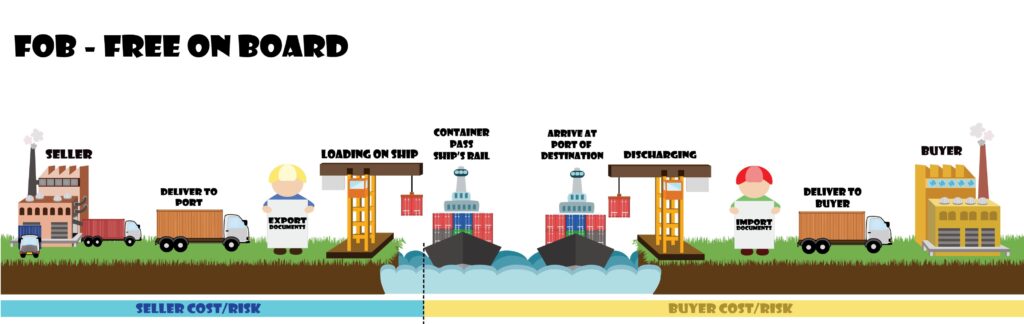
Amateur buyers fixate on the FOB (Free On Board) price. Professional buyers negotiate the total value package. When negotiating with Vietnamese coffee suppliers, you have multiple levers to pull that can lower your landed cost without forcing the supplier to cut their margin (which usually leads to quality fading).
1. Payment Terms (The Cash Flow Lever)
Vietnam is a capital-intensive origin. Farmers demand immediate cash (VND) at the farm gate. Exporters are often cash-strapped.
- The Standard: CAD (Cash Against Documents) or LC (Letter of Credit).
- The Negotiation: Offer a “Pre-Finance” or Deposit (e.g., 20-30%) in exchange for a lower price.
- Why it works: By providing working capital, you save the supplier from high local interest rates (often 8-10%). They can pass these savings on to you.
- Risk: Only do this with trusted partners like Halio Coffee who have physical assets.
2. The “Net Shipped” vs. “Net Landed” Weight
Green coffee loses moisture during transit (approx. 0.5% – 1.0%). Who pays for that water loss?
- Net Shipped Weight: You pay for the weight at the Vietnam port. You absorb the loss.
- Net Landed Weight: You pay for the weight that arrives at your warehouse. The supplier absorbs the loss.
- The Trade: Suppliers prefer “Net Shipped.” If you agree to this, ask for a discount on the differential to compensate for the shrinkage.
3. Packaging Upgrades
Instead of fighting for $5/ton on the price, fight for better protection.
- The Ask: “I will accept your price of $3,100, provided you upgrade the packaging to GrainPro liners at no extra cost.”
- The Value: The liners cost the supplier ~$15/ton, but they save you thousands by preventing quality degradation and “baggy” flavors.
The Price Negotiation: Fixing the Differential
As established in our previous article, the price consists of Futures + Differential. When negotiating with Vietnamese coffee suppliers, you rarely debate the Futures price (that is the market). You debate the Differential.
Scenario: The Market is High (Seller’s Market)
When coffee is scarce (like the 2024 crop), differentials skyrocket.
- The Strategy: Do not try to lowball the differential. The supplier will simply sell to someone else.
- The Pivot: Focus on Volume Commitment. “I know the differential is high (+$400). I will pay it, but I want a Right of First Refusal on the next 5 containers at a $10 discount.”
Scenario: The Market is Low (Buyer’s Market)
When there is a bumper crop, differentials soften.
- The Strategy: Lock in long-term differentials now.
- The Pivot: “I will commit to 10 containers for the whole year at today’s low differential, provided you offer free warehousing in Vietnam for the first 30 days of each lot.”
Dealing with “Sample creep”: The Bait and Switch Risk
A common issue in negotiating with Vietnamese coffee suppliers is the discrepancy between the Offer Sample and the Arrival Coffee.
The “Type Sample” Negotiation
Never negotiate based on a generic description (“Grade 1”). Negotiate based on a Physical “Type” Sample.
- The Clause: “Quality to be final as per sealed Type Sample #123 held by [Third Party Inspector].”
- The Tactic: If the supplier argues that “Grade 1 allows 2% black beans,” but your sample had 0%, you can insist on the standard set by the sample.
The “Replacement” Protocol
Before signing, negotiate the remedy for bad quality.
- Weak Clause: “Supplier will reimburse…” (Good luck getting money back).
- Strong Clause: “Supplier agrees to replace non-conforming goods within 30 days at their own expense.” This puts the burden of logistics back on them.
Case Study: Constructive Negotiation with Halio Coffee Co., Ltd
How does this play out with a professional Vietnamese green coffee beans supplier like Halio Coffee Co., Ltd?
1. Transparency as a Tool: Halio operates openly at 193/26 Nguyen Van Cu, Tan Lap Ward, Dak Lak. A smart negotiator uses this.
- Buyer: “I see you are close to the farms. Instead of asking for a price cut, can we negotiate a ‘Farm-to-Roaster’ marketing package? I pay full price, but you provide me with photos and interviews with the specific farmers for my marketing.”
- Result: Halio creates value through content (which costs them time, not cash), and you get marketing assets that justify your retail price.
2. The “Processing” Trade: Since Halio specializes in “Proper Processing” (Honey/Washed), negotiate on the process, not just the bean.
- Buyer: “The price for Grade 1 Natural is tight. Can we look at your Honey Process? If I switch 50% of my volume to the higher-margin Honey coffee, can you give me a blended discount on the shipping logistics?”
- Result: You upgrade your product quality; Halio sells their value-added product. Win-Win.
Red Flags during Negotiation
Walk away if you hear these phrases when negotiating with Vietnamese coffee suppliers:
- 🚩 “I can beat the market price by $200”: No one beats the London terminal by that much unless they are selling trash or planning to default.
- 🚩 “We don’t need a contract, my word is gold”: In 2025, a contract is essential. If they refuse to sign a detailed Sales Contract (SC), they are not professional.
- 🚩 “Send money to my personal account”: Always remit to the corporate bank account listed on the official invoice. Personal account requests are often tax evasion or fraud.
The Strategic Leap: Owning the Brand
You have mastered the pricing models. You have successfully negotiated a contract that balances risk and reward. You have a reliable partner in Halio Coffee.
But as you look at your margins, you realize the next logical step. Why are you importing green beans, paying for expensive Western labor to roast them, and buying packaging in small batches?
The ultimate negotiation is not about the price of the bean; it is about the location of the value addition. What if you could negotiate for the supplier to do the roasting and packaging for you?
Read Next: Private label coffee manufacturing Vietnam
- The Germany Report: A Deep Dive into Vietnam Green Coffee Export Prices to Germany
- Robusta Natural Processed Coffee Beans: From Boldness to Nuance
- Coffee Prices Today, September 4: Prices Rebound Across the Board
- Coffee Prices Today, September 9: Strong Rebound on Global Exchanges
- The Architect of Supply: Selecting the Right Green Bean Company in 2026