Elevating Your Supply Chain with Expert After-Sales Support from Coffee Suppliers
Dec
In the meticulous world of green coffee procurement, the transfer of funds and the clearing of customs are often mistaken for the end of the transaction. You have mastered the technical hurdles: you verified the sample through the rigorous sample testing process with coffee suppliers, secured the long-term coffee supply contracts, and navigated the complex logistics.
However, the real test of a supplier’s commitment—and the defining characteristic of a truly strategic partnership—lies in what happens after the documents have cleared.
The willingness of a Vietnamese green coffee beans supplier to invest in your success once they have been paid is the ultimate measure of their professionalism and their belief in their product. This is the domain of after-sales support from coffee suppliers.
This support is far more than just handling a claim for a defective bag. It is a proactive, consultative process that protects the quality of the bean while it is in your custody, helps you maximize its profitability in your roaster, and solidifies the foundation of a multi-year agreement. This guide is your expert framework for defining, demanding, and leveraging world-class post-sales service from your Vietnamese partners.
Phase I: Post-Arrival Quality Defense
The primary goal of after-sales support from coffee suppliers immediately following shipment arrival is to help the buyer maintain the contracted quality. Green coffee is perishable, and its condition is highly dependent on environmental factors at the destination port.
1. The Warehouse Audit Consultation
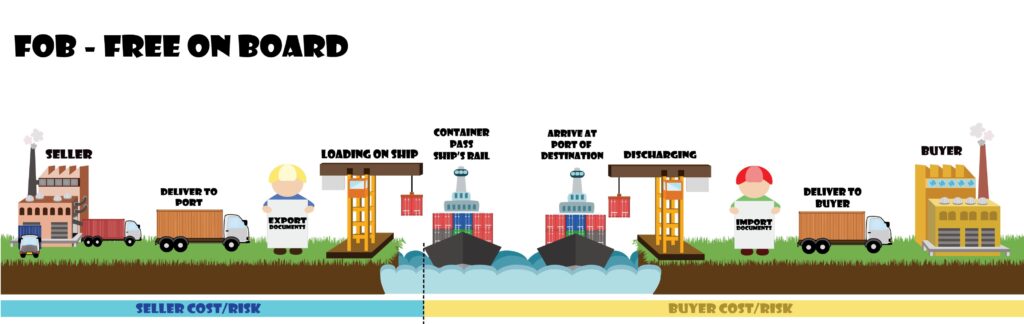
The supplier’s liability ends when the container is unloaded. Your liability begins. A strategic supplier helps you mitigate the risks you now face.
- The Problem: The top risk to green coffee in storage is humidity migration, leading to a spike in moisture content and the risk of Ochratoxin A (OTA) mold.
- The Support: A world-class Vietnamese green coffee beans supplier (like Halio Coffee Co., Ltd) should provide a Warehouse Audit Consultation Checklist. This document advises you on:
- Stacking Protocols: Never stack bags directly against concrete walls or the floor (moisture wicking).
- Airflow: Requirements for fans or dehumidifiers.
- Temperature: Recommended maximum storage temperature (ideally below 25∘C).
- Expert Insight: Demand a written advisory on Relative Humidity (RH) management for the specific lot type (e.g., Robusta vs. Arabica). Green coffee requires an RH between 50% and 60% to maintain its initial moisture level.
2. Ongoing Inventory Health Monitoring
For long-term coffee supply contracts where you receive monthly shipments, the supplier should maintain a health log for your stock.
- The Service: Providing a template for Inventory Health Checks. This involves logging random bag temperatures and moisture levels (via a handheld meter) periodically to flag lots that are “aging” too quickly.
- The Benefit: This allows you to prioritize roasting the “oldest” or most volatile lots first, minimizing waste and ensuring your brand consistency is maintained throughout the year.
Phase II: Technical Application and Optimization
The most valuable after-sales support from coffee suppliers is often found in the technical application—helping the buyer turn a raw material into a perfect finished product.
1. Roast Profile Calibration (The Yield Maximizer)
Your supplier knows the raw material better than anyone. They know its density, hardness, and thermal behavior.
- The Problem: Roasters often struggle to maximize the yield (minimize weight loss) and develop the flavor of a new origin (like Honey Robusta from Dak Lak) on their specific machine.
- The Support: The supplier’s QA team should offer Remote Profile Consultation.
- Action: You send the supplier (via email) your roaster model (e.g., Loring S35), your standard roast curve, and the final roast color (Agtron).
- The Return: The supplier provides specific, data-backed recommendations: “Reduce charge temperature by 3∘C,” or “Increase gas pressure at 180∘C to manage the ROR (Rate of Rise) due to the high density of this year’s crop.”
- The Value: This technical assistance drastically reduces the time and wasted coffee spent by your roastery staff trying to dial in the perfect profile.
2. Troubleshooting Yield and Defects
If you discover a quality issue mid-roast (e.g., excessive tipping, scorching, or an unexpectedly high amount of quakers/unripe beans), the supplier should be the first call.
- The Action: The supplier’s QA team analyzes the visual evidence (e.g., photos of the roasted defect) against the Sample Testing Process records.
- The Resolution: They determine if the fault is origin-based (supplier liability) or roast-based (buyer error). For example, Halio Coffee Co., Ltd should be able to instantly verify if the quaker count exceeds the expected threshold for their specialized lots. If the defect is on their side, they must proceed to Phase III (Claims). If the fault is on yours, they provide the technical advice to correct the roast curve.
Phase III: Claims and Dispute Resolution (The Contractual Safety Net)
While the goal of after-sales support from coffee suppliers is prevention, failures happen. This phase addresses the supplier’s legal and financial commitment to remediate faulty goods.
1. The Claims Protocol (Speed and Transparency)
The supplier must have a clear, documented procedure for handling claims.
- The Mechanism: Your contract, influenced by the previous Negotiating with Vietnamese coffee suppliers stage, should stipulate a specific claim window (e.g., 30 days from arrival).
- The Process: The supplier should require you to provide specific evidence:
- Evidence: Photos of the defective lot/bag.
- Documentation: The Third-Party Inspection report proving the defect.
- Reference: The specific Lot Number and Contract Number.
- The Timeframe: The supplier must commit to an initial response/investigation within 48 hours and a final resolution (offer of discount or replacement) within 10 business days.
2. Dispute Resolution and Liability Transfer
- The Principle: The supplier’s liability must extend to the point of acceptance at your port, not just the port of loading.
- The Liability: If the claim is validated (e.g., excess foreign matter), the supplier must cover:
- The Value of the Defective Goods.
- The Cost of Sorting/Repacking (if feasible).
- The Cost of Disposal/Destruction (if necessary, for severe safety breaches like high OTA).
3. The Discount Matrix (Pre-Negotiated Remedies)
The most sophisticated form of after-sales support from coffee suppliers is the pre-negotiated discount matrix.
- The Clause: Instead of arguing over the value of a claim, the contract includes a penalty schedule (based on the Vietnam coffee grading system (e.g., TCVN 4193:2014)):
- Moisture 13.0%: 1.0% discount on that lot’s value.
- Black Beans 3.0% (Contract limit 2.0%): 2.5% discount on that lot’s value.
- The Benefit: This turns an emotional dispute into a quick calculation, preserving the partnership.
The Strategic Partnership: Case Study Halio Coffee Co., Ltd
For a Vietnamese green coffee beans supplier to provide genuine after-sales support from coffee suppliers, they must be vertically integrated. A simple trader cannot offer technical support; they only pass on claims to a third-party mill.
1. Internal QA Structure
A company like Halio Coffee Co., Ltd (located in the heart of the Central Highlands at 193/26 Nguyen Van Cu, Tan Lap Ward, Dak Lak) operates its own processing facility. This means their QA team:
- Understands the Root Cause: They know exactly what was happening at the drying patio when your specific lot was processed. They can trace a moisture spike to a specific date of rainfall.
- Controls the Remedy: If a lot needs re-sorting, they can pull it back into their own mill and re-run it through the color sorter without incurring third-party fees, making the remedy faster and cheaper.
2. Proactive Communication
Halio’s direct relationships with farmers allow them to offer superior after-sales support from coffee suppliers.
- The Service: They can send technical staff (agronomists or QA specialists) to their partner farms to implement corrective actions before the next harvest, thus improving the quality of your next contracted lot. This is the definition of systemic improvement.
The Buyer’s Support Audit Checklist
When vetting a supplier, use this checklist to gauge their commitment to post-sales success:
| Support Dimension | Requirement | Red Flag |
| Technical | Provides roast curve consultation for major machine types. | Requires buyer to find the profile independently. |
| Claims | Maximum response time (48 hours) defined in contract. | Claim response is “Wait until the next shipment is ready.” |
| Quality Defense | Provides a written Storage Advisory checklist. | No guidance provided; assumes buyer knows best. |
| Resolution | Discount Matrix is included in the contract. | Resolution is “We will send a replacement sample next year.” |
| Systemic | Commits to using data from a rejected lot to improve the next harvest’s protocols. | Does not acknowledge or record the failure internally. |
Strategic Conclusion: The Long-Term Vision
After-sales support from coffee suppliers is the final, essential layer of risk mitigation. It ensures that the value created during the procurement process is preserved all the way to the customer’s cup.
You have secured your supply chain by:
- Defining Quality: Setting TCVN standards.
- Securing Finance: Structuring long-term coffee supply contracts.
- Verifying Goods: Executing the sample testing process.
Now, you have secured the partnership through mutual commitment and support. The final level of commitment in the coffee value chain is transcending the mere buyer-supplier dynamic. It involves moving beyond the contract and investing directly in the source of your competitive advantage—the land and the people who grow the coffee.
The most resilient supply chains are not built with legal documents; they are built with shared capital and shared trust. This requires moving from being a mere customer to being a direct supporter of the community.
Read Next: Building relationships with coffee farmers
- Mastering the Sample Testing Process with Coffee Suppliers
- Coffee Prices Today September 13: Arabica Hits 4-Month High, Robusta Extends Rally
- Specialty Arabica Coffee Vietnam: Elevating Quality in Global Coffee Trade
- The Strategic Leap: A Consultant’s Guide to Sourcing Wholesale Green Coffee Beans
- Coffee Prices Today, September 26: Arabica Extends Gains, Robusta Turns Lower