Defining and Vetting Green Coffee Bean Suppliers
Dec
In our comprehensive analysis of the coffee trade ecosystem, we dissected the complex landscape of green coffee bean sellers, distinguishing between origin manufacturers, financial hedging houses, and last-mile distributors. We established that while all these entities sell coffee, only one operates as a true strategic ally: the green coffee bean suppliers.
The term “green coffee bean suppliers” implies a commitment far deeper than a single transaction. It signifies a long-term partnership rooted in shared risk, transparent reporting, and dedicated quality control from the farm gate to the shipping container. The supplier is the single point of accountability for your quality, safety, and supply chain resilience.
For the professional buyer, moving from transient sellers to dedicated green coffee bean suppliers is the ultimate act of de-risking the business. This guide provides the definitive, expert framework for identifying, vetting, and collaborating with world-class partners—particularly in critical origins like Vietnam—to secure your volume, stabilize your pricing, and future-proof your product portfolio.
The Strategic Shift: Defining the Modern Green Coffee Bean Supplier
What differentiates a green coffee bean suppliers from a mere trader or broker? It is the acceptance of systemic responsibility.
1. Control Over the Asset
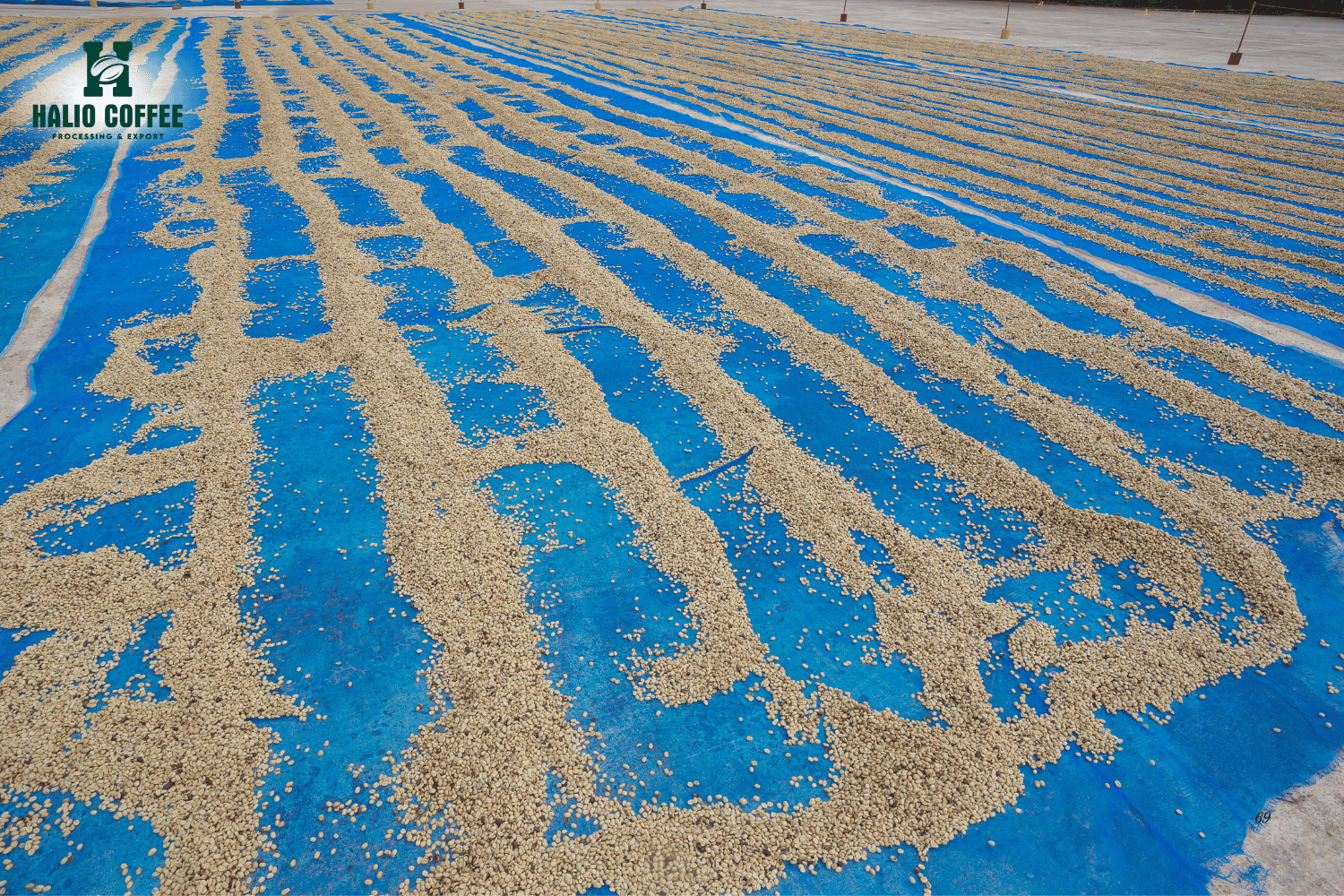
A true supplier controls the physical asset, managing it through the most critical stages: drying, milling, and storage. They are manufacturers or operate with direct oversight over the manufacturing process.
- Trader: Buys a pre-milled lot (a finished product). They are simply a reseller.
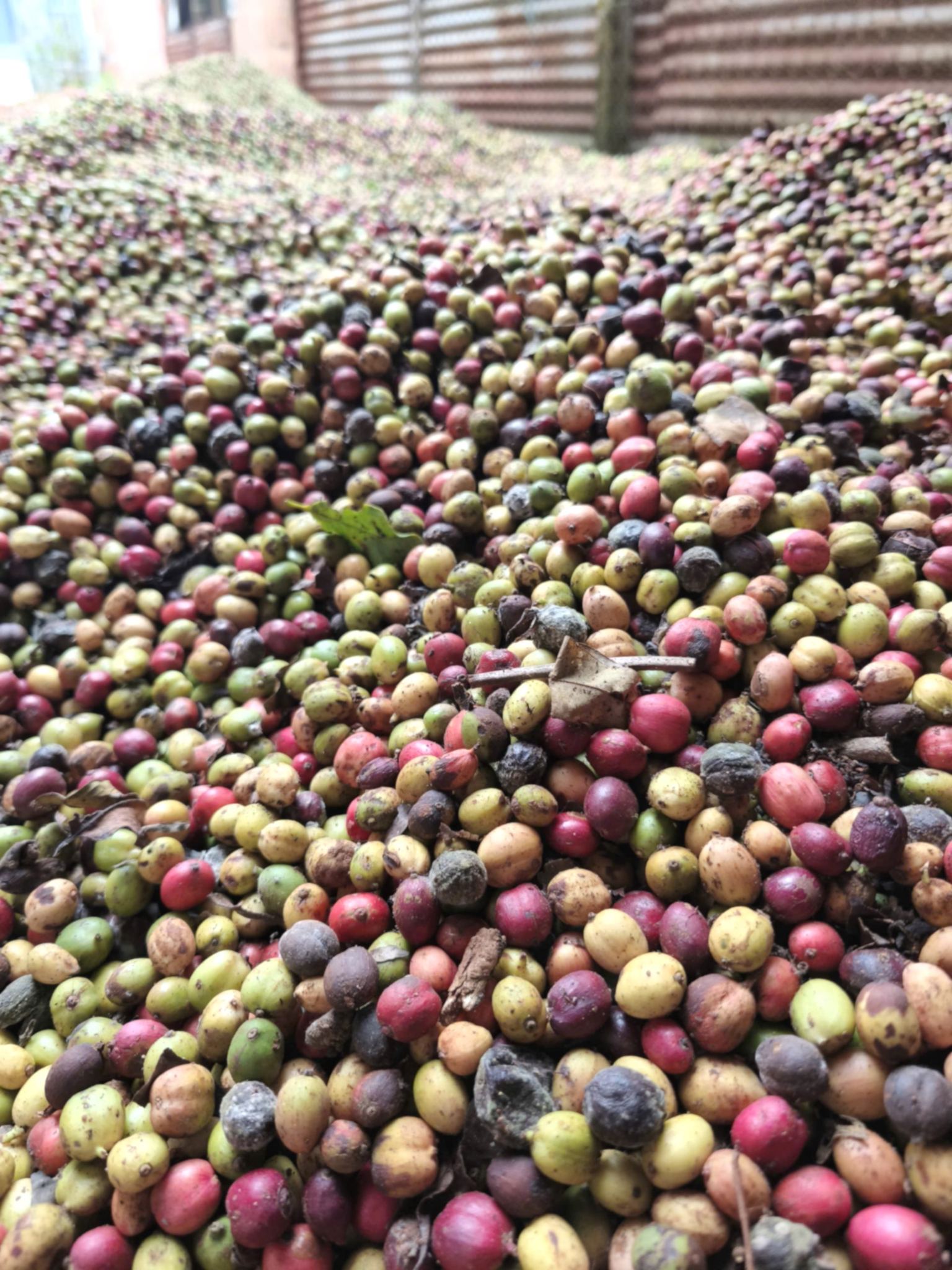
- Supplier: Buys the raw cherry or parchment from the farmer. They control the drying time, the sorting specifications, and the storage conditions. They manufacture the bean to your specification.
2. Risk Management Integration
A seller might offer a good price. A green coffee bean suppliers offers risk mitigation.
- Seller: Hides the price breakdown.
- Supplier: Offers transparent pricing (Farm Gate Price + Differential), enabling the buyer to participate in price risk management (e.g., PTBF contracts). They absorb local currency and political risk.
3. Long-Term Commitment
- Seller: Focused on the immediate sale (spot transaction).
- Supplier: Focused on the harvest cycle. They budget for your volume annually and allocate farm resources based on your forecast, as detailed in our guide on Annual planning with your coffee supplier.
Pillar 1: Operational Competence and Traceability
The first requirement of world-class green coffee bean suppliers is the ability to provide verifiable, physical proof of competence and origin.
1. Vertical Integration as Proof of Control
Look for suppliers who are vertically integrated—meaning they operate facilities close to the farming community.
- Example: A supplier with a milling facility in Dak Lak, Vietnam, can guarantee that the
Robusta Wet Polishedyou buy was immediately processed, minimizing transport time and preserving freshness. A supplier operating only from a commercial office in Ho Chi Minh City cannot. - The Audit: The supplier must be able to link your specific container (e.g., Lot #429) back to the specific farmer cluster and drying time. This traceability is the foundation of their value.
2. Documentation Beyond Compliance
A quality supplier provides the full document set proactively. This includes more than just the mandatory paperwork:
- The Mandatory: Commercial Invoice, Bill of Lading, Certificate of Origin (Form EUR.1/E), and Phytosanitary Certificate.
- The Value-Added:
- Quality Certificate: A final grading report based on the specific sample (PSS) you approved.
- Internal QC Logs: Copies of the supplier’s internal moisture logs or color sorting analysis for the lot.
- Insurance Documentation: Proof of insurance covering the coffee while it was held in their warehouse (protecting your forward contract).
3. Storage and Asset Management
Green coffee is perishable. The supplier must treat it as a sensitive food product.
- The Check: Ask about their long-term storage strategy. Do they use GrainPro or Ecotact liners? Do they store coffee in parchment and hull it just before shipment (Just-in-Time milling) to preserve freshness? The answer to this question differentiates a keeper from a transient seller.
- Visual Verification: A high-quality supplier will send geotagged, time-stamped photos of your contracted lot being stored on pallets, away from walls and ground contact .
Pillar 2: Strategic Engagement and Risk Mitigation
A strategic green coffee bean suppliers is defined by their willingness to enter into risk-sharing agreements.
1. Pricing Strategy Alignment
The supplier should offer tailored pricing models that align with your risk appetite, moving beyond simple spot pricing.
- The Professional Contract: A supplier facilitates Differential Contracts (PTBF), locking in the quality premium for the year while allowing you to hedge the C-Market price when it is most favorable.
- The Anti-Fragile Price: In a multi-year contract, the supplier should agree to a “re-opener” clause that allows both parties to revisit the Differential if global circumstances fundamentally change (e.g., a massive currency devaluation or an unexpected regulatory cost).
2. Quality and Claim Resolution
A supplier assumes liability for the quality until the coffee arrives at your port.
- The Contractual Shield: The supplier must agree to specific remedial actions for quality failure: replacement, re-sorting, or a pre-agreed discount matrix for minor flaws (e.g., $100/MT discount for every 0.1% increase in Black Beans above the specification).
- The PSS Protocol: The supplier must respect the integrity of the Pre-Shipment Sample (PSS)—the sample you approve that represents the quality of the entire container. They should be willing to have this sample drawn and sealed by an independent third-party inspector (SGS/CafeControl).
3. Sustainability and Certification Support
In today’s market, green coffee bean suppliers must act as sustainability managers.
- The Role: They must possess the certifications you require (e.g., Rainforest Alliance, Fair Trade, Organic) and manage the complex audits for their entire farming network.
- The EUDR Imperative: A supplier exporting to Europe must provide the necessary geolocation data and verifiable non-deforestation reports (proof that the coffee was not grown on land deforested after 2020) to ensure compliance with the latest regulations.
The Buyer’s Supplier Vetting Index
Use this index to audit a potential supplier’s capability and commitment:
| Audit Area | Transactional Seller (Red Flag) | Strategic Supplier (Green Flag) |
| Inventory | Sells coffee that landed 12 months ago; has no stock report. | Provides Monthly Aging Reports and reserves stock in GrainPro. |
| QC System | Uses visual inspection; no certifications; cannot provide mill data. | ISO 22000/HACCP certified; provides color sorter and defect count logs. |
| Pricing | Only offers Fixed Price or refuses to discuss the Differential. | Offers PTBF and shares a realistic breakdown of the Farm Gate Price. |
| Logistics | Refuses to pay for PSS shipping; uses Form B (Non-Preferential C/O). | Pays for PSS shipping; provides Form EUR.1 (0% duty) and manages customs risk. |
| Relationship | Refuses farm visits; communication is only via email. | Invites buyers to the Dak Lak processing facility; communication is proactive (weekly market reports). |
Conclusion: The Bridge to Specialty
The term “green coffee bean suppliers” is the definitive label for the partner who builds your business. They are the strategic, controlling entity that ensures your supply chain is stable, safe, and transparent. By choosing a partner who owns their process and is committed to long-term collaboration, you transform procurement from a reactive cost center into a proactive profit driver.
We have now traveled the entire supply chain, moving from the macro market to the micro-level of supplier choice. We have defined what excellence looks like in sourcing.
The final and most rewarding phase of this journey is defining the specific, highest-value product you will secure from these world-class suppliers. This is the realm of unique genetics, specialized processing, and nuanced flavor profiles that command the highest market premiums. This is the world of specialty green coffee beans.
- Analyzing Raw Coffee Beans for Sale in a Divergent Market
- A 2026 Strategic Guide to Sourcing Green Espresso Beans
- Optimizing Your Cafe Green Bean Portfolio in 2026
- A 2026 Strategic Guide to Sourcing Raw Coffee Beans for Roasting
- Deconstructing the Green Coffee Price: A Buyer’s Guide to Sourcing Costs