Identifying and Vetting Raw Coffee Beans Suppliers
Dec
The success of any coffee business—from the boutique roastery to the multinational brand—rests entirely on the quality and consistency of its raw material. The sourcing process for raw coffee beans suppliers is the most critical strategic function, dictating everything from flavor profile and price stability to ethical compliance and supply chain resilience.
While some consumers engage in home roasting using micro-lots, the professional B2B landscape requires scalable, certified, and traceable supply. The choice of supplier is not a mere transaction; it is a long-term partnership that requires deep due diligence into their operational competence, risk management protocols, and commitment to origin transparency.
This expert guide provides a definitive framework for navigating the complex market of raw coffee beans suppliers. We will dissect the different types of suppliers, analyze the specific value chain controls they must possess, and offer a strategic checklist for vetting your next partner, particularly in high-volume, dynamic origins like Vietnam.
The Landscape of Raw Coffee Beans Suppliers: From Farm to Port
The term raw coffee beans suppliers encompasses a spectrum of entities, each occupying a specific role in the supply chain and presenting a different risk profile to the buyer. Distinguishing between them is the first act of procurement intelligence.
Category 1: The Origin-Based Processor (Manufacturer/Exporter)
These suppliers are the most strategic partners as they control the transformation of the cherry into the green bean.
- Role: Owns or directly manages the dry mill, sorting equipment (optical sorters, density tables), and export logistics.
- Value: Maximum Quality Control and Traceability. They can customize specifications (e.g., screen size, polishing) and provide granular reports on processing.
- Risk Profile: Low. They control the source of potential defects (moisture, foreign matter).
- Example: A vertically integrated supplier like Halio Coffee Co., Ltd in Dak Lak, Vietnam, who manages the process from cherry intake to container stuffing.
Category 2: The Intermediary Importer (Distributor)
These raw coffee beans suppliers operate in the consuming country (e.g., USA, Germany).
- Role: Purchases full containers from origin exporters, handles ocean freight and customs, and warehouses the stock in consuming ports.
- Value: Spot Availability and Break-Bulk. They allow small-to-medium roasters to purchase immediate, pallet-sized quantities, mitigating long lead times and international shipping complexities.
- Risk Profile: Medium. They add a significant cost premium (30-50% over the FOB price) and introduce inventory aging risk (the coffee fades while sitting in the warehouse).
Category 3: The Financial Trader (Broker/Hedging House)
These are the large commodity houses focused primarily on risk and finance.
- Role: Facilitates large-scale forward contracts (PTBF) and manages financial risk (hedging on the ICE Futures exchange). They often do not see or touch the physical product.
- Value: Price Stabilization and Liquidity. Essential for multinational corporations needing to lock in prices years in advance.
- Risk Profile: High for quality. Their focus is financial arbitrage, not sensory quality. Quality control must be guaranteed by the underlying contract with the origin processor.
Operational Excellence: The Four Pillars of Supplier Vetting
For any raw coffee beans suppliers to be deemed reliable, they must meet strict standards across four dimensions. These standards move beyond mere documentation to verify operational integrity.
Pillar 1: Quality Management System (Proactive Safety)
A modern supplier must prove they prevent defects, not just fix them.
- Required Standard: ISO 22000/HACCP Certification.
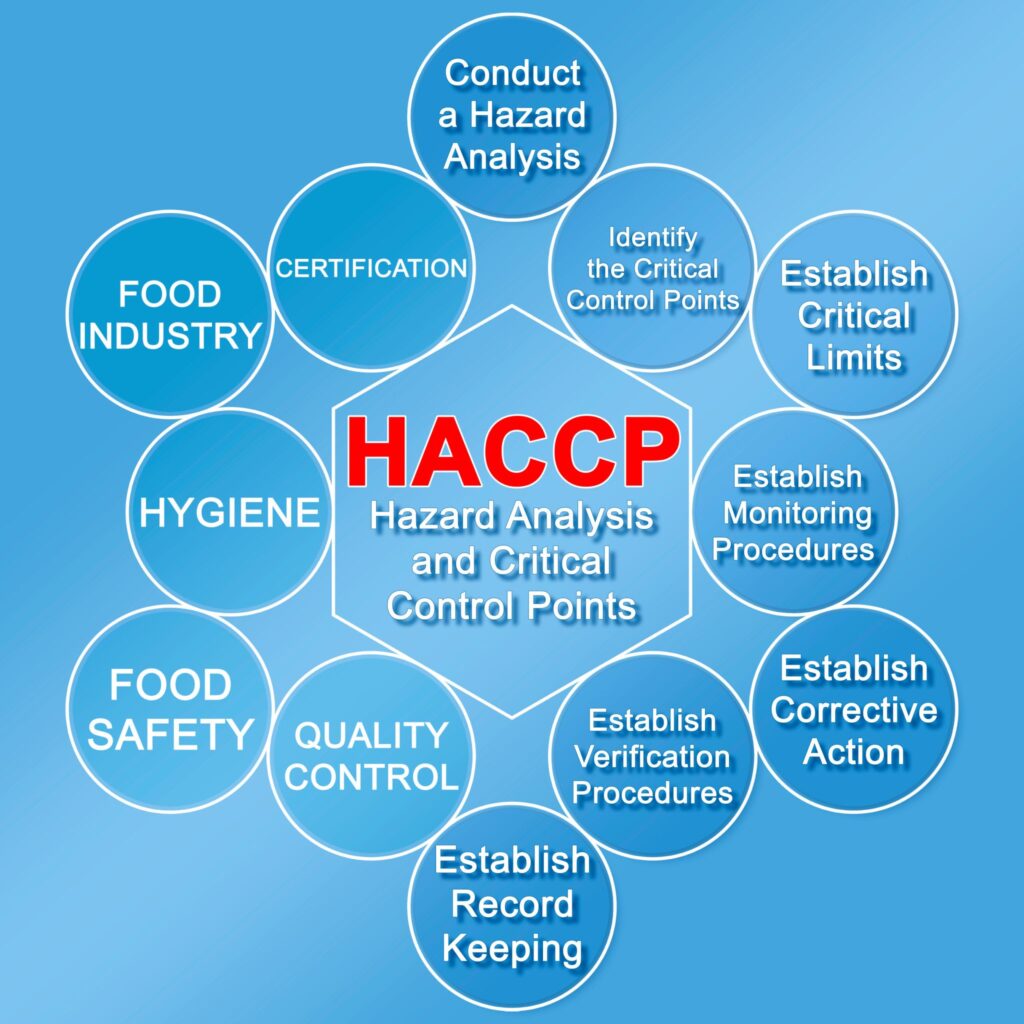
This certification proves they have a documented Food Safety Management System (FSMS) in place, preventing biological hazards (Ochratoxin A/OTA) and physical contamination.
- Audit Check: Demand documentation showing their Pest Control Logs and their Metal Detection Records. The simple presence of a certificate is not enough; the system must be active.
Pillar 2: Physical Grading and Specification
The supplier’s ability to adhere to precise, quantifiable specifications defines their quality level.
- Defect Control: For high-volume Robusta, the supplier must guarantee adherence to the Grade 1 standard (e.g., TCVN 4193:2014 in Vietnam), which mandates extremely low tolerances for foreign matter and black/broken beans.
- Moisture Stability: The critical range is 10.0% to 12.5%. Suppliers must provide moisture meter calibration logs to prove their readings are accurate, preventing mold and degradation during ocean transit.
- Value-Added Processing: A premier supplier offers specialized processes (e.g., Honey Processed, Wet Polished) that require advanced technical control, proving superior expertise.
Pillar 3: Transparency and Traceability (Regulatory Defense)
Transparency is the antidote to supply chain risk. A reliable supplier provides verifiable data beyond the shipping documents.
- Farm Gate Linkage: Suppliers must demonstrate a traceable path from the final export lot back to the specific farmer or cooperative. This is the foundation of the “Loyalty Premium” paid to farmers.
- EUDR Compliance: For European markets, the supplier must provide Geolocation Coordinates of the farming area and verifiable proof of non-deforestation status. This is no longer optional; it is a legal defense for the importer.
- Reporting Cadence: A strategic supplier provides proactive Weekly Status Reports on harvest progress, market analysis, and shipment scheduling.
Pillar 4: Financial and Logistical Resilience
The supplier must be financially stable enough to handle market volatility and large-scale logistics.
- Payment Flexibility: They should offer flexible payment terms (e.g., T/T deposit followed by CAD/LC) and transparent cost breakdowns (Farm Gate Price + Differential) to build trust.
- Force Majeure Plan: They must have pre-agreed contractual clauses that define actions during typhoons, floods, or shipping crises, ensuring clear communication and shared risk mitigation.
Strategic Sourcing Models: Matching Supplier to Need
The buyer’s volume dictates the optimal choice of raw coffee beans suppliers.
Model A: Direct Partnership (FCL Volume)
- Buyer Profile: Large roasters (50+ containers/year) or medium roasters needing specific custom specs.
- Supplier Type: Origin-Based Processor (Manufacturer).
- Advantage: Lowest Cost & Highest Control. You secure the best price by eliminating the intermediary margin and control the milling specifications. You use long-term coffee supply contracts to secure volume.
- Supplier Example: Halio Coffee Co., Ltd.
Model B: Spot Procurement (LCL Volume)
- Buyer Profile: Small-to-medium roasters needing less than 10 pallets per order, or testing new origins.
- Supplier Type: Intermediary Importer/Distributor.
- Advantage: Speed and Low Capital Lock-up. You buy immediately without the 60-day lead time.
- Disadvantage: Highest cost (due to distributor markup) and limited control over the manufacturing process.
The Buyer’s Vetting Checklist: Due Diligence
Before engaging any raw coffee beans suppliers, use this audit to establish their credibility and capacity.
| Item | Requirement (Proof) | Red Flag |
| Certification | Valid HACCP/ISO 22000 Certificate. | Only provides “Internal QC Report” or refuses facility inspection. |
| Physical Assets | Geotagged photos of milling/drying assets. | Operating only from an office address (suggests they are just traders). |
| Quality Data | Defect Analysis Sheet (Black/Broken count). | Refuses to share the PSS (Pre-Shipment Sample) until the contract is signed. |
| Traceability | Proof of Farm Gate Linkage (via internal Lot ID). | Cannot provide GPS coordinates or specific harvest date for a lot. |
| Financial Health | Willingness to accept LC or CAD payment terms. | Demands 100% T/T upfront; is unclear about currency risk. |
Conclusion: From Seller to Supplier
The journey of sourcing raw coffee beans suppliers is a continuous process of auditing, negotiation, and risk mitigation. Moving past the transactional term “seller” to the commitment implied by “supplier” signifies a readiness to invest in transparency, quality management systems (HACCP), and long-term contracts.
The most resilient businesses partner with suppliers who not only meet their current demands but proactively prepare them for the future—a future defined by increasingly complex consumer palates and rigorous international compliance.
The next strategic step in this journey is to specialize the product. Once you secure the right supplier, you must define the highest value crop to source. This leads us to the meticulous world of arabica green coffee beans, defining its quality, sourcing its best origins, and justifying its market premium.
- Coffee Prices Today, Nov 27: Market Cools Down as EU Agrees to Delay Deforestation Law
- The Robusta Report: A Deep Dive into the Vietnam Robusta Green Coffee Price Europe
- Coffee Growing Regions: A Global Tapestry of Terroir and Flavor, with a Focus on Vietnam’s Evolving Landscape
- Coffee Prices Today, November 5th: Prices See Slight Adjustment After Hitting 1.5-Week High
- Coffee Prices Today, October 24th: Sharp Reversal Lower, Robusta Plunges Nearly 4%