Sourcing Dynamics, Supplier Ecosystems, and Future Outlook (2026)
Dec
1. Executive Intelligence Summary
The global coffee supply chain is currently navigating a period of profound structural realignment, with Vietnam—the world’s second-largest coffee exporter and the undisputed hegemon of Robusta production—at the fulcrum of this transformation. As of the 2024-2025 trading cycle, the Vietnamese sector is characterized by a dualistic evolution: a consolidated industrial base optimizing for massive volume and logistical efficiency, and a rapidly maturing specialized tier focusing on “Fine Robusta,” sustainable agro-forestry, and value-added processing.
This report serves as a comprehensive strategic dossier for international procurement directors, trade analysts, and institutional investors. It provides an exhaustive analysis of the supplier landscape, ranging from state-owned conglomerates capable of moving 400,000 metric tons annually to boutique cooperatives pioneering honey-processed micro-lots in the Central Highlands. The analysis synthesizes data on operational capacities, technical specifications, regulatory compliance (specifically the European Union Deforestation Regulation – EUDR), and commercial risk mitigation.
The findings indicate that while traditional commercial-grade beans (Grade 1, Screen 18) remain the bedrock of the trade, the highest strategic value for modern buyers lies in direct linkages with vertically integrated suppliers who have successfully digitized their supply chains. The convergence of high global prices—with export values surging 59.1% year-on-year to reach over $6.4 billion in early 2025—and strict environmental mandates is forcing a “flight to quality” and “flight to compliance” that is reshaping the vendor list of major global roasters.
2. Macro-Strategic Landscape: Vietnam’s Position in the Global Coffee Economy
Vietnam’s coffee industry is an economic leviathan, supporting millions of livelihoods and serving as a critical pillar of the national balance of trade. To understand the supplier landscape, one must first grasp the macroeconomic and geographic realities that define production.
2.1 Export Performance and Value Shift
The trajectory of Vietnamese coffee exports has shifted from a pure volume play to a value-driven strategy. In the first eight months of 2025, the country exported 1.2 million tonnes of coffee. While this represents a modest volume increase of 8.7%, the value skyrocketed by 59.1% to $6.42 billion, driven by supply constraints in other regions and the structural elevation of Robusta prices in the global futures markets. The Ministry of Agriculture and Rural Development (MARD) projects the sector to breach the $8 billion threshold for the full crop year, a historic milestone that underscores the rising unit economics of Vietnamese beans.
This value surge is not merely inflationary; it reflects a qualitative pivot. The discount gap between Arabica and Robusta has narrowed as roasters worldwide increasingly utilize high-quality Vietnamese Robusta in blends to manage costs without sacrificing body or crema. Consequently, suppliers are no longer just “fillers” of bulk containers but strategic partners in blend formulation.
2.2 Geography of Production: The Central Highlands Hub
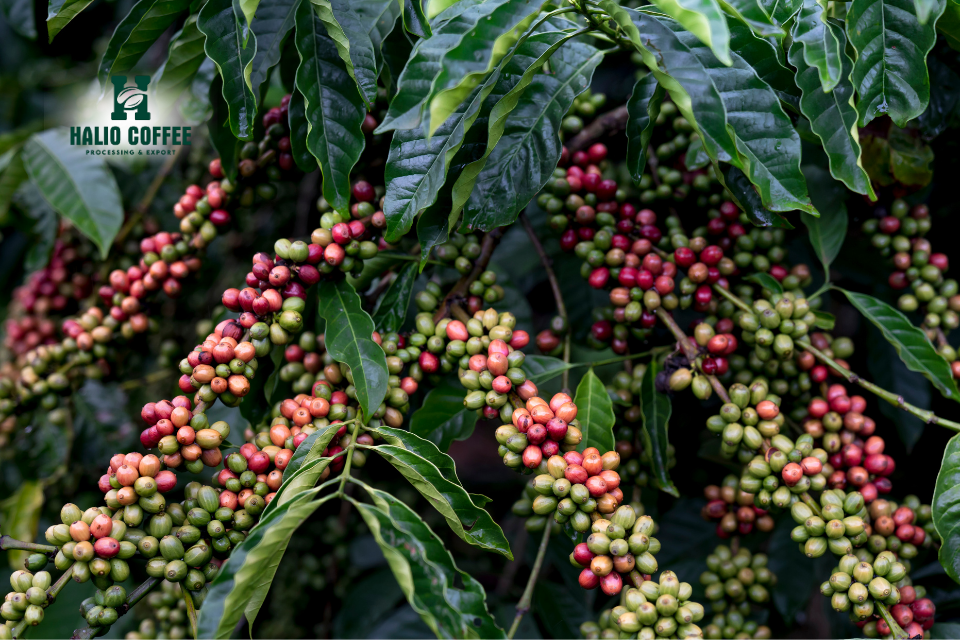
The supplier ecosystem is geographically concentrated. Over 90% of Vietnam’s coffee is grown in the Central Highlands (Tay Nguyen), a region blessed with basaltic red soil rich in nutrients and a distinct dry season essential for the post-harvest drying process.
Table 1: Strategic Production Nodes and Supplier Concentration
| Province | Key Hubs | Primary Supplier Base | Strategic Characteristics |
| Dak Lak | Buon Ma Thuot, Buon Ho, Cu M’gar, Krong Ana | Simexco, Intimex, Dakman, Helena, Kim Thien Coop | The “Coffee Capital.” Highest density of processing plants, state-owned enterprises (SOEs), and trade infrastructure. Focus on Robusta. |
| Gia Lai | Pleiku, Chu Se | Vinh Hiep, Mascopex | Strong focus on certified sustainable coffee (Organic, RA) and large-scale estate farming. |
| Lam Dong | Di Linh, Da Lat | Real Bean, Mascopex | Primary source for Vietnamese Arabica (Catimor) and high-altitude Robusta. Cooler climate facilitates specialized fermentation. |
| Binh Duong | VSIP Industrial Zones | Intimex (Instant Factory) | Processing and logistics hub. Not a growing region, but a critical node for deep processing (spray-dried/freeze-dried). |
Within Dak Lak, the district of Buon Ho has emerged as a critical sub-region. While Buon Ma Thuot serves as the administrative and commercial headquarters, Buon Ho is a production powerhouse where the interaction between cooperatives and trade aggregators is most visible.
3. Tier-1 Supplier Ecosystem: The Industrial Conglomerates
For multinational buyers (Nestlé, JDE, Lavazza) and large commodity traders, the procurement conversation begins and ends with the Tier-1 conglomerates. These entities possess the financial liquidity, storage infrastructure, and hedging capabilities required to manage contracts in the tens of thousands of tons.
3.1 Intimex Group: The Volume Hegemon
Intimex Group stands as the colossus of the Vietnamese coffee trade. Headquartered in Ho Chi Minh City but maintaining a pervasive operational footprint across the highlands, it is the country’s largest exporter by a significant margin.
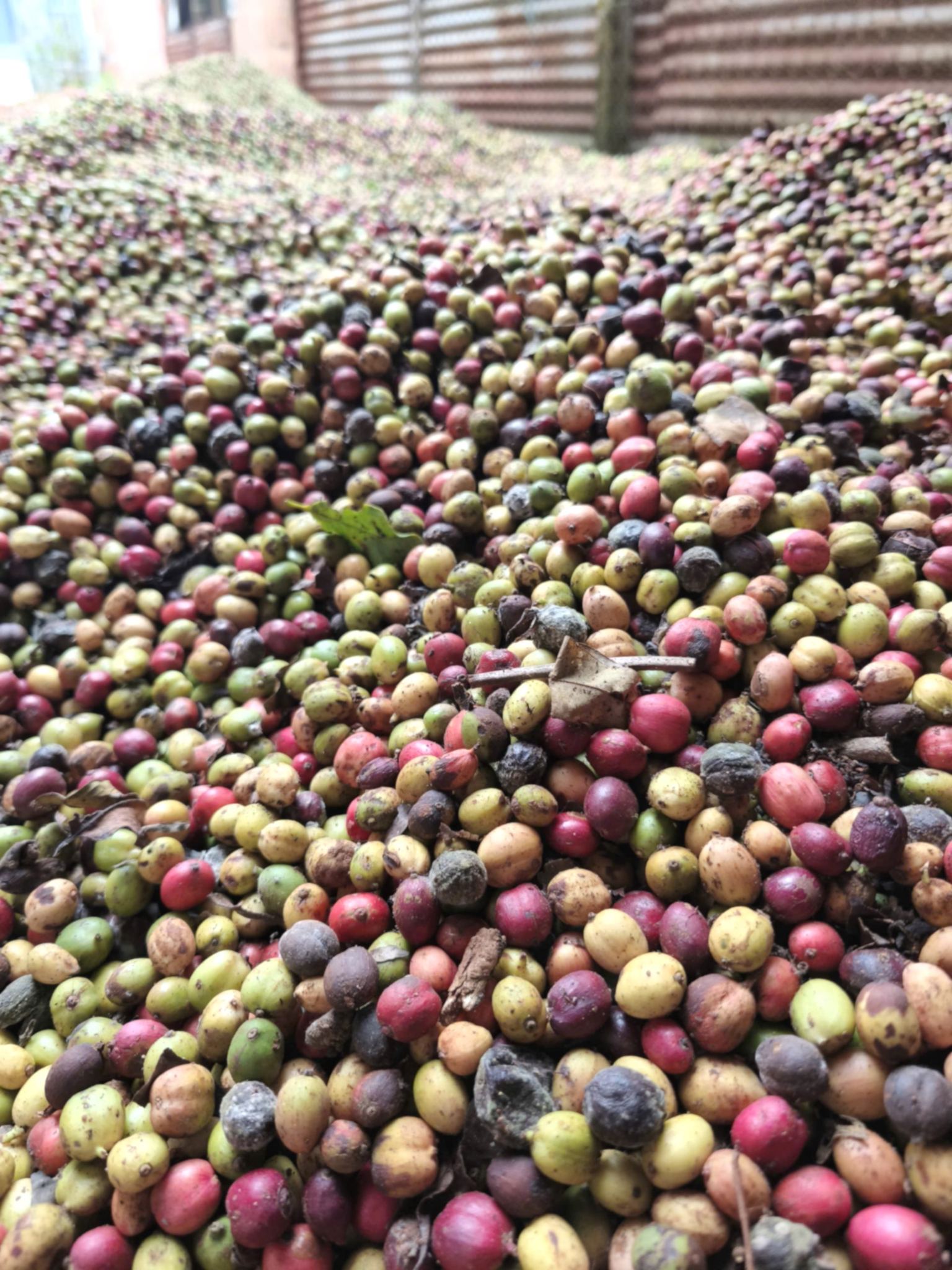
- Operational Scale and Infrastructure: The group’s dominance is built on tangible assets. It operates a network of 14 separate coffee processing factories strategically located in key cultivation areas like Buon Ma Thuot, Bao Loc, and Gia Lai. This decentralized processing capability allows Intimex to aggregate raw coffee (cherry or parchment) directly from farmers and primary dealers, minimizing transit losses and quality degradation.
Export Volume: Intimex consistently exports between 400,000 and 450,000 metric tons annually, accounting for approximately 23.5% of Vietnam’s total coffee export volume. To put this in perspective, Intimex alone exports more coffee than many entire coffee-producing nations.
Deep Processing Capabilities: Moving beyond green beans, Intimex has invested heavily in vertical integration. Their instant coffee factory in Binh Duong (VSIP II-A) boasts a capacity of 4,000 tons of spray-dried coffee per year. The facility utilizes a high-tech “RG” roasting system from Neuhaus Neotec (Germany) and extraction technology from GEA-Niro (Denmark). This technological investment signals a strategic intent to capture the value-added margin of soluble coffee, offering global buyers a “one-stop-shop” for both raw material and finished industrial products.
Quality Assurance: The scale of Intimex necessitates rigorous standardization. Their primary export grade, “Robusta Grade 1 Screen 18 Wet Polished,” is the industry benchmark for premium commercial Robusta. They maintain ISO 9001:2015, HACCP, BRC, and Halal certifications, ensuring compliance with global food safety standards.
3.2 Simexco Daklak: The Sustainability and Traceability Leader
While Intimex leads in volume, Simexco Daklak (Daklak September 2nd Import-Export Company) is widely regarded as the leader in sustainability integration and regional development. A state-owned enterprise established in 1993, Simexco has successfully modernized its operations to meet 21st-century ethical sourcing demands.
- Supply Chain Integration: Simexco controls a “dynamic purchasing network” that extends directly to the farm gate, encompassing over 40,000 farmers. This massive smallholder network is managed through a localized system that allows the company to process up to 900 tons of green coffee per day. Their model creates a symbiotic relationship where the company provides agronomic support (seedlings, fertilizer) in exchange for crop loyalty.
EUDR and Sustainability Compliance: Simexco is arguably the most prepared Vietnamese exporter for the European Union Deforestation Regulation (EUDR). Their “Sustainable Impact Report 2025” details a comprehensive mapping of 100% of their sourcing areas to verify non-deforested land status. They have implemented a proprietary “Traceability Link” and methodology, providing buyers with the granular data required for EU customs clearance. Furthermore, their distribution of 3.5 million seedlings addresses the critical issue of aging tree stock, directly securing future yields against climate and biological degradation.
Product Diversification: Simexco has actively diversified its portfolio into “Fine Robusta.” Listings for “Fine Natural Robusta” and “Fine Honey Robusta” indicate the company operates specialized processing lines distinct from their bulk commercial streams. This capability allows them to service both the commodity market and the burgeoning “premium” sector.
Technological Transparency: In a move to build trust with remote buyers, Simexco has deployed Virtual Reality (VR360) tours of their factories. This digital transparency allows prospective clients to inspect processing lines, storage conditions, and color-sorting machinery from anywhere in the world, reducing the friction of due diligence.
3.3 Vinh Hiep Company Limited: The Organic and Private Sector Pioneer
Based in Gia Lai province, Vinh Hiep represents the zenith of the private sector’s potential in Vietnam. Unlike the state-linked giants, Vinh Hiep has carved a niche by focusing aggressively on certified sustainable coffees.
- The Organic Niche: Vinh Hiep is recognized as one of the largest producers of certified organic coffee in Vietnam. They hold USDA Organic, Rainforest Alliance, and Fair Trade certifications. This is a significant differentiator in a country where heavy fertilizer use is the norm. Their ability to deliver chemical-free beans makes them an indispensable partner for Western brands targeting the “health-conscious” and “eco-friendly” consumer segments.
Market Orientation: With export revenues projected to surpass $1 billion, Vinh Hiep is a major financial player. Their market mix is heavily skewed toward Europe (60% of turnover), reflecting their alignment with the EU’s strict residue and labor standards. Unlike Intimex, which moves vast quantities of standard commercial grades, Vinh Hiep excels in fulfilling customized orders with specific moisture, screen size, and defect parameters tailored to roaster requirements.
Trade History: Trade data confirms Vinh Hiep’s status as a reliable exporter, with documented shipments to demanding markets like the United States, United Kingdom, and Germany. Their logistical footprint includes direct exports to major multinational buyers, further validating their operational reliability.
4. Tier-2 and Specialty Suppliers: The Agile Mid-Market
Below the massive conglomerates lies a vibrant ecosystem of mid-sized enterprises. These companies often offer greater flexibility, lower Minimum Order Quantities (MOQs), and specialized services such as private labeling (OEM) and high-end processing.
4.1 Real Bean Coffee: The Brand Architect
Real Bean Coffee distinguishes itself not by volume, but by service depth. They position themselves as a partner for businesses looking to build a brand rather than just buy a commodity.
- OEM and Private Labeling: Real Bean’s core value proposition includes “Contract Manufacturing” for roasted and instant coffee. They offer a turnkey solution that includes sourcing, roasting, blending, and packaging design. This service is particularly valuable for new entrants, hotel chains, or office supply companies that lack internal roasting infrastructure.
Custom Blending: Unlike bulk traders who sell straight lots, Real Bean offers customizable ratios of Arabica (from Lam Dong) and Robusta (from Dak Lak). Standard offers include 80/20, 70/30, or 90/10 blends, optimized for specific brewing methods like the traditional Vietnamese phin or modern espresso machines. This pre-blending service reduces the R&D burden for the buyer.
Processing Specifics: Their green bean catalog includes “Semi-Washed” and “Fully Washed” Arabica (S16-S18) and “Natural” processed Robusta. The explicit mention of “wood roasting” for their finished products appeals to the artisanal market segment, offering a smoky, traditional flavor profile that gas roasters cannot replicate.
4.2 Helena Coffee: The Technical Aggregator
Helena Coffee Vietnam operates as a sophisticated export house with a strong digital presence and an exhaustive technical catalog. They serve as a bridge between specialized processing and the global B2B market.
- Technical Product Depth: Helena’s product list is among the most detailed in the industry. They offer distinct processing variations including:
- Blue Dragon (Wet Polished): A high-end Robusta where the silverskin is removed via high-pressure water friction, resulting in a cleaner cup and superior visual appearance.
- Honey Process: Available in Yellow, Red, and Black variants, depending on the amount of mucilage left during drying. This process imparts a sweetness and complexity that rivals lower-altitude Arabicas.
Culi (Peaberry): They separate and market Peaberry beans (single-seed mutations), prized for their concentrated flavor and high caffeine content.
Precision Grading: Helena provides rigorous defect specifications, such as a guaranteed maximum of 0.1% black beans for their premium grades. They utilize optical color sorting technology to achieve these standards, ensuring that their “Grade 1” designation is backed by physical purity.
Digital Commerce: Their active engagement on platforms like Alibaba and direct sales channels indicates a modern approach to sales. However, this accessibility also exposes them to retail-level scrutiny, as seen in mixed online reviews which often stem from consumer misunderstandings of Robusta’s inherent flavor profile rather than product defects.
4.3 Dakman Vietnam: The International Joint Venture
Dakman represents a fusion of local access and international standards. A joint venture between Volcafe (one of the world’s largest coffee traders) and local partners, Dakman operates a large processing facility at Km 7, National Highway 26, Buon Ma Thuot.
- Operational Excellence: Leveraging Volcafe’s global standards, Dakman focuses heavily on 4C and Rainforest Alliance certifications. They have managed projects involving hundreds of farms to improve agronomic practices, ensuring a steady supply of certified sustainable coffee.
- Logistics: Their location on the main highway connecting the production heartland to the coast facilitates efficient logistics. They serve as a key aggregation node for Volcafe’s global network, supplying major roasters who require strict chain-of-custody documentation.
5. The Cooperative Ecosystem: Grassroots Sourcing in Buon Ho
For buyers seeking “Farm-to-Cup” traceability, social impact, and potentially higher quality micro-lots, the cooperative sector in the Buon Ho district offers a compelling alternative to corporate suppliers.
5.1 Kim Thien Agricultural Cooperative
Located at 910 Hung Vuong, Thien An Ward, Buon Ho Town, Kim Thien represents the “new style” cooperative model promoted by the Vietnamese government.
- Diversified Agronomy: Kim Thien manages 68 hectares of land with just 21 members. Crucially, their farming system is diversified: 13.6 hectares of durian, 16 hectares of avocado (Booth variety), and 19 hectares of pepper complement their 28.5 hectares of coffee. This intercropping strategy is vital for sustainability. It creates a polyculture ecosystem that improves soil health, provides shade for coffee trees (improving quality), and creates financial resilience for farmers against coffee price volatility.
Direct Trade Potential: By aggregating produce from members and guaranteeing output, Kim Thien acts as a reliable node for direct trade. Buyers partnering with such cooperatives can often secure better pricing and traceability than buying through multiple layers of collectors.
5.2 Ea Tan Cooperative
Based in Krong Nang (near Buon Ho), Ea Tan is a leader in the “Fine Robusta” movement.
- Value-Added Focus: Ea Tan markets “Specialty Green Coffee” including Honey and Natural processes at significant premiums (up to 250,000 VND/kg). This pricing reflects the labor-intensive nature of selective hand-picking (100% ripe cherries) and controlled fermentation.
- OCOP Certification: Their products are recognized under the “One Commune One Product” (OCOP) program, a government initiative that certifies high-quality local goods. This serves as a domestic seal of quality assurance.
6. Technical Analysis: Specifications, Grading, and Processing
To successfully procure green coffee from Vietnam, buyers must master the local grading nomenclature (based on TCVN 4193:2005) and the nuances of processing methods.
6.1 Standard Export Grades
The market is stratified by “Screen Size” (bean diameter) and defect count.
Table 2: Comparative Specifications of Vietnamese Green Coffee Grades
| Grade Classification | Screen Size Specification | Moisture (Max) | Black & Broken (Max) | Foreign Matter (Max) | Primary Application |
| Grade 1 Screen 18 | 90% retained on 7.1mm sieve | 12.5% | 2.0% | 0.5% | Premium Blends, Espresso, Single Origin Robusta |
| Grade 1 Screen 16 | 90% retained on 6.3mm sieve | 12.5% | 2.0% | 0.5% | Standard Commercial Roasting, High-End Instant |
| Grade 2 Screen 13 | 90% retained on 5.0mm sieve | 13.0% | 5.0% | 1.0% | Industrial Instant Coffee, Fillers, Caffeine Extraction |
| Wet Polished (Blue) | Varied (typ. S18/S16) | 12.5% | 0.1% | 0.1% | Japanese Market, Specialty Roasters requiring high visual appeal |
| Clean / Color Sorted | Varied | 12.5% | 0.1% | 0.1% | Zero-defect requirements for automated roasting lines |
6.2 Processing Methods and Flavor Profiles
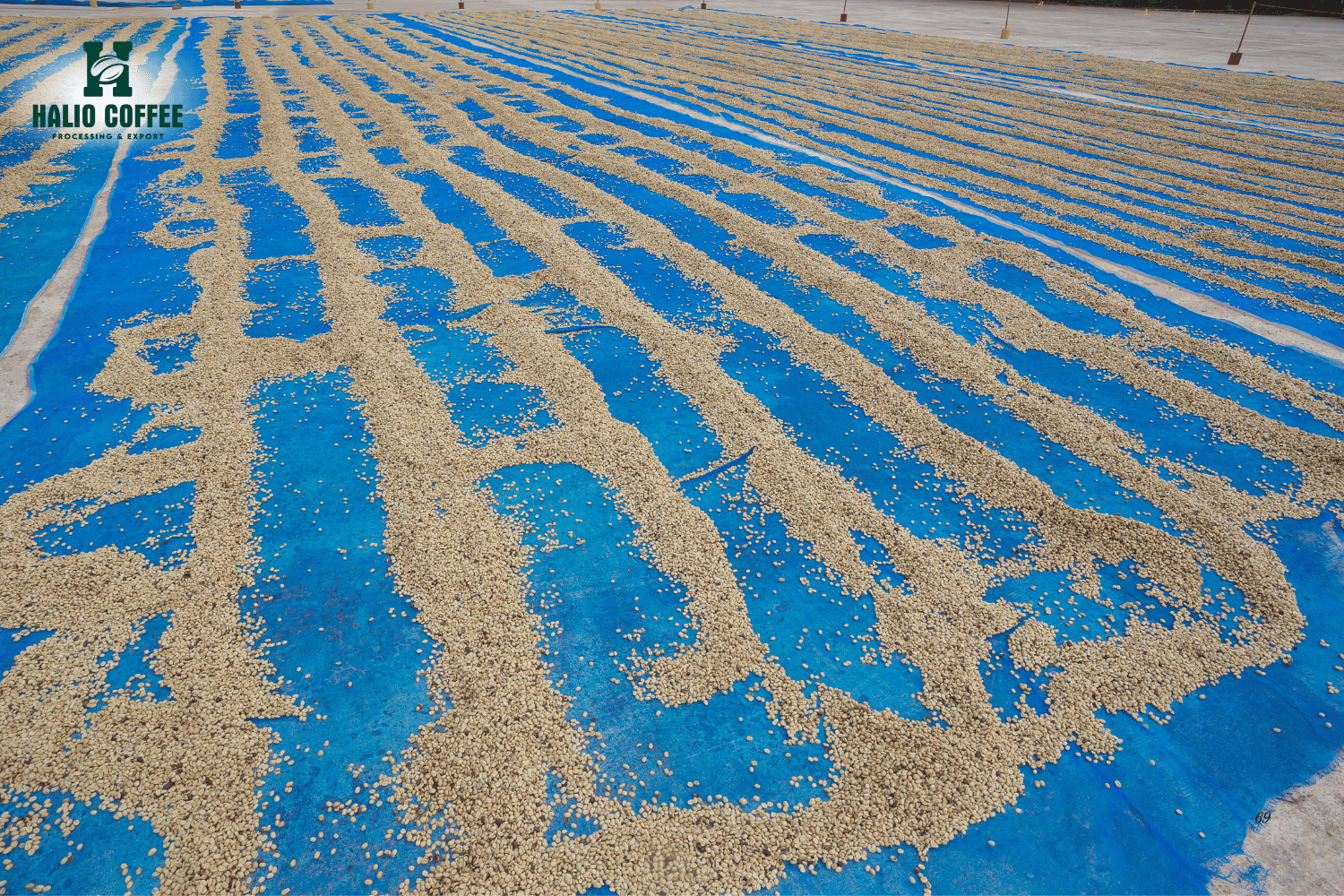
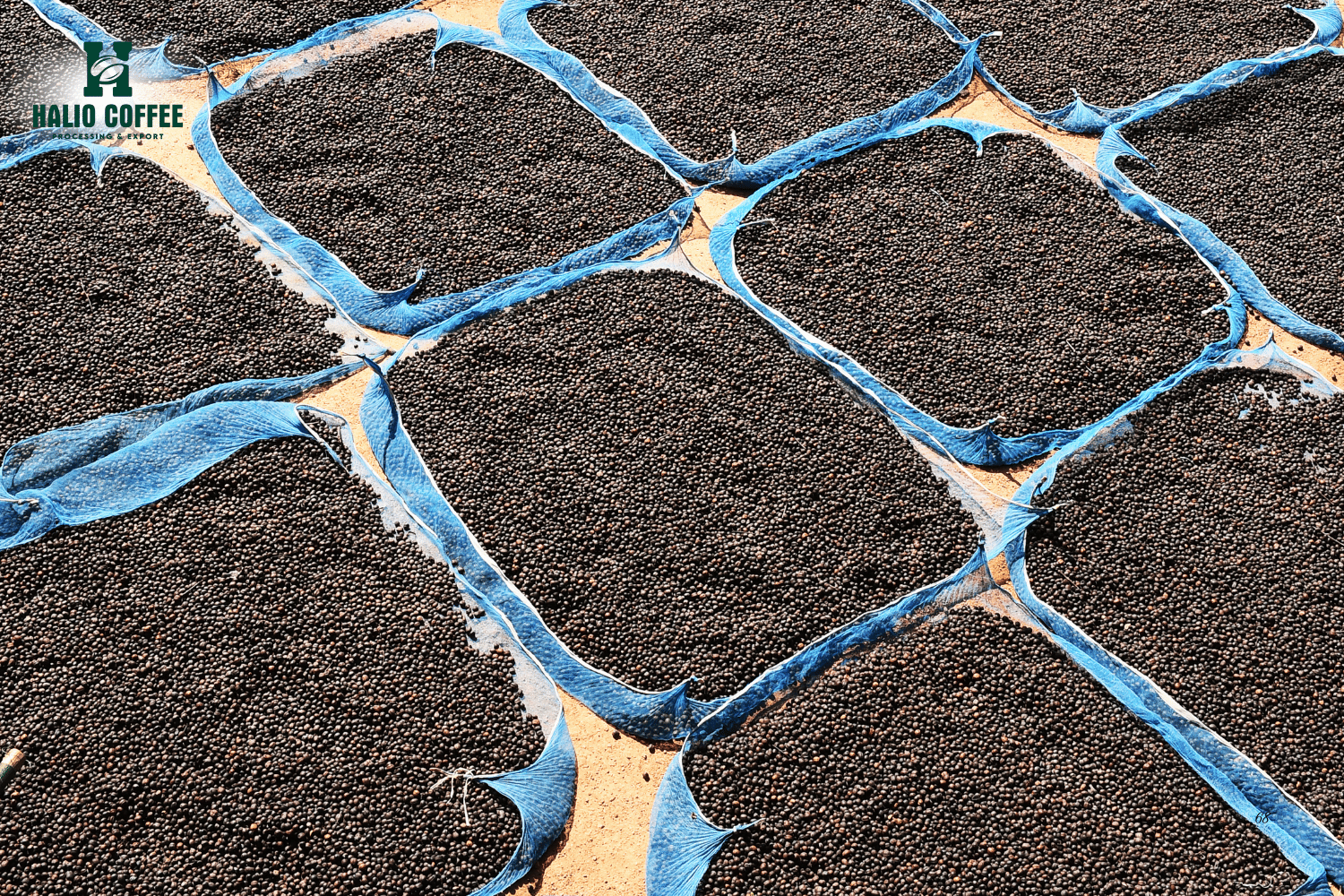
- Natural (Dry) Process: The traditional method where the whole cherry is dried on patios or tarps. It produces a full-bodied coffee with earthier, sometimes woody or fruity notes. It is the standard for commodity Robusta.
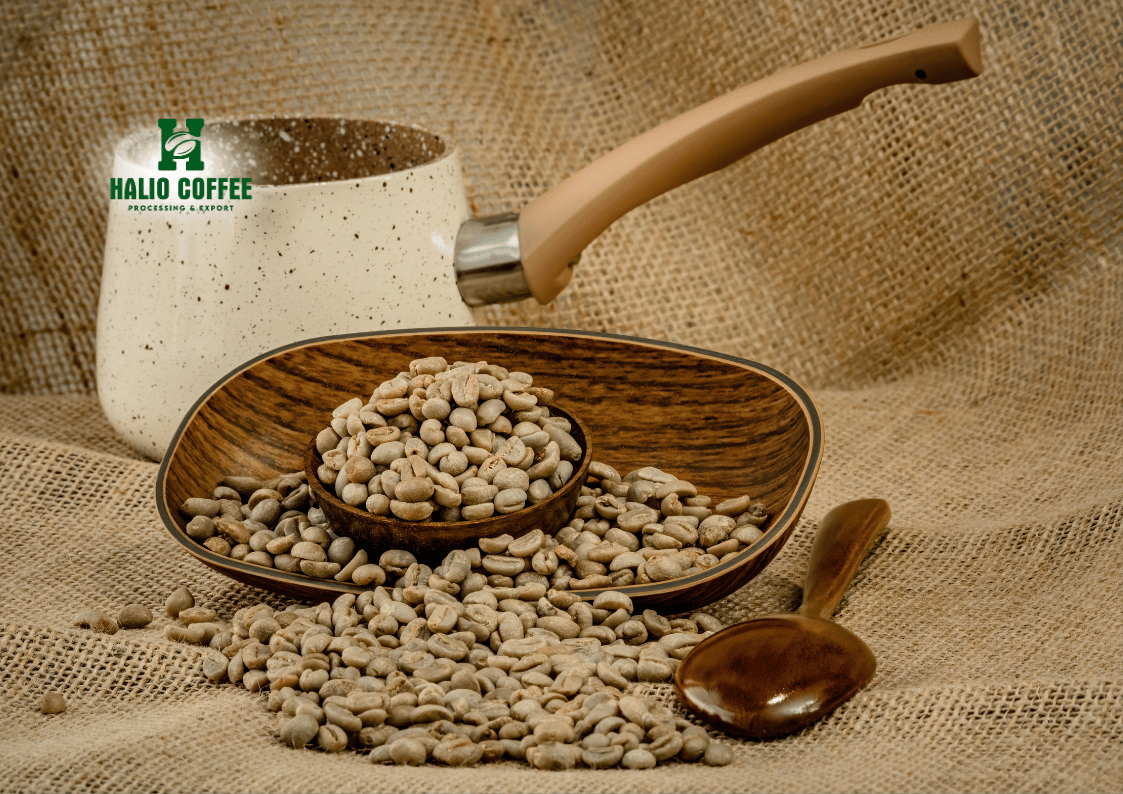
- Wet Polished: This is a mechanical finishing step, not a fermentation method. High-pressure water friction removes the silver skin, leaving a shiny, blue-green bean. It reduces the “chaff” during roasting and provides a cleaner, less earthy flavor profile. It is highly sought after in premium markets like Japan.
Honey Process: A hybrid method where beans are dried with some mucilage attached.
- Yellow Honey: Thin mucilage layer, sun-dried quickly. Mild sweetness.
- Red/Black Honey: Thick mucilage layer, dried slowly under shade or controlled conditions. Risks fermentation but yields deep fruit notes and complex acidity. This method is used by suppliers like Helena and Ea Tan to elevate Robusta into the “Specialty” category.
7. Sustainability, Regulation, and Strategic Compliance
The operational environment for 2025 is defined by strict regulatory headwinds, most notably from the European Union.
7.1 The EU Deforestation Regulation (EUDR) Challenge
The EUDR mandates that no coffee entering the EU market can be produced on land deforested after December 31, 2020. This regulation poses a massive existential challenge for the fragmented Vietnamese supply chain.
- Compliance Mechanisms: Suppliers must provide precise geolocation coordinates for every plot of land in the shipment.
- Supplier Readiness: Large entities like Simexco and Intimex have invested millions in mapping software and GPS databases to track their tens of thousands of farmers. Simexco’s ability to issue a “Due Diligence Statement” is a critical competitive advantage. Smaller, unorganized traders may be locked out of the EU market, forcing them to divert coffee to China or ASEAN markets.
7.2 Certification Landscape
- 4C (Common Code for the Coffee Community): The baseline sustainability standard for major industrial buyers.
- Rainforest Alliance (RA): Focuses on biodiversity and farm management. Key players include Dakman and Vinh Hiep.
- Fairtrade: Less prevalent than in Latin America but maintained by specific cooperatives (Thuan An, Ea Tu) and exporters (Vinh Hiep) catering to ethical consumer niches.
8. Commercial Operations and Risk Mitigation
Navigating the trade mechanics is as important as selecting the right bean.
8.1 Contractual Structures and Incoterms
- Incoterms: The standard term is FOB (Free On Board) Ho Chi Minh City. The seller covers costs up to loading the coffee onto the vessel. The buyer is responsible for ocean freight and insurance.
- Payment Terms:
- New Buyers: Typically CAD (Cash Against Documents) or L/C (Letter of Credit) at sight. Some suppliers may request a 30-40% deposit (T/T) to secure the contract price, especially during periods of high volatility.
- Long-term Partners: May negotiate D/P (Documents against Payment) or open account terms.
- Moisture and Weight: Contracts standardly specify “Net Shipped Weights” and “Quality Final at Port of Loading.” Buyers should employ third-party surveyors (CafeControl, SGS) at the port of loading to verify quality before title transfer.
8.2 Fraud Prevention and Due Diligence
The high value of coffee has attracted fraudulent actors. Buyers must be vigilant against specific scam typologies.
- Impersonation Scams: Fraudsters create websites mimicking reputable cooperatives or companies, offering prices $200-$300 below the terminal market. Always verify the bank account beneficiary name against the company’s business license.
- Certification Fraud: The TUV Rheinland warning list highlights cases of companies misusing certification marks. Buyers should validate certificates directly with the issuing body’s online database.
- Verification Steps:
- Request the Tax Code (Ma So Thue) and check it on the national business registry.
- Ask for a redacted Bill of Lading from a shipment within the last 3 months to a major market (USA/EU).
- Verify membership with VICOFA (Vietnam Coffee Cocoa Association).
9. Conclusion and Strategic Outlook
The Vietnamese green coffee market in 2025 is a bifurcated landscape offering distinct opportunities for different classes of buyers.
For industrial-scale procurement, the path is clear: Intimex and Simexco offer the volume, consistency, and EUDR compliance required to secure the supply chain against regulatory and climatic shocks. Their investment in deep processing and digital traceability makes them the safe harbor for global brands.
For specialty roasters and private label brands, the mid-market offers exceptional value. Real Bean and Helena provide the technical customization and service orientation needed to create differentiated products. Their ability to deliver “Fine Robusta” and specific processing styles (Honey, Wet Polished) allows roasters to tap into the “Robusta Renaissance” trend.
For impact investors and direct trade advocates, the cooperatives of Buon Ho (Kim Thien, Ea Tan) represent the future of sustainable, regenerative agriculture. Sourcing from these entities supports biodiversity (intercropping) and ensures maximum value retention at the farm gate, though it requires a higher tolerance for logistical complexity.
As the industry marches toward a $8 billion export target, the winners will be those—suppliers and buyers alike—who can seamlessly integrate physical quality with digital transparency and unwavering environmental compliance.
Appendix A: Supplier Contact & Verification Matrix
| Entity Name | Classification | Location | Key Strengths | Tax Code / Ref |
| Intimex Group | Conglomerate | Ho Chi Minh / Highlands | Volume, Instant Coffee, 14 Factories | |
| Simexco Daklak | SOE | Buon Ma Thuot | EUDR Compliance, Sustainability, Traceability | |
| Vinh Hiep Co. | Private Enterprise | Gia Lai | Organic (USDA), Rainforest Alliance, Customized Specs | |
| Real Bean Coffee | SME / Exporter | HCMC / Lam Dong | OEM, Private Label, Phin Blends | |
| Helena Coffee | SME / Exporter | Buon Ma Thuot | Technical Grades, Wet Polished, Honey Process | |
| Kim Thien Coop | Cooperative | Buon Ho (Dak Lak) | Intercropping (Durian/Avocado), Direct Trade | 6001607976 |
| Ea Tan Cooperative | Cooperative | Krong Nang (Dak Lak) | Fine Robusta, OCOP Certified | |
| Dakman Vietnam | Joint Venture | Buon Ma Thuot | Volcafe Network, 4C Certification |
- Meet Vietnam’s Robusta Clones
- The Risk Management Playbook: A Consultant’s Guide to Minimizing Transit Risks for Green Coffee
- Coffee Prices Today, August 14: Robusta Surges Over $200/ton, Hits Two-Month High
- The Procurement Playbook: Analyzing the Vietnam Green Coffee Price Per Ton Europe
- Vietnam Robusta Green Beans: A Core Commodity for Coffee Roasters Worldwide