Strategic Outlook: The Global Unroasted Coffee Market 2026
Jan
Based on the research for “unroasted coffee” (often referred to commercially as Green Coffee), the following findings focus on the consumer-facing aspects of the market, health applications, and the specific supply outlook for 2026.
1. The Home Roasting & Consumer Market
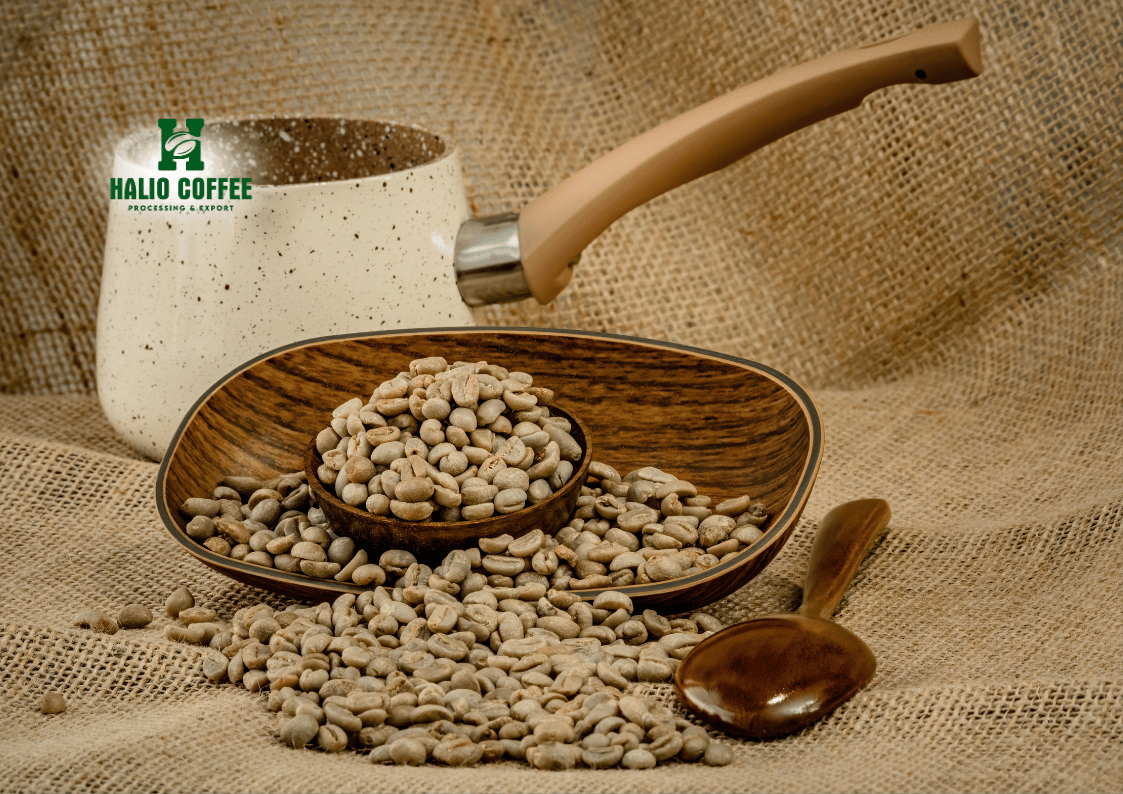
The market for unroasted coffee beans is expanding beyond industrial trade into the consumer sector, driven by the “home coffee bar” trend and enthusiasts seeking total control over freshness and flavor profiles.
- Sourcing Channels: Home roasters in 2025/2026 have access to specialized retailers that break down bulk industrial lots into manageable quantities (e.g., 1lb – 5lb bags). Key players identified include Sweet Maria’s, Bodhi Leaf, Roastmasters, Dean’s Beans, and Klatch Coffee in the US, and Redber in the UK.
- Market Trends: There is a growing consumer preference for “single-origin” and “micro-lot” beans that offer full traceability to the farm level.1 The trend for 2026 emphasizes eco-friendly sourcing and experimental processing methods (like anaerobic fermentation) that produce unique flavor profiles not typically found in standard commercial roasts.
- Equipment: The home roasting segment is maturing, with enthusiasts moving from simple pan roasting or popcorn poppers to dedicated home roasting machines that allow for precise temperature profiling.
2. Health & Nutritional Profile
Unroasted coffee is chemically distinct from roasted coffee.2 The roasting process destroys a significant portion of the bean’s natural chemical compounds, particularly Chlorogenic Acid (CGA).
- Primary Benefit (CGA): Unroasted beans are a potent source of Chlorogenic Acid, an antioxidant linked to health benefits such as lowering blood pressure, regulating blood sugar, and supporting weight management.3 Studies suggest CGA can inhibit carbohydrate absorption and boost metabolism.4
- Consumption Methods:
- Beverage: Whole unroasted beans can be steeped to make a drink that tastes more like herbal tea than traditional coffee, with a milder, “grassy” flavor profile.5
- Extracts: Green coffee extract is widely used in supplements and functional beverages.6 It is often marketed as a “natural fat burner” or energy booster due to its caffeine content.7
- Risks: While generally safe, excessive consumption can lead to side effects associated with caffeine, such as anxiety, insomnia, and stomach issues.8 It is not recommended for individuals with severe caffeine sensitivity or specific heart conditions.
3. 2026 Global Supply & Price Outlook
While the previous report highlighted Vietnam’s role, new data points to a significant resurgence from Brazil that will impact the global availability of unroasted beans in 2026.
- Brazil’s “Conilon” Surge: Forecasts for the 2026/27 crop year indicate Brazil could produce a record 70.7 to 71 million bags of coffee.9 Specifically, production of Conilon (Brazil’s Robusta variety) is expected to reach nearly 24.1 million bags, driven by favorable rains and improved irrigation in states like Espírito Santo.10
- Market Surplus: This massive output from Brazil, combined with recovering production in Vietnam and Indonesia, may lead to a global surplus of 7-10 million bags in the 2026/2027 cycle.
- Price Implications: This potential surplus is expected to stabilize prices after the historic highs of 2024/2025. However, prices will likely remain structurally higher than pre-2020 levels due to ongoing climate volatility and rising compliance costs (such as EUDR certifications).
- Coffee Prices Today, September 9: Strong Rebound on Global Exchanges
- Coffee Prices Today, Dec 10: Mild Recovery Amidst Harvest Pressure and Trade Shifts
- A Consultant’s Guide to Single Origin Vietnamese Coffee Sourcing
- Demanding Coffee Supplier Transparency and Reporting for Strategic Advantage
- Vietnamese Green Coffee Beans Wholesale: Market Insights and Opportunities