Robusta coffee prices on the London exchange reversed sharply, falling by USD 174/ton, while the New York exchange remained closed today due to the Labor Day holiday. The market entered an overbought technical state after a recent surge, making a short-term correction predictable. However, overall sentiment remains optimistic. Global Coffee Price Update At the close […]
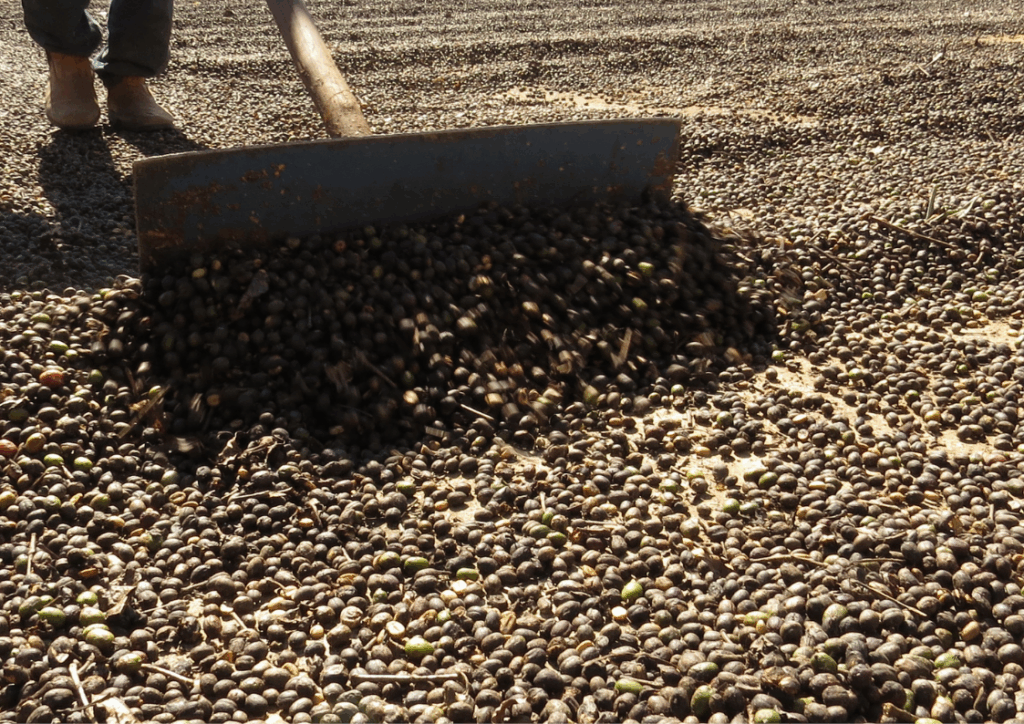
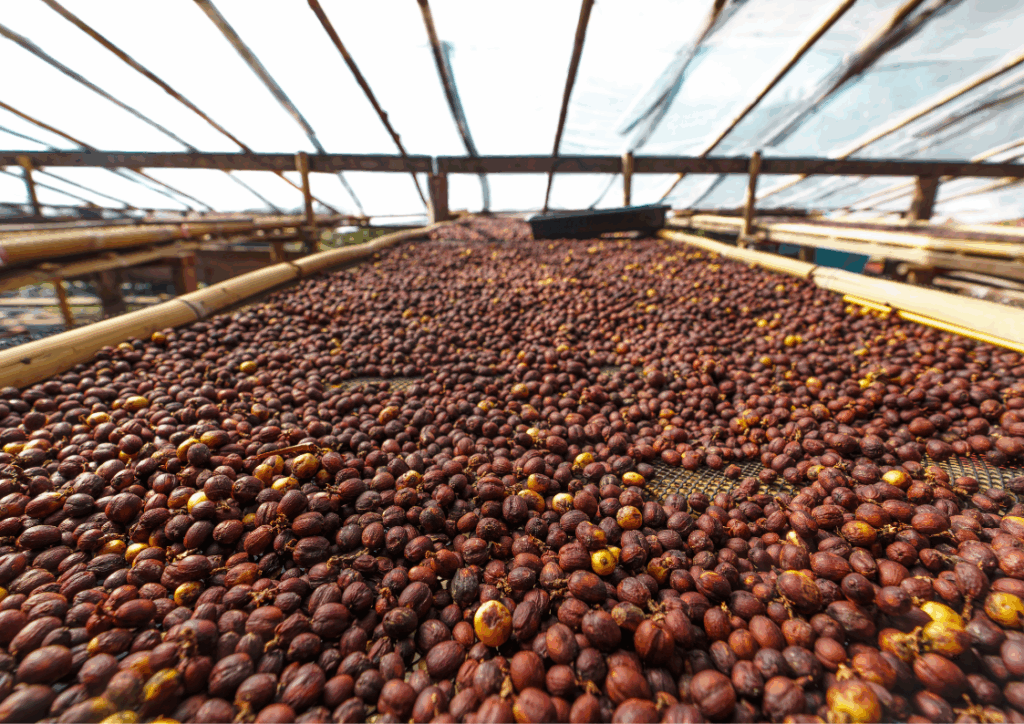
The global coffee industry is undergoing rapid transformation. For decades, arabica has dominated the spotlight in specialty coffee circles, while robusta has been treated primarily as a commodity crop used in blends and instant coffee. However, as market dynamics evolve and new processing techniques improve quality, Sun-Dried Robusta Coffee Beans are carving out a distinct identity in both mainstream and specialty segments.
The coffee industry is at a turning point. While arabica has traditionally dominated conversations in specialty markets, Dry Processed Robusta Beans are gaining unprecedented attention from producers, roasters, and distributors worldwide. Once dismissed as a low-grade commodity crop, robusta is now being redefined through improved cultivation, processing, and global market positioning.
Robusta coffee prices soared nearly 50% in August, while arabica rose more than 34%. Consumers, who have already been paying more for their morning cup, now face further pressure as new tariffs drive prices higher—pushing the coffee futures market to its strongest monthly gain in over a decade.
Coffee prices rebounded today, with Rabobank noting that although the rally may have slowed, the possibility of further short-term gains cannot be ruled out. Speculative activity continues to play a major role amid low inventory levels and limited market liquidity.
Consulting firm StoneX has forecast Brazil’s coffee output for the 2025–2026 crop year at 62.3 million bags, down 5.46% from the previous season. The decline is driven mainly by a sharp fall in arabica production, which is expected to drop 18.4% to around 36.5 million bags. According to StoneX, Brazil’s arabica harvest for the 2025–2026 […]
Coffee prices turned lower on Thursday across major exchanges after J.M. Smucker Co.—owner of Folgers and Café Bustelo—announced further coffee price hikes to offset rising costs from higher tariffs. The news sparked concerns that sustained price increases could weigh on consumer demand.
Coffee prices posted strong gains across major exchanges on Wednesday, with robusta surging by $171/ton to break the $5,000 mark. The market was buoyed by declining inventories and accelerated buying from U.S. roasters after Washington imposed a 50% import tariff on Brazilian coffee.
Coffee prices continued to move in opposite directions on Tuesday, with robusta extending gains while arabica fell for the second straight session. The market is undergoing a technical correction after becoming overbought following the recent sharp rally.
On a day when the London exchange was closed for a public holiday, arabica coffee prices in New York edged lower. The market, however, remains supported by shrinking certified ICE inventories and expectations of a smaller arabica crop in Brazil than initially forecast.