Defining “The Green Bean Coffee” in a Modern Supply Chain
Dec
In our previous guide, we established the rigorous criteria for identifying the best green coffee beans. We moved beyond subjective marketing to objective metrics: zero primary defects, moisture stability, and traceability. You now know how to spot quality.
But quality is not an abstract concept. It must be embodied in a physical product that you can buy, ship, and roast. This brings us to the definitive concept of the green bean coffee.
This phrase—the green bean coffee—is more than just a grammatical variation. In the professional trade, it represents the unified identity of the raw material. It is the intersection of botany, processing, and commerce. It is the product before it becomes a brand.
For the importer or roaster, understanding the green bean coffee means understanding the entirety of the product’s existence before it hits the roaster’s drum. It means seeing the bean not just as a seed, but as a vessel of potential energy, a financial asset, and a logistical challenge.
This guide is your holistic manual. We will synthesize everything we have learned—from the “C-Market” economics to the “100% Riped” harvesting protocols—into a singular, cohesive understanding of the product. We will explore the lifecycle of the green bean coffee, from the flowering tree in Vietnam to the cooling tray in your roastery, and provide a framework for managing its quality at every stage.
The Lifecycle of the Green Bean Coffee: From Cherry to Commodity
To truly understand the green bean coffee, you must understand its journey. It is a transformation story in three acts.

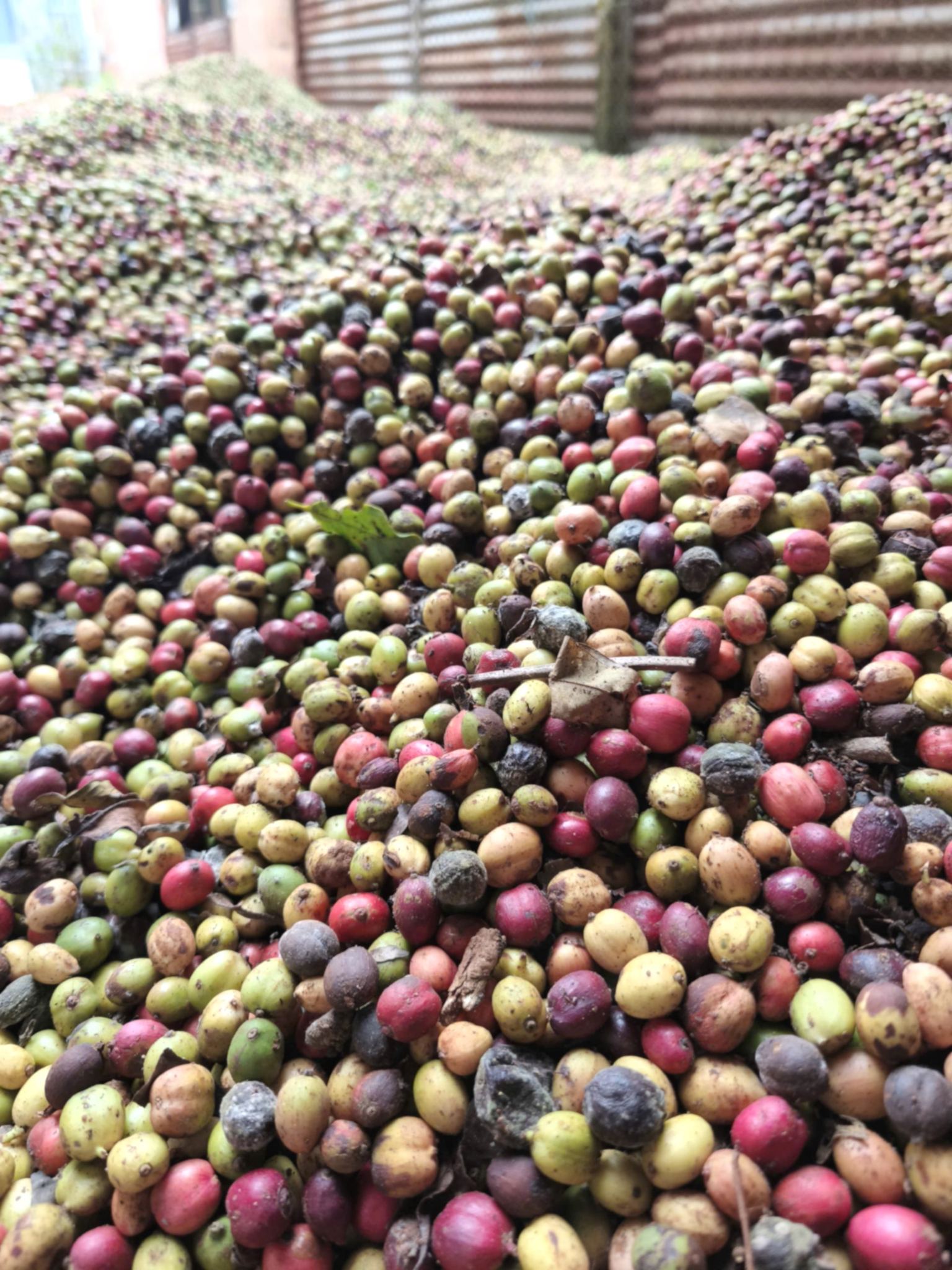
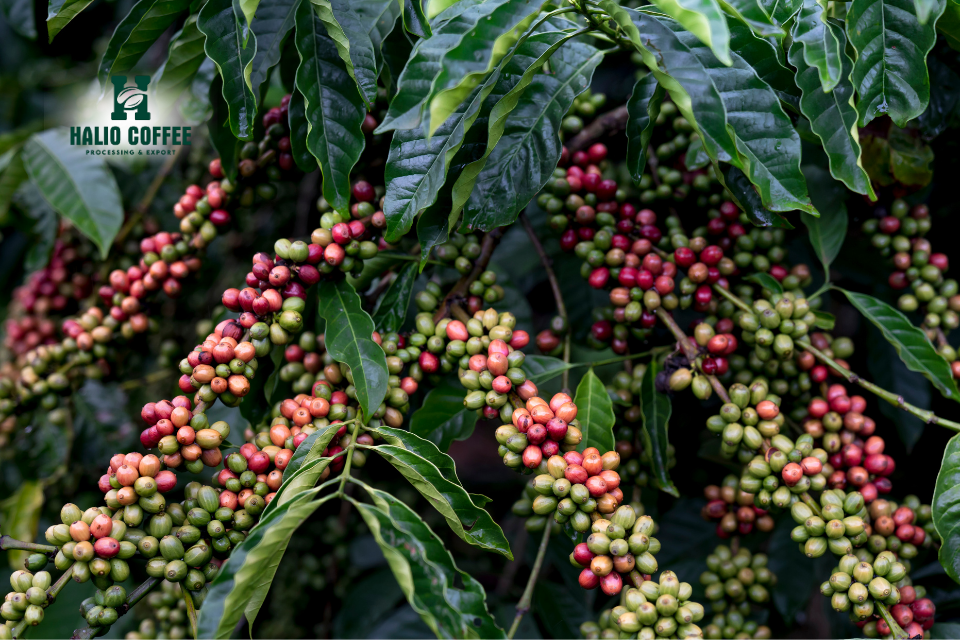
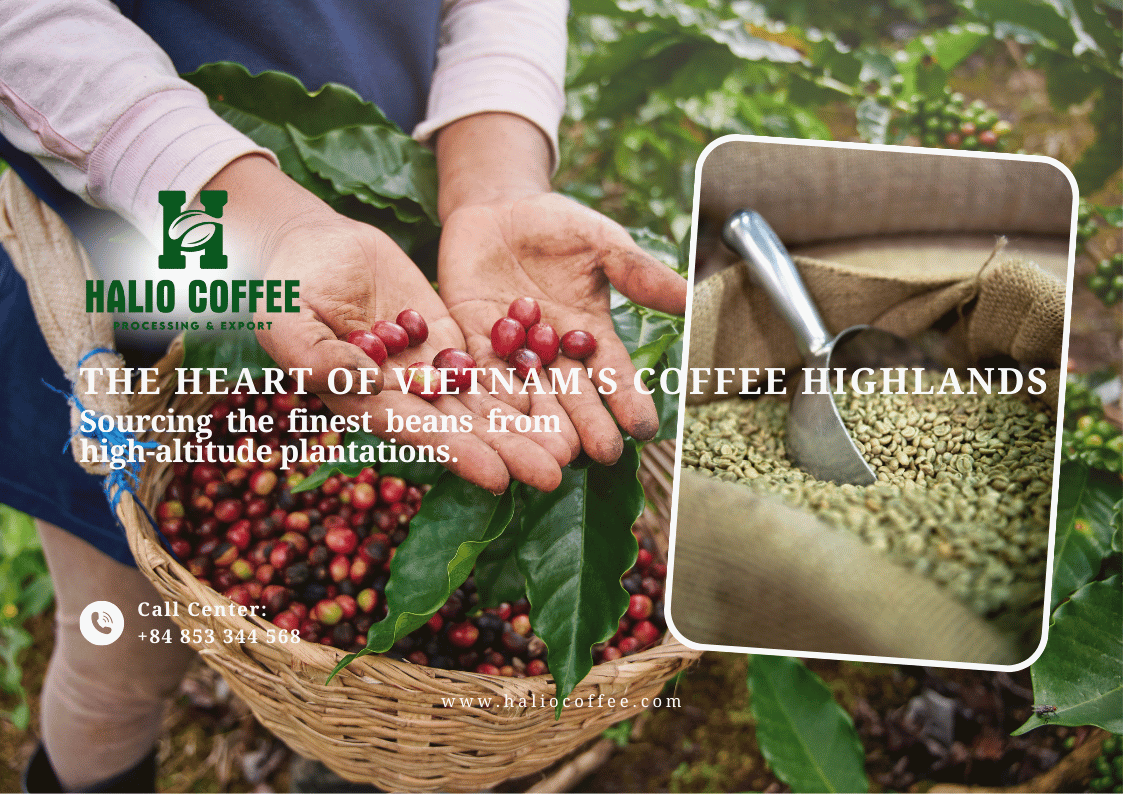
Act 1: The Biological Foundation (The Cherry)
The green bean is the seed of a fruit. Its potential is capped the moment it is picked.
- The Variable: Ripeness. As we’ve seen with Halio Coffee’s philosophy,
100% Ripedselection is non-negotiable. - The Science: A ripe cherry has maximum sugar content (Brix). During processing, these sugars either migrate into the bean (Natural process) or fuel the fermentation that creates acidity (Washed process).
- The Buyer’s Insight: You cannot fix an unripe bean in the roaster. If the green bean coffee you buy contains “quakers” (immature beans), no amount of roasting skill will make it sweet.
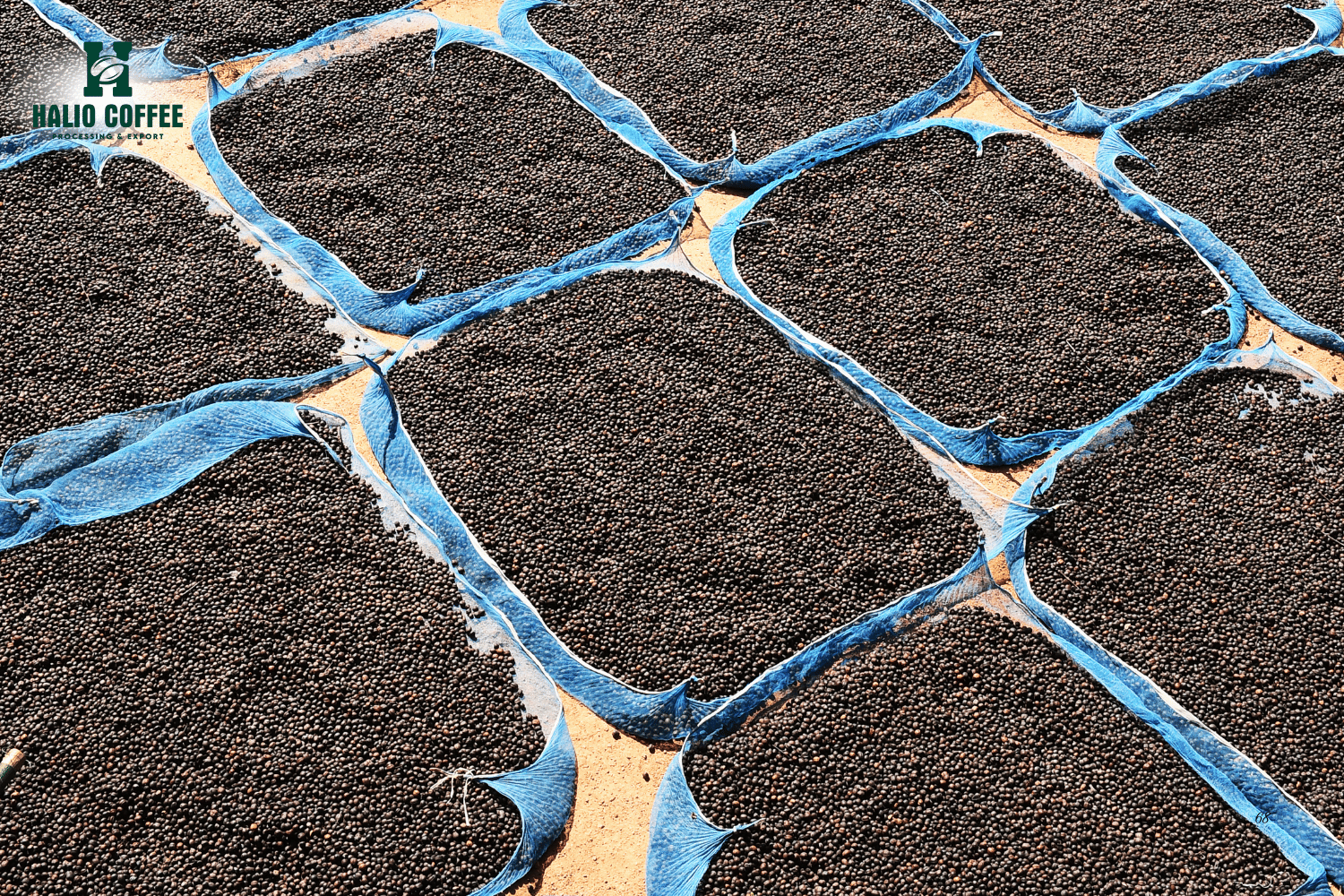
Act 2: The Processed State (The Parchment)
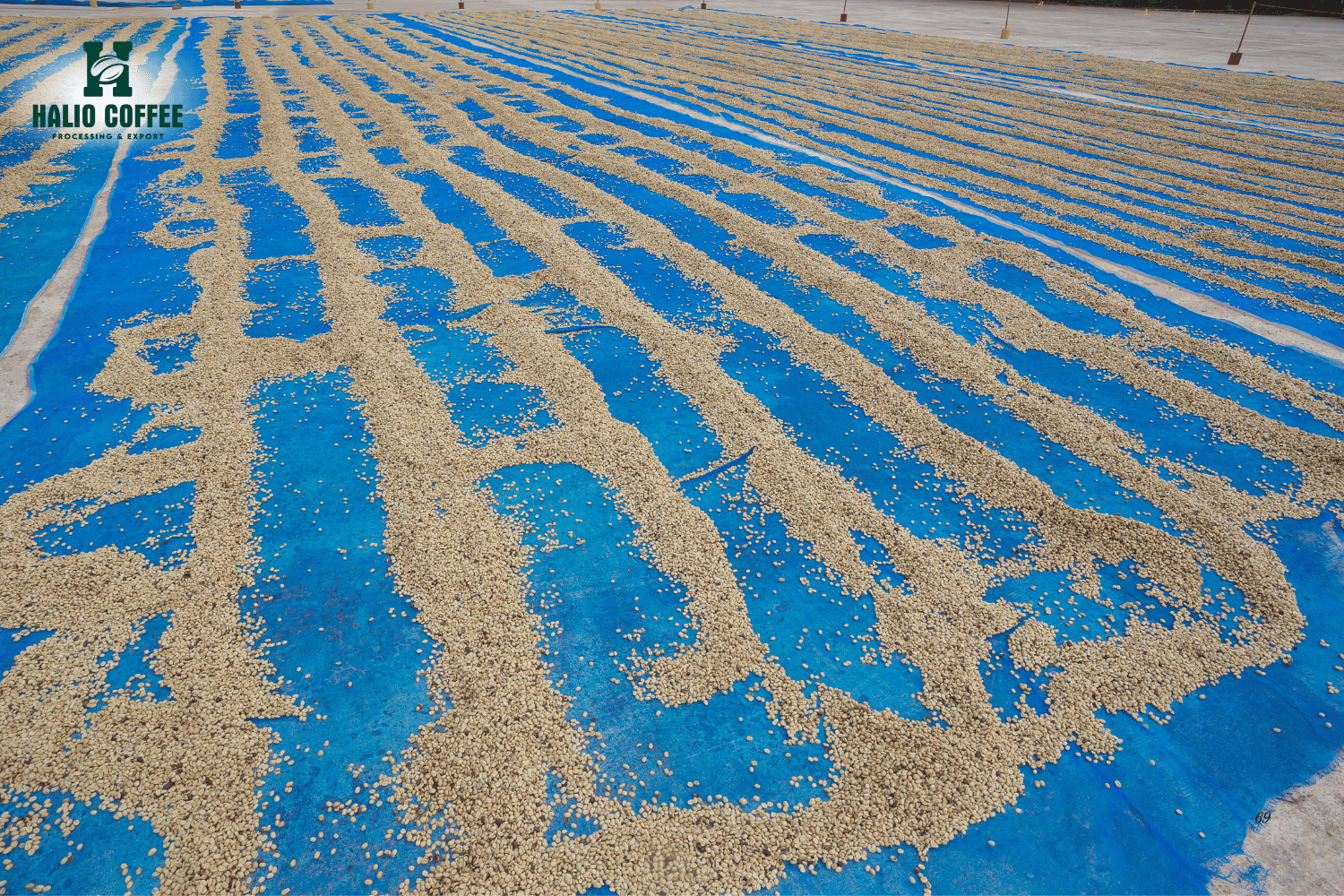
After the fruit is removed, the bean exists in a protective shell called “parchment.” It is dried to 10-12% moisture.
- The “Resting” Period: Professional exporters like Halio will “rest” the coffee in parchment for 30-60 days. This allows the moisture to equalize throughout the cellular structure, stabilizing the flavor.
- The Buyer’s Insight: Freshness is not just about “harvest date.” It is about “resting.” The green bean coffee that has been properly rested will roast more consistently than coffee that was hulled immediately after drying.
Act 3: The Export Product (The Green Bean)
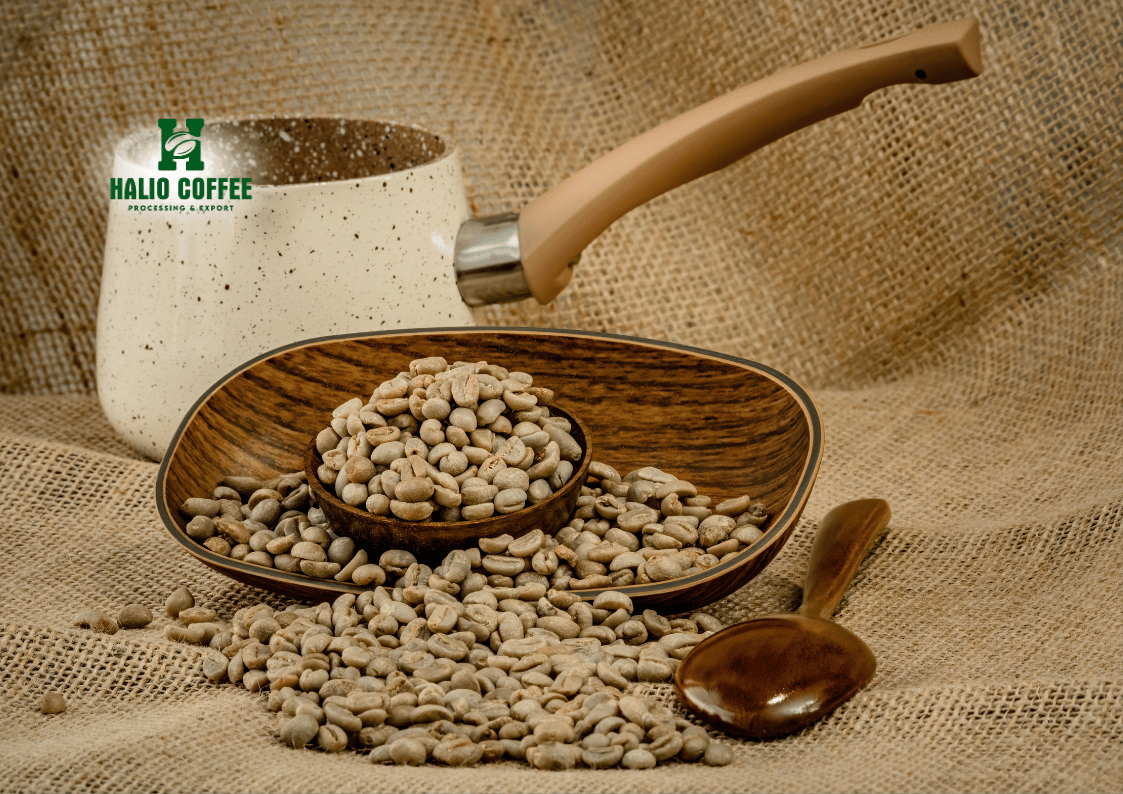
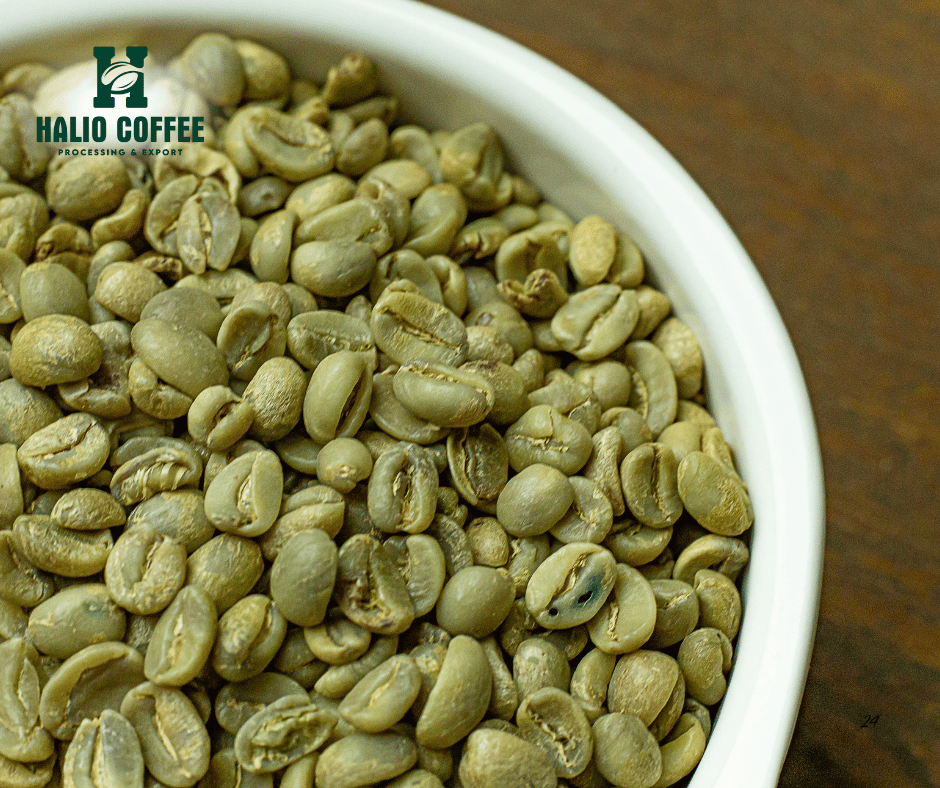
This is the final form. The parchment is hulled, the beans are graded by size (Screen 18, Screen 16) and density, and defects are removed.
- The Result: This is the product you buy. It is a stable, dry, graded agricultural commodity ready for global transit.
The Identity of Vietnamese Green Bean Coffee: A Case Study
Vietnam is the perfect case study for understanding the diversity of the green bean coffee. It is not a monolith; it is a spectrum of identities.
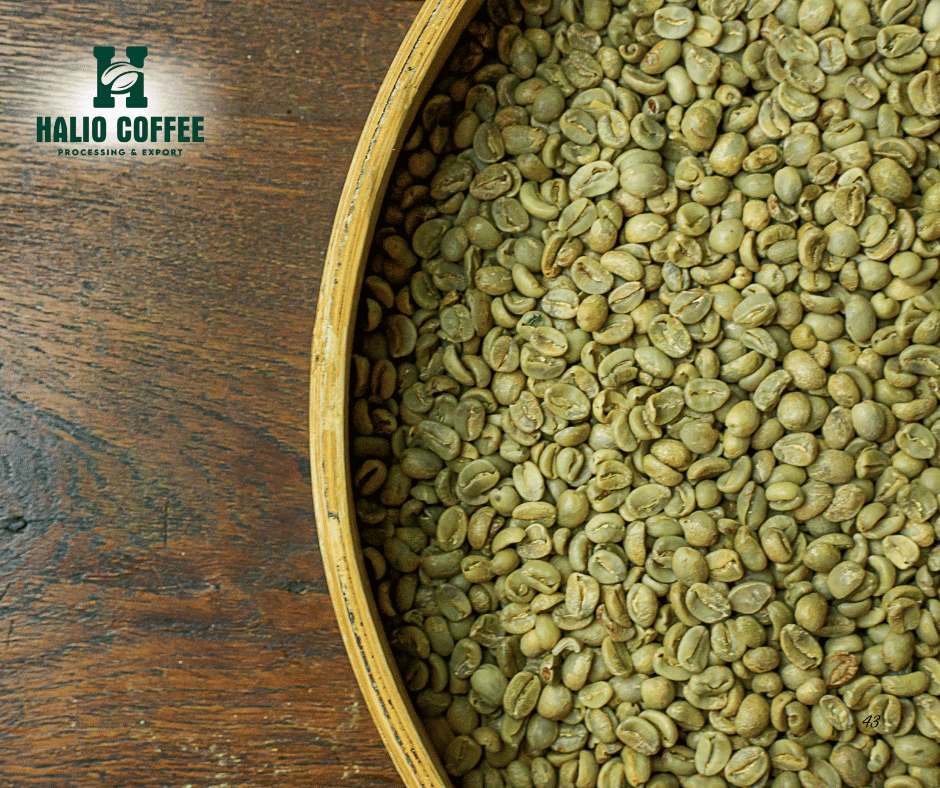
1. The “Powerhouse” Identity: Robusta
Vietnamese Robusta is the engine of the global coffee trade. But the green bean coffee from Vietnam has evolved.
- Traditional Identity: Strong, harsh, rubbery. A caffeine delivery system.
- Modern Identity:
Robusta CleanandRobusta Wet Polished.- The Profile: Suppliers like Halio are producing
Grade 1Robusta that is “cleaned to export standards” and offers a “nutty-chocolate profile” with “low acidity”. - The Use Case: This is the perfect base for espresso blends. It provides the crema and body that Arabica cannot, without the negative taints of the past.
- The Profile: Suppliers like Halio are producing
2. The “Specialty” Identity: Arabica
The identity of Vietnamese Arabica is shifting from “commodity” to “terroir-driven.”
- The Product:
Arabica S18 Fully WashedfromLam Dong Origin. - The Profile: Grown at 1,400-1,800 meters, this green bean coffee offers “bright floral and citrus notes” and “clarity in the cup”.
- The Use Case: This challenges the assumption that Asian coffee lacks acidity. It is a legitimate competitor to Central American milds.
3. The “Innovation” Identity: Honey & Natural
Vietnam is defining a new identity through processing.
- The Product:
Vietnam Robusta Honey Processed Coffee. - The Profile: By leaving the mucilage on the bean, producers create a “bold and smooth body” with “sweet undertones of caramel and raw sugar”.
- The Buyer’s Insight: This is the green bean coffee for the modern roaster who wants to offer something unique—a high-caffeine, high-sweetness espresso that defies categorization.
Managing the Asset: How to Protect The Green Bean Coffee
Once you take ownership (FOB or Ex-Warehouse), the green bean coffee is your asset. It is a depreciating asset. It wants to fade. Your job is to slow that process down.
1. The “Water Activity” Check
We know moisture (12.5%) is the limit. But water activity (aw) is the energy of that water.
- The Standard: The green bean coffee should have an aw below 0.60.
- The Risk: If aw is above 0.60, the water is “active” enough to support microbial growth, even if the total moisture is okay.
- The Action: Ask your supplier for aw readings on high-value lots.
2. The Storage Protocol
You cannot store the green bean coffee in a hot kitchen.
- Temperature: Keep it below 25°C (77°F). Heat accelerates the chemical breakdown of the organic acids.
- Humidity: Keep the ambient humidity between 50-60%.
- The “GrainPro” Factor: As we’ve discussed, the single best protection is the liner. A GrainPro or Ecotact bag creates a stable micro-climate. It stops the bean from “breathing” in the warehouse humidity.
3. The “First-In, First-Out” (FIFO) Discipline
The green bean coffee has a lifespan.
- Washed Arabica: 12-18 months peak freshness (in GrainPro).
- Natural Robusta: 12-24 months (often ages better due to higher sugar/structure).
- The Strategy: Rotate your stock. Do not let a bag of high-acid Arabica sit for 2 years. It will turn into a bag of wood chips.
The Buyer’s Final Checklist: Validating the Identity
Before you roast, run this final identity check on the green bean coffee.
1. The “Screen Test” Validation
- Does the physical size match the contract? If you bought
Screen 18, is it actuallyScreen 18? - Why: Small beans roast faster. If your “Screen 18” lot is 20% “Screen 16,” your roast profile will be uncontrollable.
2. The “Defect” Audit
- Pour out 350g. Count the blacks. Count the sours.
- Why: A single
Full Sourbean can ruin a whole batch. If you find defects that exceed theGrade 1spec (Max 0.1% Black), you must file a claim.
3. The “Sensory” Verification
- Sample roast it. Cup it.
- Why: The green bean coffee might look perfect but taste like “baggy” jute. This is an invisible defect caused by moisture migration during shipping. You must taste it to know.
Conclusion: The Green Bean Coffee as a Foundation
The green bean coffee is the foundation of your business. If the foundation is weak (unripe, defective, old), the house (your roast) will fall.
By understanding the product’s lifecycle, respecting its biological needs, and verifying its identity through rigorous data analysis, you transform sourcing from a gamble into a science. You stop buying “commodities” and start buying “potential.”
Whether you are sourcing the robust power of a Robusta Wet Polished or the elegant acidity of a Lam Dong Arabica, the principles are the same. Respect the bean. Vet the partner. Protect the asset.
You have now mastered the raw material. You have the perfect green bean in your warehouse. It is stable, clean, and paid for. Now, the final transformation begins. You must apply heat. You must turn this potential energy into kinetic flavor.
It is time to step up to the machine. It is time to become a green bean roaster.
- The State of Coffee Producers 2026: A Strategic Analysis of Supply, Risk, and Structural Change
- A Buyer’s Master Guide to Vietnam Green Coffee Beans
- Unroasted Arabica Coffee Beans Vietnam: Exploring a Growing Niche in the Global Coffee Market
- Coffee Prices Today, August 19: Arabica Hits Two-Month High, Robusta Retreats
- The Art of Execution: Structuring a Strategic Green Coffee Order in 2026