How to Identify and Source the Best Green Coffee Beans
Dec
In our previous guide, we challenged the “Near Me” fallacy, establishing that the search for quality often requires looking beyond local warehouses to build strategic, global partnerships. We moved past the convenience of "green coffee beans near me" to embrace the power of direct-to-origin sourcing. Now, we must answer the most fundamental question in the industry: What defines quality?
What makes one bean worth $3.00 per pound and another worth $50.00? How do you objectively identify the best green coffee beans in a market flooded with marketing hype and subjective claims?
For the professional roaster or importer, “best” is not a feeling; it is a measurable standard. It is a convergence of genetics, terroir, meticulous processing, and flawless physical preparation. It is the result of a rigorous chain of custody that preserves the bean’s potential from the tree to the roaster.
This guide is your masterclass in quality assessment. We will deconstruct the objective metrics of excellence, explore the specific origins and processing methods that are currently defining the “best” in the market (with a focus on the rising star of Vietnam), and provide a definitive checklist for vetting top-tier lots.
Deconstructing “The Best”: The Three Pillars of Green Coffee Excellence

To source the best green coffee beans, you must first learn to see them through three distinct lenses: The Physical, The Sensory, and The Ethical. A bean that fails in any one of these categories cannot truly be considered “best.”
Pillar 1: Physical Perfection (The Foundation)
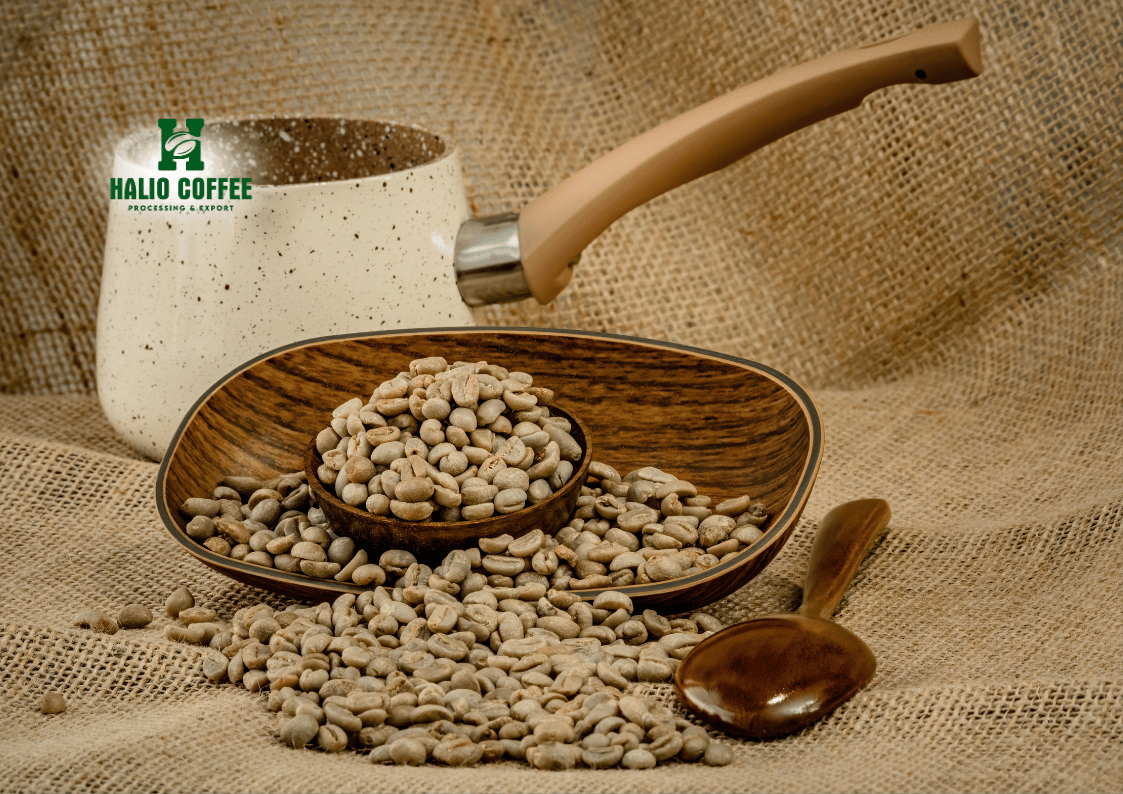
The best green coffee beans are, first and foremost, physically flawless.
- Zero Primary Defects: According to the Specialty Coffee Association (SCA) standards, a “Specialty Grade” bean allows for zero primary defects (e.g., full black, full sour, fungus). Even a single black bean can ruin a pot of coffee.
- Uniformity: The best lots have high screen size uniformity. For example, a premium Vietnamese Robusta will be sold as
Screen 18(7.1mm) orScreen 16(6.3mm). Why does this matter? Uniform beans roast evenly. A mix of large and small beans leads to some being baked and others scorched. - Density: High-altitude beans (grown above 1,200m for Arabica, 800m for Robusta) are denser. They are harder, heavier, and packed with more sugar and complex acids. A dense bean is a high-quality bean.
- Moisture Stability: As we’ve discussed, the “Goldilocks zone” is 10.0% to 12.5%. The best beans are dried slowly and evenly to reach this stable state, ensuring they don’t fade or mold during shipping.
Pillar 2: Sensory Complexity (The Cup)
This is where the magic happens. The “best” beans offer a distinct, memorable flavor experience that reflects their terroir.
- Cleanliness: The baseline for quality. The cup must be free of taints (mold, ferment, phenol).
- Acidity (Arabica): The best Arabicas, like the
Arabica S18 Fully Washed | Specialty | Lam Dong Origin, offer “bright, crisp acidity” with notes of “jasmine, green apple, and sweet citrus”. - Body and Sweetness (Robusta): The best Robustas, such as the
Vietnam Robusta Honey Processed Coffee, redefine the species. They are not harsh or rubbery; they are “bold and smooth” with “sweet undertones of caramel and raw sugar”.
Pillar 3: Ethical Integrity (The Story)
In the modern market, the “best” coffee is also the most responsible.
- Traceability: You cannot claim a bean is the best if you don’t know where it came from. The best beans come with a “birth certificate”—a clear link to the specific farm or cooperative.
- Sustainability: Beans grown with respect for the environment (e.g., shade-grown, water-conserving processing) carry a premium because they ensure the future of the supply chain.
The New Contenders: Where to Find the Best Green Coffee Beans Today

The map of “best” is changing. While Ethiopia and Colombia remain legends, savvy buyers are looking to emerging powerhouses for value, innovation, and distinct profiles. Vietnam is at the forefront of this shift.
1. The High-Altitude Arabica of Lam Dong (The “Vietnamese Champagne”)
If you are looking for the best green coffee beans in Southeast Asia, you look to Lam Dong.
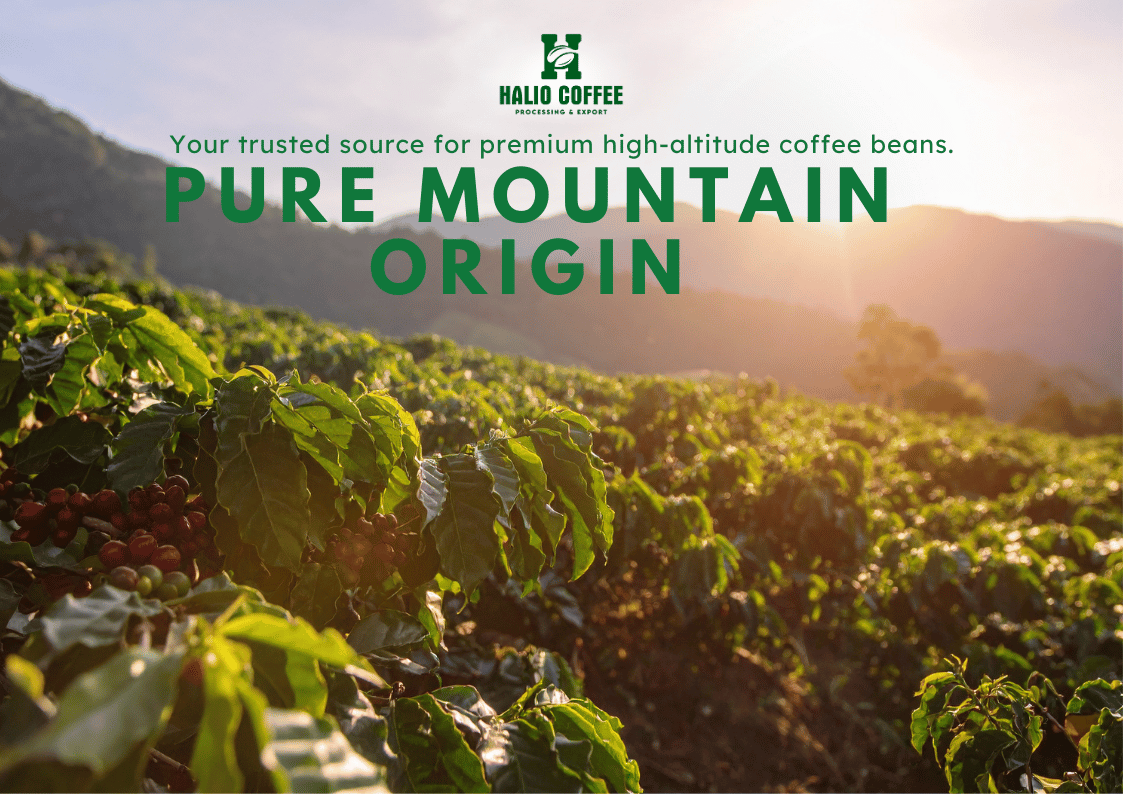
- The Terroir: Altitudes of 1,400–1,800 meters. Cool mists, volcanic soil, and pine forests create a microclimate that slows cherry maturation, concentrating sugars.
- The Product:
Halio's Cầu Đất Arabica Naturalis a prime example. By sun-drying the whole cherry for 20-25 days, producers create a “wildly distinct” cup with “bold sweetness” and “rich fruit notes” of red berries and dark honey. This is a coffee that challenges the best naturals from Africa.
2. The “Fine Robusta” Revolution of Dak Lak
For espresso blends and rich brewing, the “best” bean is often a high-grade Robusta. Vietnam is transforming this category.
- The Innovation: Moving beyond commodity processing.
- Honey Process: As seen in Halio’s Robusta Honey, partially removing the mucilage creates a cleaner, sweeter cup than traditional methods.
- Wet Polished: Halio’s Robusta Wet Polished involves mechanically polishing the dried bean to remove silver skin. The result is a “shinier appearance,” “cleaner cup quality,” and a refined taste profile of wood, nuts, and dark cocoa. This is the “best” option for premium commercial roasters who need visual appeal and consistency.
3. The Cross-Border Gem: Laos Arabica
Sometimes the “best” is a hidden neighbor.
- The Discovery: The
Arabica lao Fully Washedfrom the CBU region of Southern Laos (Bolaven Plateau) is gaining recognition. Grown at 1,000-1,300m, it offers a “smooth, medium body” and “mild acidity” with notes of brown sugar and almond. It is the perfect “mellow” counterpart to the bright acidity of Vietnam’s Son La Arabica.
A Buyer’s Checklist: How to Vet for “The Best”
You have found a supplier claiming to have the best green coffee beans. How do you verify it? Use this checklist.
1. The “Ripe Cherry” Audit
- Question: “What is your ripe cherry selection rate?”
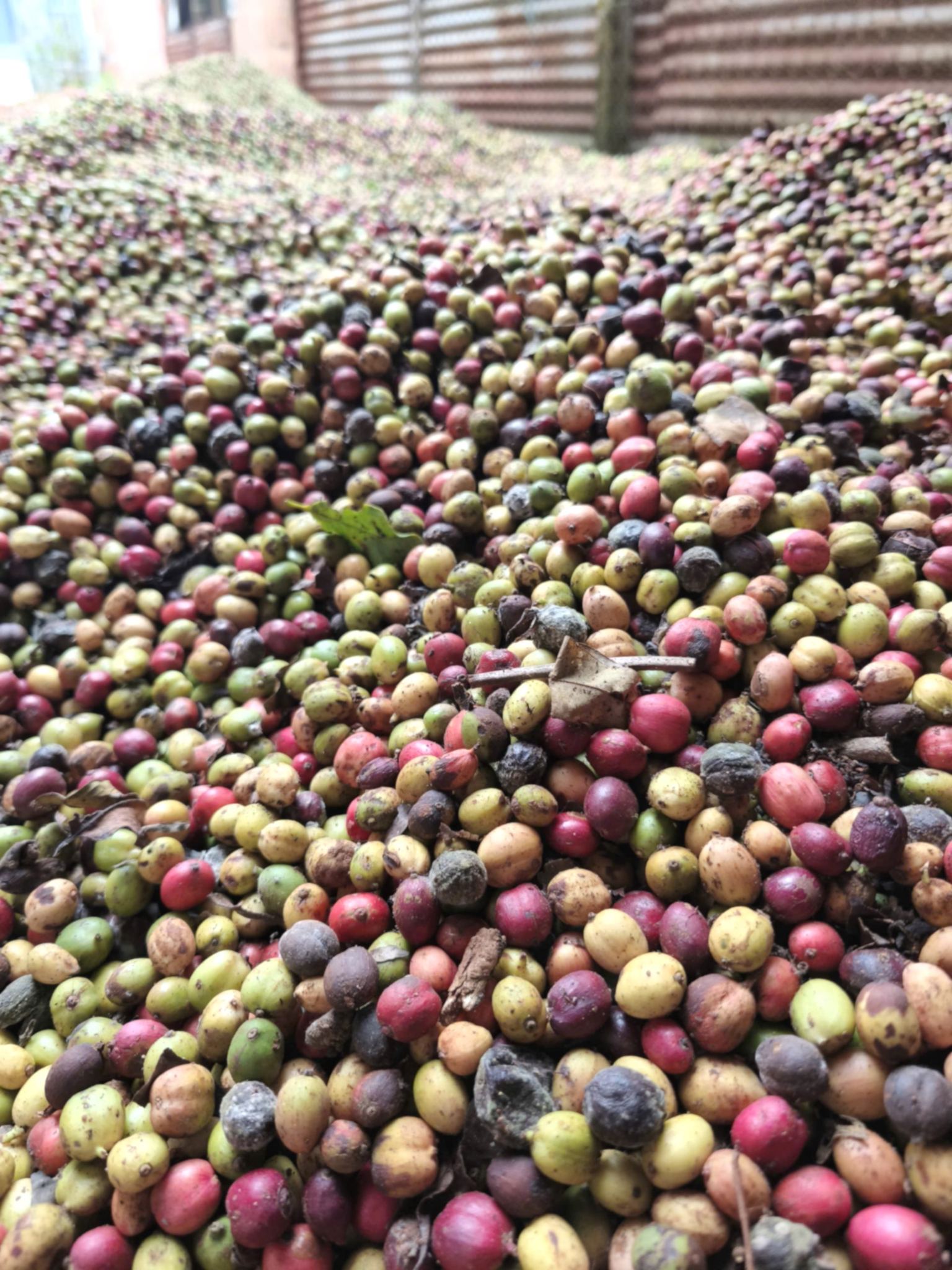
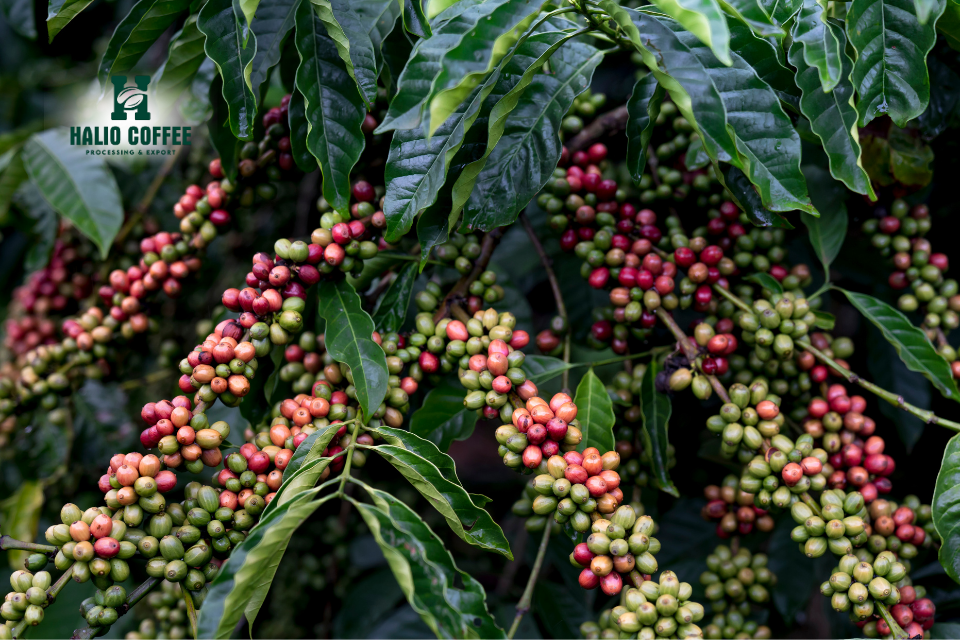
- The Standard: Commodity coffee accepts strip-picking (green/ripe mix). The “best” coffee demands
100% Ripedselection. - Why: Only a fully ripe cherry has the maximum sugar content. Unripe cherries lead to “quakers” (pale beans) that taste like peanut shells. A supplier like Halio Coffee, who explicitly guarantees a
Ripe Cherry Rate: ≥ 98%or≥ 90%, is operating at a specialty standard.
2. The Processing Precision Audit
- Question: “How do you control fermentation and drying?”
- The Standard: Look for specific protocols.
- For Washed, look for “fermented and washed in clean mountain water” and “slow drying under controlled conditions”.
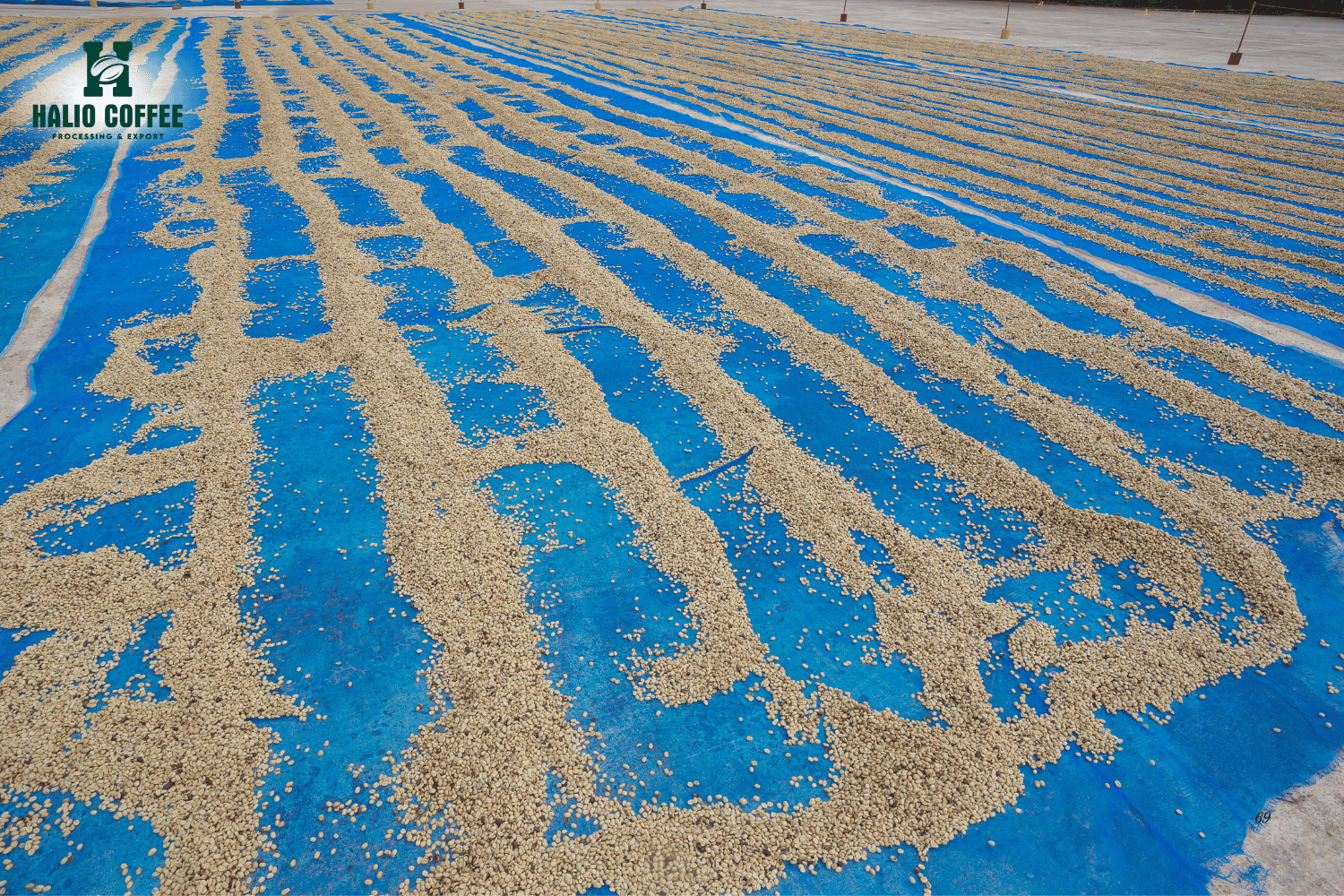
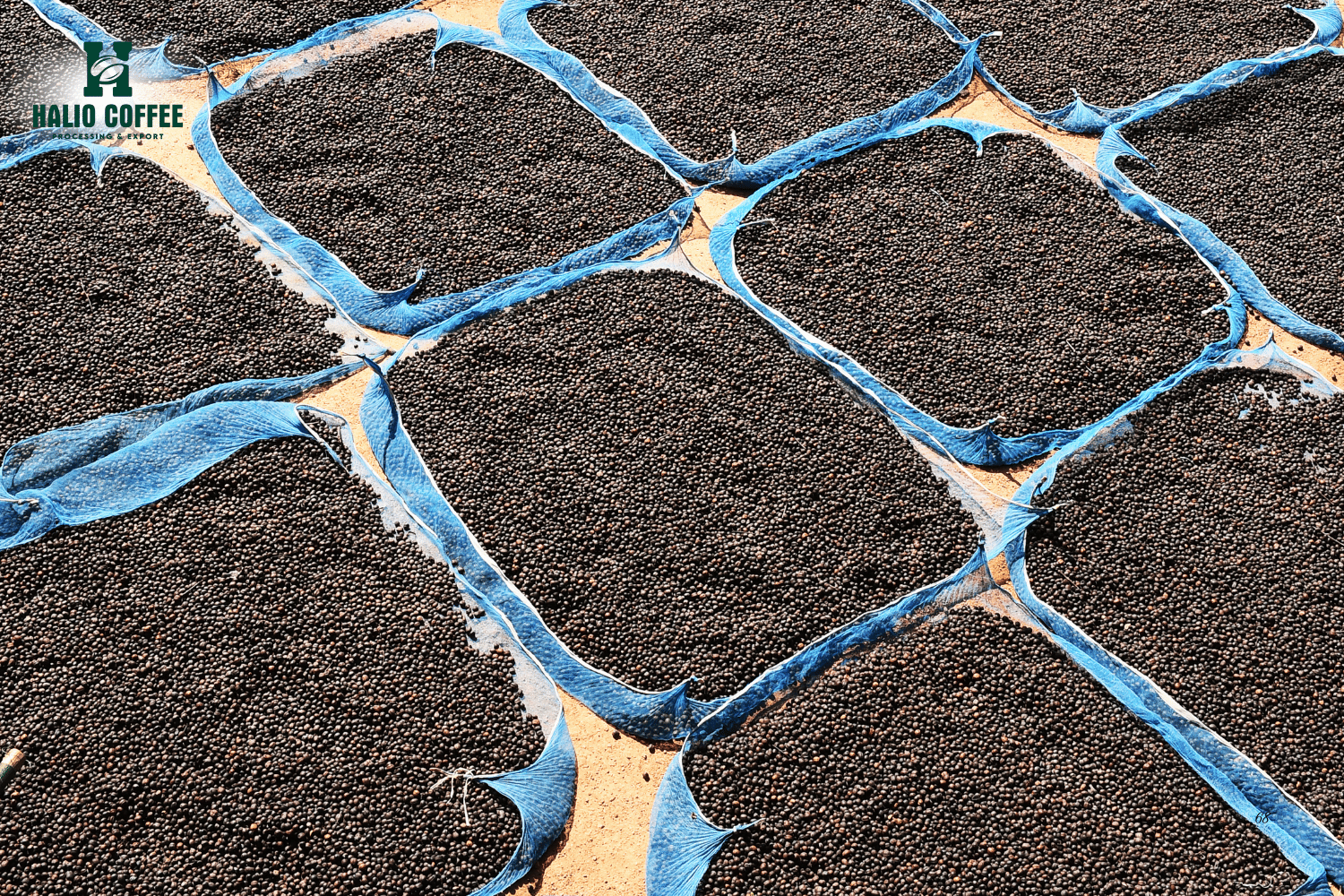
- For Natural, look for “sun-dried whole… on raised beds” for “20-25 days”. This slow drying is critical to prevent fermentation defects (“boozy” flavors).
3. The Grading Audit
- Question: “What is your defect tolerance?”
- The Standard: Demand Grade 1. This means
Black beans: max 0.1%,Foreign matter: max 0.1%, andBroken beans: max 0.5%. Anything less is not “the best.”
4. The “Sample vs. Stock” Audit
- Question: “Is the sample drawn from the final export lot?”
- The Standard: Never buy based on a “type sample” (a generic representation). Buy based on a Pre-Shipment Sample (PSS) drawn from the actual bags you will receive. The best suppliers seal and reference these samples.
Red Flags: Signs of “Fake Best”
- 🚩 “Grade 1” with no Specs: A supplier claims “Grade 1” but refuses to define the defect count or screen size. This is a marketing trick.
- 🚩 “All Altitudes”: A listing that says “Grown in Vietnam” without specifying the region (e.g., Lam Dong vs. Dak Lak) or altitude. You cannot have the “best” without a specific terroir.
- 🚩 “Vintage” Crops: Coffee harvested 12+ months ago. Even the best bean fades. Always ask for the Crop Year. “Current Crop” is the only “best” crop.
- 🚩 Cheap “Specialty”: If a “Specialty Arabica” is priced at the Robusta commodity floor, it is not specialty. Quality costs money to produce (labor, selection, sorting).
Conclusion: The Pursuit of the Best
Finding the best green coffee beans is a journey, not a destination. It requires a shift in mindset from “buying a commodity” to “curating a portfolio.”
It requires finding partners like Halio Coffee Co., Ltd, who are not just exporters, but manufacturers obsessed with the details of Proper Processing and High Quality selection. It requires looking at a Robusta Wet Polished bean and seeing not just a coffee, but a feat of engineering that delivers “shine in every bean” and “strength in every sip”.
When you source the best, you are not just improving your product; you are elevating your entire brand. You are giving your customers a reason to return, a story to tell, and a cup that stands apart in a crowded market.
Now that you know how to identify the best, the next logical step is to understand the “whole picture” of the product. We have dissected the bean, the price, and the quality. Now we must look at the unified identity of the product itself. It is time to explore the definitive concept of the green bean coffee.
- Direct Trade Coffee Vietnam: A Transparent and Sustainable Approach to Green Bean Sourcing
- From Sourced Bean to Branded Asset: The Definitive Guide to Private Label Roasted Arabica Coffee
- Vietnam Green Coffee Beans Export: Market Insights and Supply Chain for Global Roasters
- Beyond the Blend: The Ultimate Guide to Partnering with a Single Origin Arabica Roasted Coffee Distributor
- Sun-Dried Robusta Coffee Beans: An In-Depth Industry Guide for Producers, Roasters, and Distributors