Sourcing and Vetting Specialty Green Coffee Beans
Dec
In our comprehensive guide to procurement, we concluded that the most resilient supply chains are built on strategic partnerships with professional green coffee bean suppliers. We defined the baseline for quality, safety (HACCP/ISO), and logistics. Now, we ascend to the pinnacle of the trade: the specialty green coffee beans market.
This sector is where true competitive advantage is born. Specialty coffee—defined as a segment that consistently meets high standards for quality, traceability, and flavor complexity—is the high-margin engine that drives brand loyalty. It is the product that allows a roaster to command a price premium that is decoupled from the volatile commodity (C-Market) price.
For the B2B buyer, understanding specialty green coffee beans is essential, as the criteria for selection, the risk profile, and the pricing structures are fundamentally different from commercial grade. This guide provides the expert framework for identifying, sourcing, and managing this high-value category, exploring the rigorous standards applied to both Arabica and the burgeoning Fine Robusta segment.
The Defining Metric: Beyond the 80-Point Threshold
The globally accepted minimum threshold for specialty green coffee beans is a score of 80 points on the 100-point Cupping Protocol developed by the Specialty Coffee Association (SCA) or the Coffee Quality Institute (CQI). However, relying on this single number is a rookie mistake.
1. The Flawless Physical Baseline
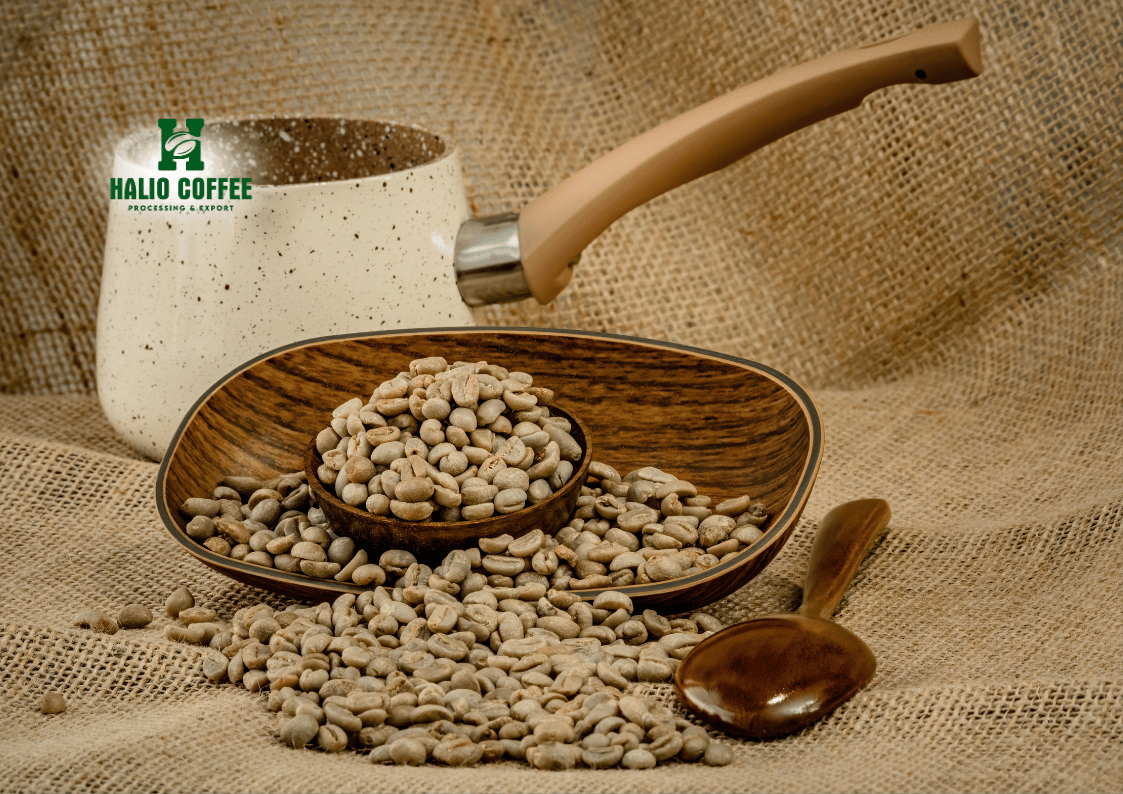
A high score is meaningless if the physical product is flawed. For specialty green coffee beans, the baseline physical requirement is near-perfection:
- Zero Primary Defects: No full black, full sour, or severe fungal damage.
- Zero Quaternary Defects: The allowance for minor defects (broken beans, insect damage) is minimal, often approaching Zero Defect status.
- Moisture Stability: The coffee must be stable between 10.0% and 12.5%, indicating optimal drying and storage, which is critical for long-term flavor preservation.
2. Flavor Complexity (The Differentiation)
The score itself is a composite of ten flavor attributes. The best specialty green coffee beans achieve high scores through complexity and balance.
- Acidity: Must be bright, clean, and specific (e.g., malic, citric, or tartaric), not simply “sour.”
- Sweetness & Clean Cup: The coffee must exhibit intense sweetness and have zero defects or taints (no rubbery, woody, or phenol notes).
- Clarity: The flavor notes must be easily identifiable and consistent (e.g., “jasmine and citrus” in a high-altitude Arabica).
3. The Quality Floor: Specialty vs. Fine Robusta
While Arabica uses the SCA protocol, the Fine Robusta segment, which is highly relevant to Vietnam, uses the CQI Fine Robusta Protocol. This ensures that the bean is judged fairly against its species-specific traits. This specialization is key to unlocking the true value of exceptional Vietnamese lots.
The Pursuit of Rarity: Sourcing High-Value Specialty Green Coffee Beans
The specialty green coffee beans market is characterized by scarcity, rarity, and specific processing innovations that amplify flavor complexity.
1. Processing Innovation (Beyond Washed)
The method of removing the cherry fruit (the processing method) is the single most important factor that elevates a bean from commercial grade to specialty.
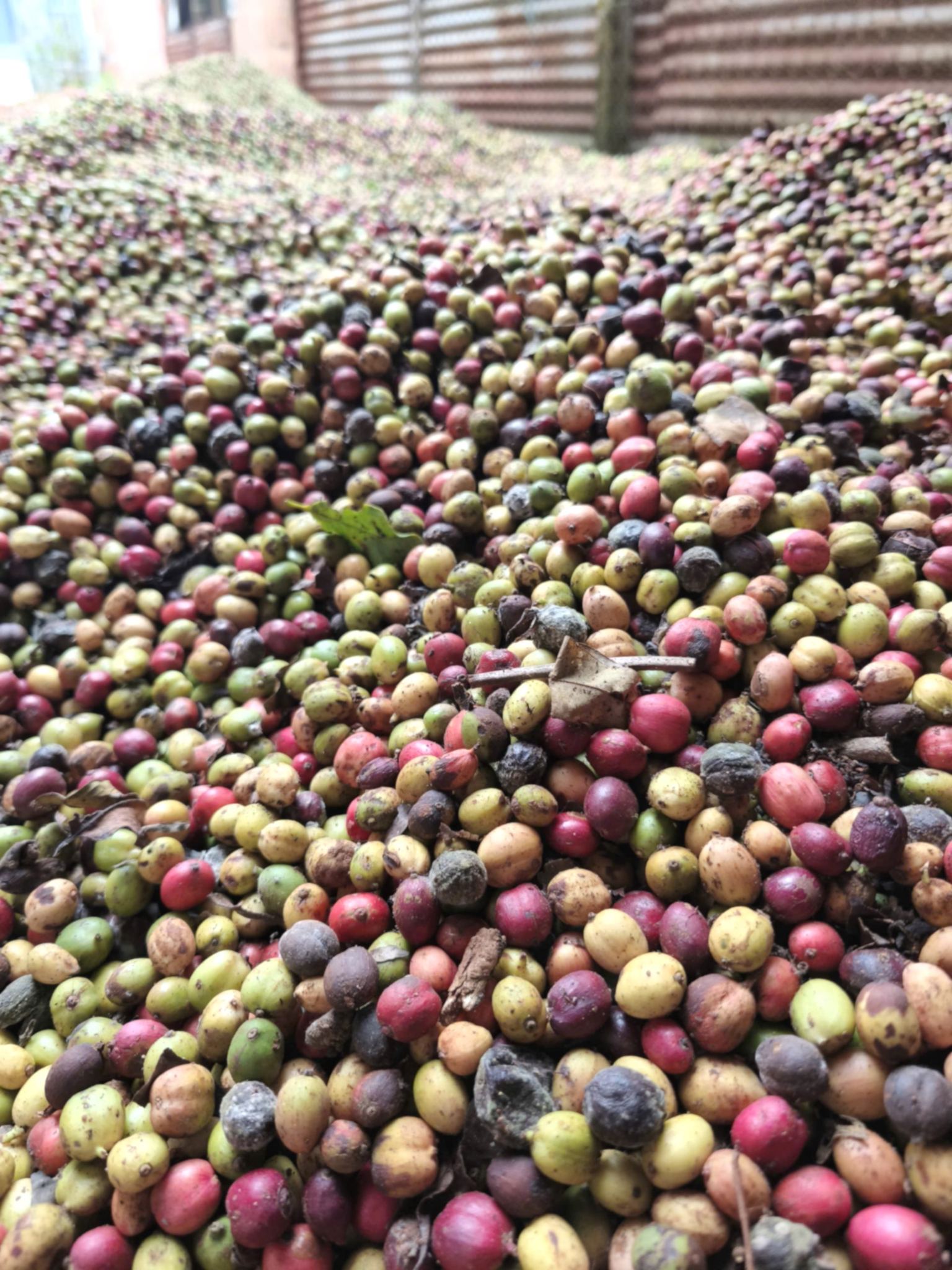
- Natural Process (Dry): The cherry is dried whole. This allows sugars to ferment the bean inside the fruit, creating intensely fruity, winey, and bold profiles. Example: A natural processed
Arabica Cầu Đấtis prized for its wild, unadulterated fruit notes. - Honey Process (Pulped Natural): The mucilage (honey) is left on the bean during drying. This introduces intense sweetness and body. Example:
Vietnam Robusta Honey Processed Coffeeis a high-demand specialty product that uses this method to mitigate Robusta’s harshness, making it bold and smooth with caramel undertones. - Anaerobic/Experimental: Fermenting the cherry in a sealed, oxygen-free environment. This creates highly exotic, complex, and memorable profiles (e.g., notes of cinnamon, whiskey, or specific fruit acids).
2. Specific Terroir and Altitude
Specialty sourcing is always about place.
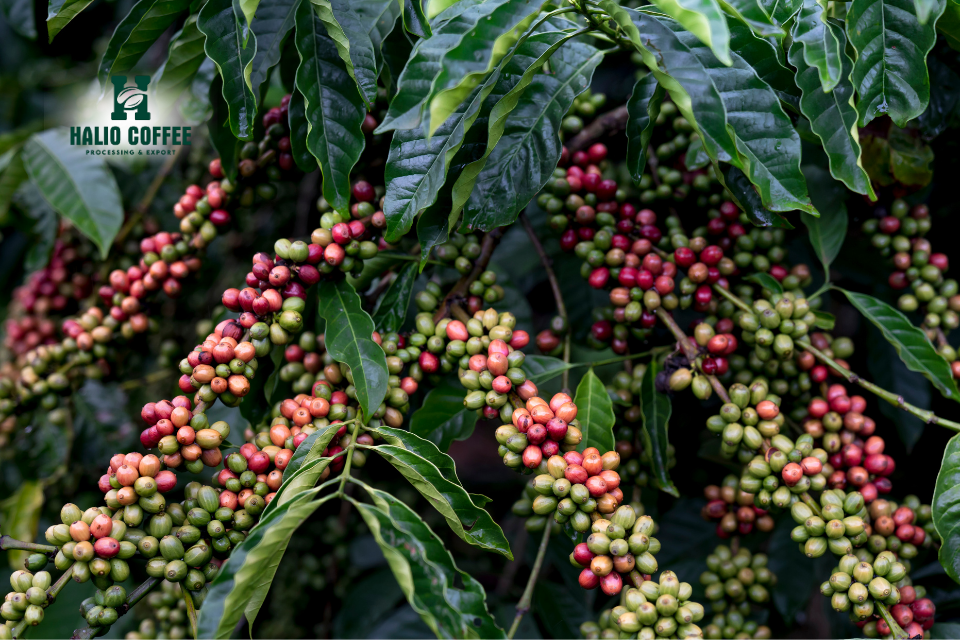
- Vietnam Arabica: The finest Arabica is consistently found in high-altitude zones like Lam Dong (Cầu Đất) and Son La, where cool temperatures and rich soil slow bean maturation, concentrating flavor compounds.
- Robusta Excellence: The best green coffee beans of the Robusta species often come from Dak Lak, where volcanic soil and intense sunlight are leveraged by sophisticated processors to create highly consistent lots like
Robusta Wet Polished, which guarantees shine and strength.
3. The Micro-Lot Strategy
Specialty volume is small. A true specialty lot is often under 100 bags (6 tons).
- The Problem: Shipping a small lot is logistically inefficient.
- The Solution: Buyers must collaborate with specialized importers or rely on their
green coffee bean suppliers(like Halio Coffee) to consolidate and ship these small, high-value lots together.
The Strategic Imperative: Vetting the Specialty Supplier
Partnering for specialty green coffee beans requires a supplier to prove capacity beyond standard commercial milling.
1. Verification of Processing Assets
- The Question: Does the supplier own or exclusively manage the assets required for specialty processing?
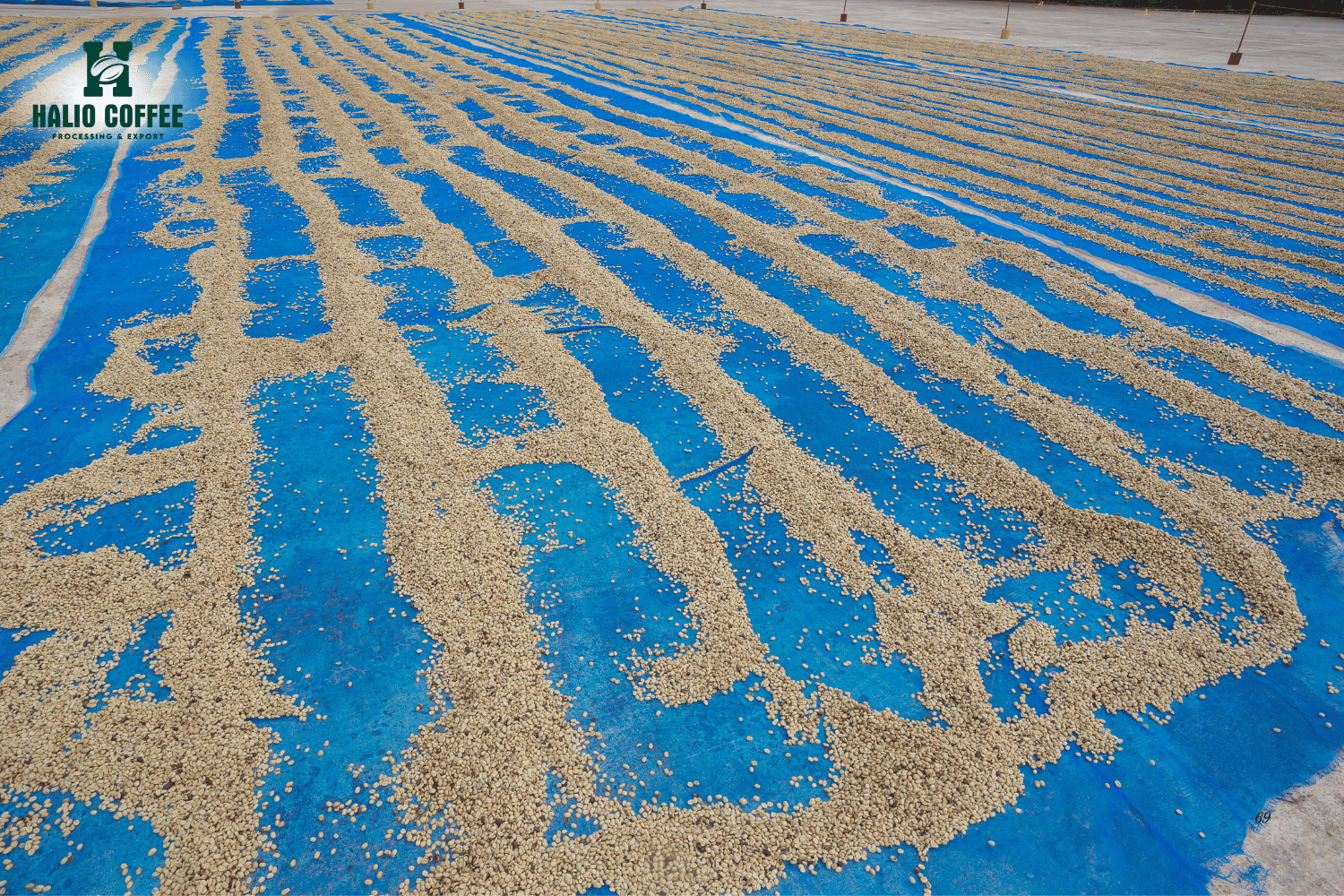
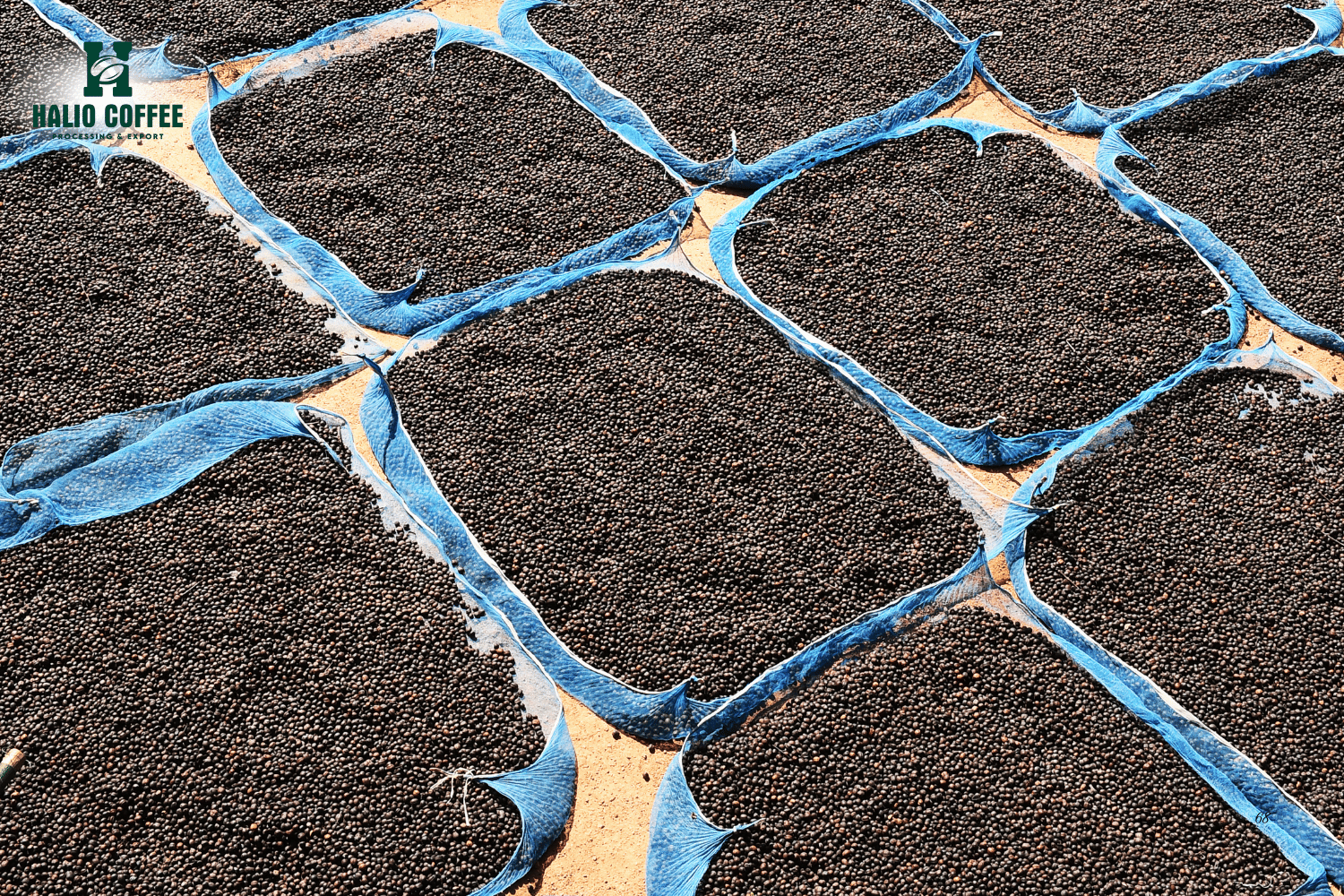
- The Requirement: They must have raised drying beds (essential for Naturals and Honeys) and low-volume mechanical dryers capable of precise, temperature-controlled finishing. Commodity mills cannot manage the delicate 20-25 day drying period required for high-scoring Naturals.
2. The Internal Control System (ICS)
The specialty sector requires flawless traceability.
- The Check: The supplier must demonstrate a robust ICS to prevent cross-contamination. Example: A supplier processing both Natural and Washed lots must segregate the coffee entirely, often storing them in separate temperature-controlled rooms.
- The Standard: A system that links the micro-lot number directly back to the specific farm plot, processing station, and drying day.
3. Sensory Capacity
- The Test: Does the supplier have a dedicated, certified Q-Grader or R-Grader on staff who can cup and score the coffee according to the international protocol?
- The Proof: A transparent supplier provides their own internal Cupping Score Sheet alongside the lot sample, using the 100-point system and detailing the flavor notes, aftertaste, and body.
The Buyer’s Protocol: The PSS for Specialty
The Pre-Shipment Sample (PSS) protocol is exponentially stricter for specialty green coffee beans.
1. The PSS Comparison Protocol
You must cup the PSS blind against the original, approved “Type Sample.”
- The Test: Look for “fade.” Has the coffee lost its delicate floral/fruity notes during storage? If the approved PSS scores 1.5 points lower than the Type Sample, the quality has degraded, and the lot should be renegotiated or rejected.
2. The Chemical Screen
Specialty lots often command higher prices, making them targets for fraud or mishandling.
- The Mandate: Require an independent Mycotoxin (OTA) screen for every specialty lot. Processing innovations (like Naturals) carry a slightly higher inherent risk for mold if the drying protocols fail.
- The Check: Verify that the supplier’s
Third-party Inspectionincluded sampling the specific specialty lot, not just the general commercial volume.
Red Flags: Warning Signs in the Specialty Market
The high premiums associated with specialty green coffee beans attract unscrupulous sellers. Be vigilant.
- 🚩 The “Impossible” Score: A supplier offers a coffee scored 90+ points at a price only 10% above the price of an 84-point commercial lot. This is usually fraudulent. True 90+ coffees are often priced as high as $30-$50/lb.
- 🚩 Unspecific Processing: A supplier claims a coffee is “Natural” but refuses to provide documentation on the drying period (e.g., they cannot confirm it was dried for 20-25 days on raised beds). This is often a generic natural lot that was floor-dried, increasing the risk of “earthy” taints.
- 🚩 Blending Rarity: A seller tries to sell you a “micro-lot blend” in a full container load. True micro-lots are small and scarce. If the volume is high, the quality integrity is diluted.
Conclusion: The Investment in Excellence
Sourcing specialty green coffee beans is the ultimate strategic investment in flavor and brand equity. It is the necessary evolution for any roaster looking to differentiate their product and escape the volatility of the commodity market.
Success hinges on partnering with a green coffee bean suppliers who operates with the rigor of a manufacturer, who understands the science of fermentation, and who can provide the transparent, verifiable data to back up every claim. It requires looking beyond the price and investing in the shared commitment to excellence with the producers.
We have now defined the highest potential product in the market. The final step is to translate all this knowledge—the grading, the safety, the price models, and the partnerships—into a definitive guide for market entry. How do you take the leap from theory to transaction?
Read Next: buy green coffee beans
- Coffee Prices Today, August 14: Robusta Surges Over $200/ton, Hits Two-Month High
- Vietnamese Arabica B Grade Coffee: An Essential Bridge in the Global Coffee Supply Chain
- Coffee Prices Today, Nov 26: Both Markets Rally Strongly; Robusta Surges Over $100/Ton
- Mastering the Procurement of Bulk Green Coffee Beans in 2026
- Coffee Price Today, August 6: Arabica Surges as U.S.–Brazil Tensions Escalate