The Birthplace of Flavor: A Strategic Guide to Sourcing Ethiopian Green Coffee Beans Wholesale
Dec
In our previous analysis, we explored the rigorous standards of organic raw coffee beans, defining the agricultural integrity required for the premium market. We mastered the certifications that guarantee purity. Now, we turn our attention to the origin that defines complexity.
For the specialty coffee roaster, no origin is more legendary, more diverse, or more essential than Ethiopia. It is the genetic birthplace of Arabica. Sourcing Ethiopian green coffee beans wholesale is not just a transaction; it is an act of curation. It is the pursuit of floral aromatics, bright citric acidity, and the unique, tea-like elegance that no other origin can replicate.
However, Ethiopia is also one of the most complex origins to navigate logistically and commercially. The Ethiopian Commodity Exchange (ECX), the fragmented smallholder system, and the fluctuating political landscape create a challenging environment for the uninitiated buyer.
This guide is your expert manual for navigating this complexity. We will deconstruct the famous regions (Yirgacheffe, Sidama, Guji), analyze the unique “Heirloom” varietals, and provide a strategic framework for sourcing these high-value beans at scale. We will show you how to integrate Ethiopian coffee into a diversified portfolio alongside reliable powerhouses like Vietnam, creating a balanced, high-margin offering.
The Ethiopian Paradox: Why Sourcing is Different
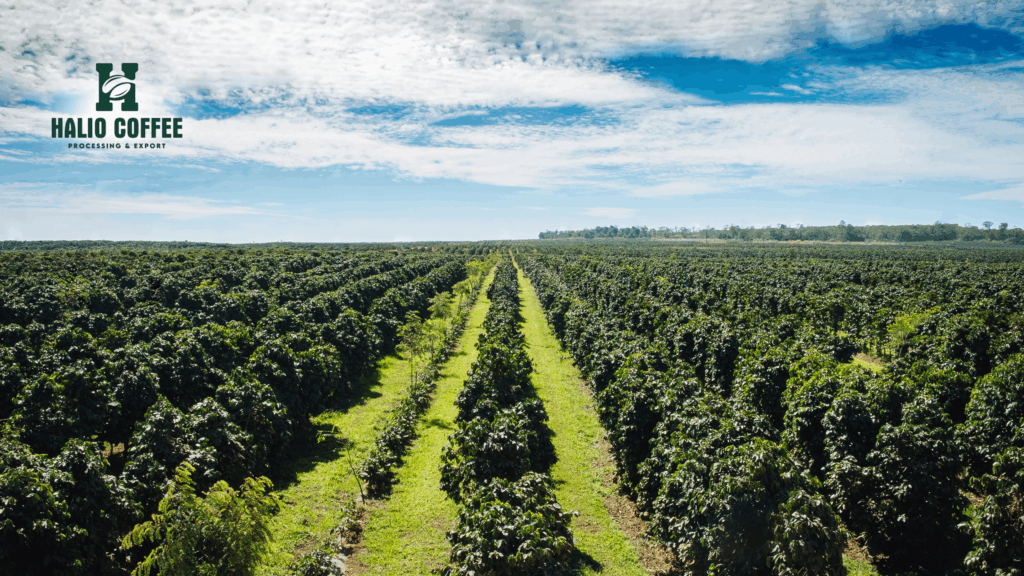
To source effectively, you must understand why Ethiopia is unique. Unlike Vietnam or Brazil, where coffee is grown on organized estates or large farms, Ethiopian coffee is grown by millions of smallholders in “Garden Coffee” systems.
1. The “Heirloom” Factor
In Vietnam, you buy “Catimor” or “Robusta.” In Ethiopia, you buy “Heirloom.”
- The Biology: Ethiopia is home to thousands of wild Arabica varieties, many of which have never been genetically cataloged.
- The Flavor: This genetic diversity creates a flavor spectrum that is impossible to replicate elsewhere. A single bag of Ethiopian green coffee beans wholesale might contain 50 different genetic sub-varieties. This is the source of its legendary complexity (jasmine, bergamot, blueberry).
- The Challenge: Consistency. Because the genetics vary, the cup profile can shift from bag to bag if not meticulously graded.
2. The ECX vs. Direct Trade
Historically, all coffee had to pass through the Ethiopian Commodity Exchange (ECX), where it was anonymized and sold by grade.
- The Shift: Recent reforms now allow for Vertical Integration. Exporters can now buy directly from washing stations and sell directly to international buyers. This has opened the door for true traceability, similar to the direct trade models we see emerging in Vietnam with suppliers like Halio Coffee.
Decoding the Regions: A Buyer’s Map to Ethiopian Terroir
When you browse a wholesale offer list, you will see famous names. You must know what they mean for the cup profile.
1. Yirgacheffe (The Floral Queen)
- Profile: Intense floral aromatics (jasmine, honeysuckle), bright citric acidity (lemon, lime), and a light, tea-like body.
- Processing: Famous for Washed coffees that highlight clarity.
- Use Case: Single-origin pour-overs and the “top note” in high-end blends.
2. Sidama (The Diverse Giant)
- Profile: Diverse. Ranges from creamy, citrusy washed coffees to heavy-bodied, berry-forward naturals.
- Processing: Both Washed and Natural are common.
- Use Case: Versatile. High-grade Sidama is a single-origin star; standard grades are excellent blend bases.
3. Guji (The Rising Star)
- Profile: Often distinct from Sidama (though historically part of it). Known for immense sweetness, complex fruit notes (peach, melon), and a unique “spicy” character.
- Processing: Produces some of the world’s finest Natural processed coffees.
- Use Case: The “fruit bomb” espresso or filter coffee that converts customers to specialty.
4. Harrar (The Wild Card)
- Profile: Dry-processed (Natural). Famous for intense blueberry, winey, and chocolate notes. Can be “wild” and earthy.
- Use Case: The classic “Mocha” component in a Mocha-Java blend.
Processing Perfection: Washed vs. Natural in Ethiopia
Just as we saw with Halio Coffee’s Honey and Wet Polished options in Vietnam, processing defines the value of Ethiopian coffee.
1. The Ethiopian Washed Process
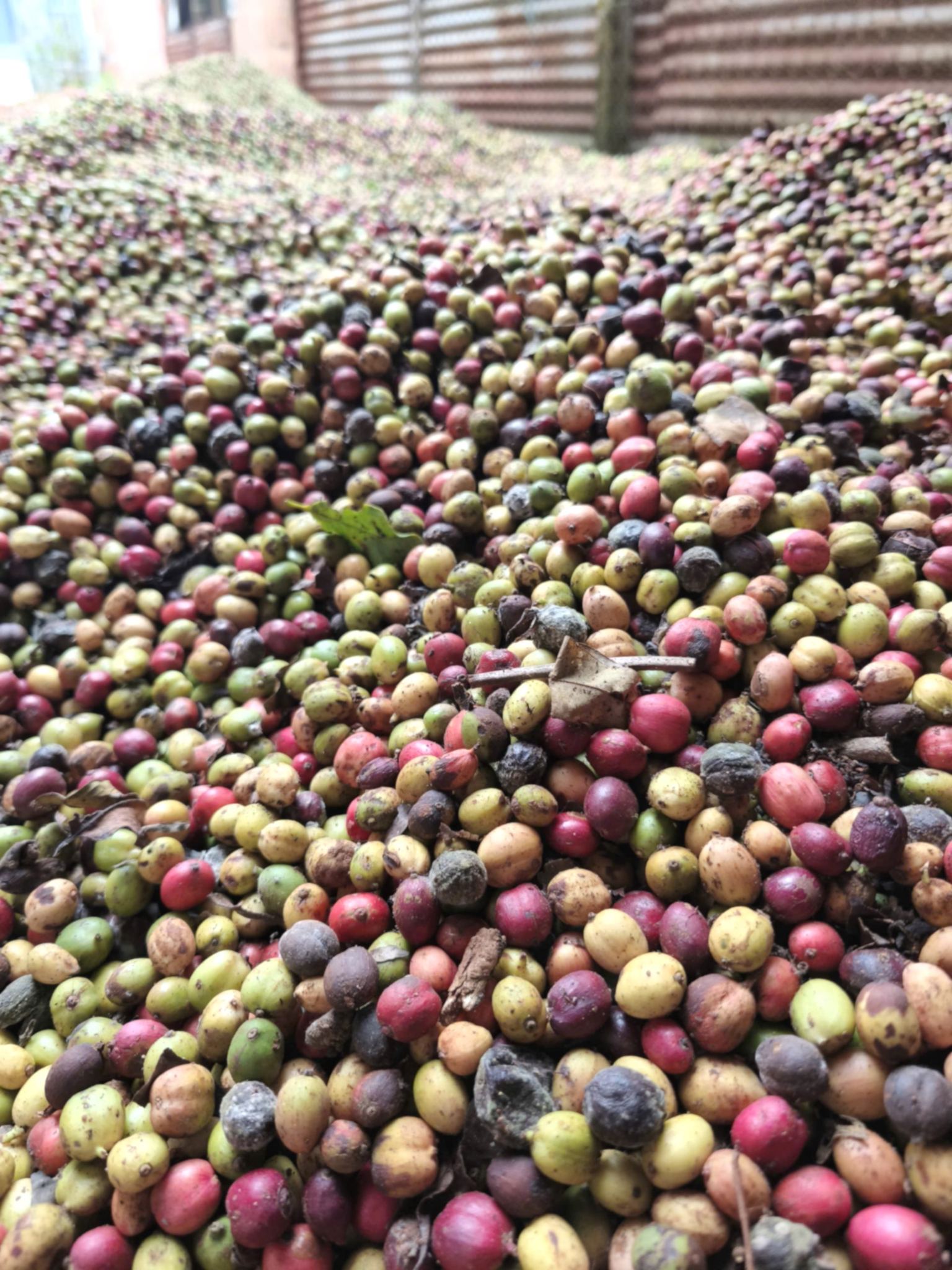
- Method: Cherries are pulped, fermented underwater (often for 36-72 hours), washed, and dried on raised beds.
- Result: Clarity. The cup is clean, bright, and articulate.
- Buying Tip: Look for “Grade 1” or “Grade 2” Washed. These are the specialty standards.
2. The Ethiopian Natural Process
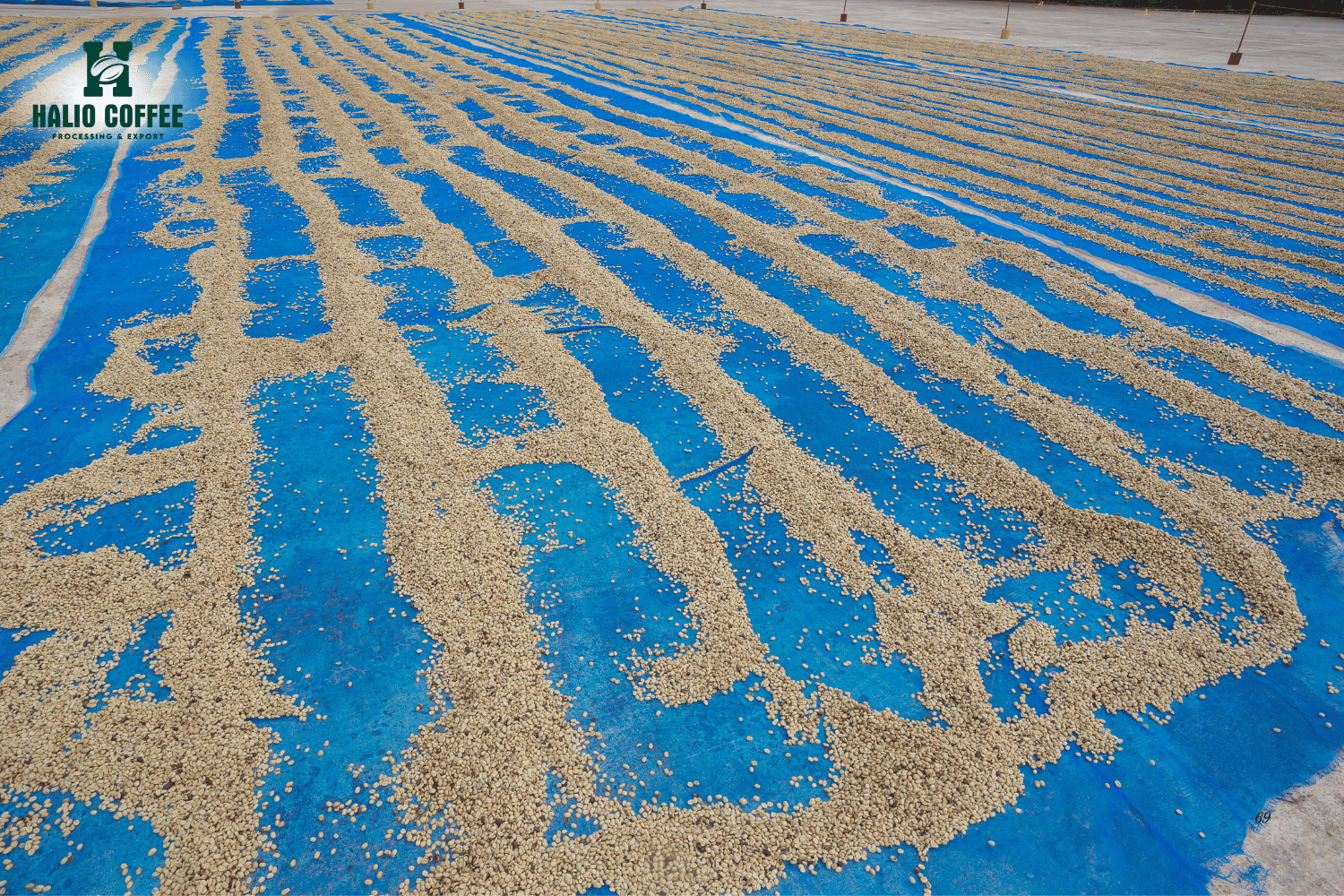
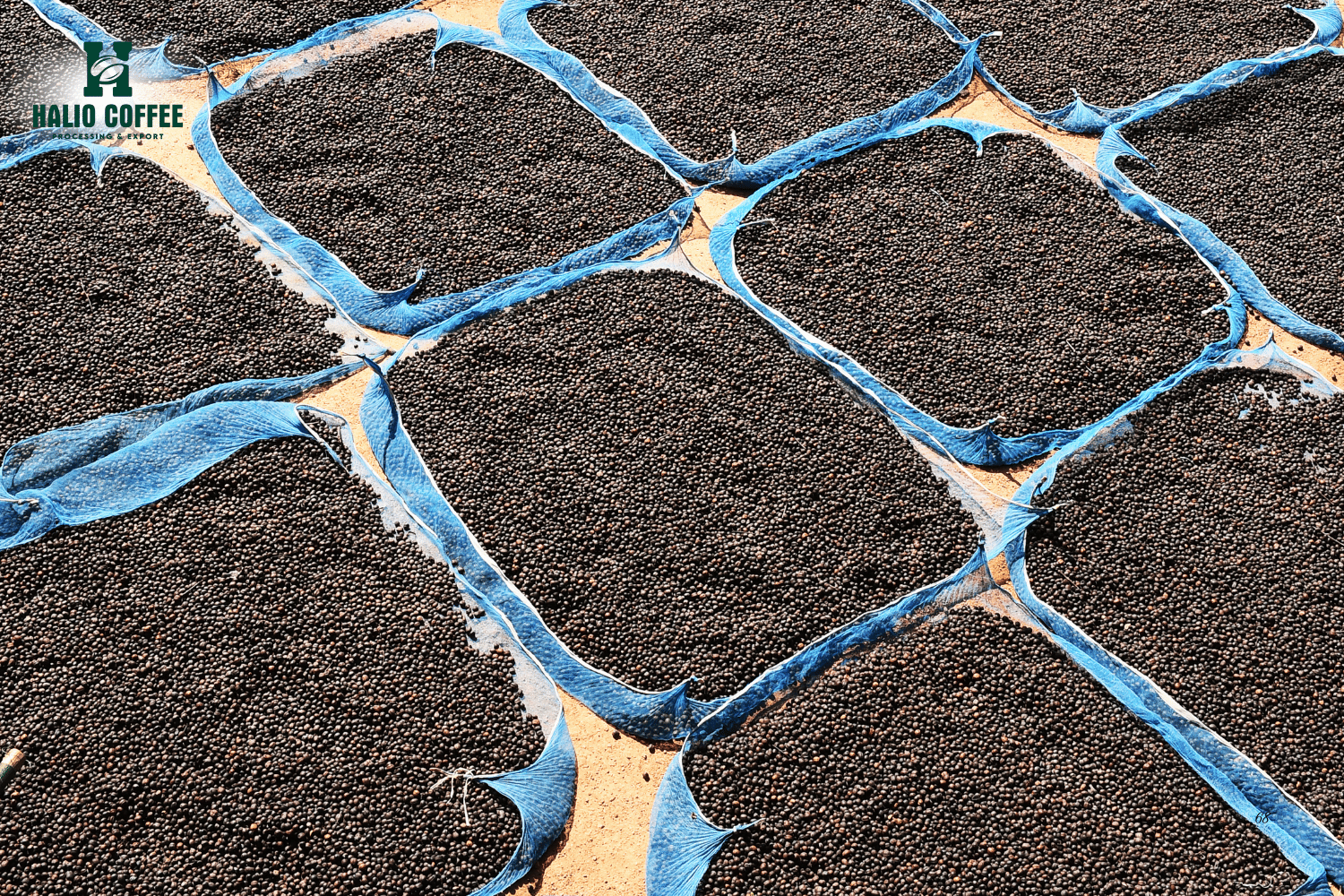
- Method: Whole cherries are dried on raised African beds for up to 21 days. They are turned constantly to prevent mold.
- Result: Fruitiness. The cup is heavy, sweet, with notes of strawberry, blueberry, and jam.
- Buying Tip: Look for “Grade 1” or “Grade 3” Natural. (Note: Grade 3 Natural is often the specialty equivalent of Grade 2 Washed in terms of market position).
Strategic Sourcing: Building a Balanced Portfolio
A successful roaster cannot live on Ethiopia alone. It is too expensive and too delicate. The secret to profitability is blending.
The “High-Low” Strategy
Use expensive Ethiopian green coffee beans wholesale as the “flavor driver” and cost-effective, high-quality beans from other origins as the “body builder.”
The Perfect Blend Partner: Vietnam
- The Gap: Ethiopian coffee is acidic and light-bodied. It lacks the crema and punch required for modern espresso.
- The Solution: Blend 30% Ethiopia (for floral/fruit notes) with 70% Vietnam Robusta or Arabica.
- Partner Option 1:
Robusta Wet Polished. Its “clean, refined finish” and “bold body” provide the perfect structural base for the delicate Ethiopian aromatics. - Partner Option 2:
Arabica Lam Dong Fully Washed. Its “clean, crisp acidity” complements the Ethiopian profile while lowering the overall Cost of Goods Sold (COGS).
- Partner Option 1:
The Math:
- Ethiopian Washed Yirgacheffe: $5.50/lb
- Vietnam Robusta Clean: $2.50/lb
- 50/50 Blend Cost: $4.00/lb.
- Result: You create a unique, high-margin blend that is stable, crema-rich, and complex.
A Buyer’s Checklist: Vetting Ethiopian Suppliers
Sourcing from Ethiopia carries risk. Use this audit to protect your investment.
1. The “Grade” Verification
- Question: “Is this Grade 1 or Grade 2?”
- The Standard: In Ethiopia, Grade 1 allows fewer than 3 defects. Grade 2 allows 4-12. Grade 4 and 5 are commercial.
- The Trap: Buying Grade 4 and expecting specialty flavor. You must buy Grade 1 or 2 for single-origin retail.
2. The Moisture Audit
- Question: “What is the water activity?”
- The Standard: Like all green coffee, it must be 10.0% to 12.5%. Ethiopian Naturals are prone to uneven drying. High water activity (>0.60) means the “blueberry” note will fade to “cardboard” in 3 months.
3. The Shipment Period
- The Timing: Ethiopian harvest is later than Vietnam. New crop usually ships April-July.
- The Strategy: Do not buy “Spot” Ethiopia in February unless you know it is well-stored. It is likely old crop.
4. The Bagging
- Requirement: Always demand GrainPro or Ecotact liners. The delicate floral notes of Yirgacheffe oxidize rapidly. Jute-only is a dealbreaker.
Red Flags: When to Walk Away
- 🚩 “Generic” Ethiopia: A supplier offers “Ethiopian Coffee” without specifying Region (Sidama/Yirgacheffe) or Grade. This is low-grade commodity filler.
- 🚩 The Potato Defect (PTD): While rare in Ethiopia (common in Rwanda/Burundi), it can happen. If a sample tastes like raw potato, reject the entire lot.
- 🚩 Cheap Naturals: A “Grade 1 Natural” offered at a commercial price is suspect. Producing clean Grade 1 Naturals requires immense labor. It is likely a lower grade mislabeled.
Conclusion: The Art of the Portfolio
Sourcing Ethiopian green coffee beans wholesale is the mark of a mature coffee program. It signals a commitment to the highest echelons of flavor. But it is not a standalone strategy.
The most successful coffee businesses use Ethiopia as the crown jewel, supported by a robust foundation of reliable, high-quality partners from origins like Vietnam. By combining the exotic complexity of Ethiopia with the consistent, polished excellence of suppliers like Halio Coffee, you build a menu that satisfies every customer and a margin structure that sustains your business.
We have now covered the spectrum of green coffee, from the robust foundation of Vietnam to the floral heights of Ethiopia. But as any trader knows, the market never sleeps. The price you pay today is not the price you pay tomorrow.
To navigate the future, you must understand the financial currents that move the market. You must return to the fundamental metric that governs all trade.
It is time to revisit the green coffee beans price.
- Sustainable Vietnamese Arabica: A Rising Force in the Global Coffee Industry
- A Consultant’s Guide to Visiting Coffee Farms in Vietnam
- Direct Trade Coffee Vietnam: A Transparent and Sustainable Approach to Green Bean Sourcing
- Mastering the Art of the Green Bean Roaster
- Coffee Prices Today, September 17: Cooling Down After Strong Rally