The Collective Power: A 2026 Strategic Analysis of Coffee Cooperatives
Jan
In the fragmented landscape of global coffee production, coffee cooperatives act as the essential bridge between millions of smallholder farmers and the international market. As we analyze the 2026 market—defined by “structural vulnerability” and rigorous new traceability mandates—the role of the cooperative has shifted from a simple aggregator to a sophisticated compliance and logistics partner.
This analysis synthesizes current market data to evaluate the strategic importance of sourcing from coffee cooperatives in the current economic climate.
1. Defining the Coffee Cooperative in 2026
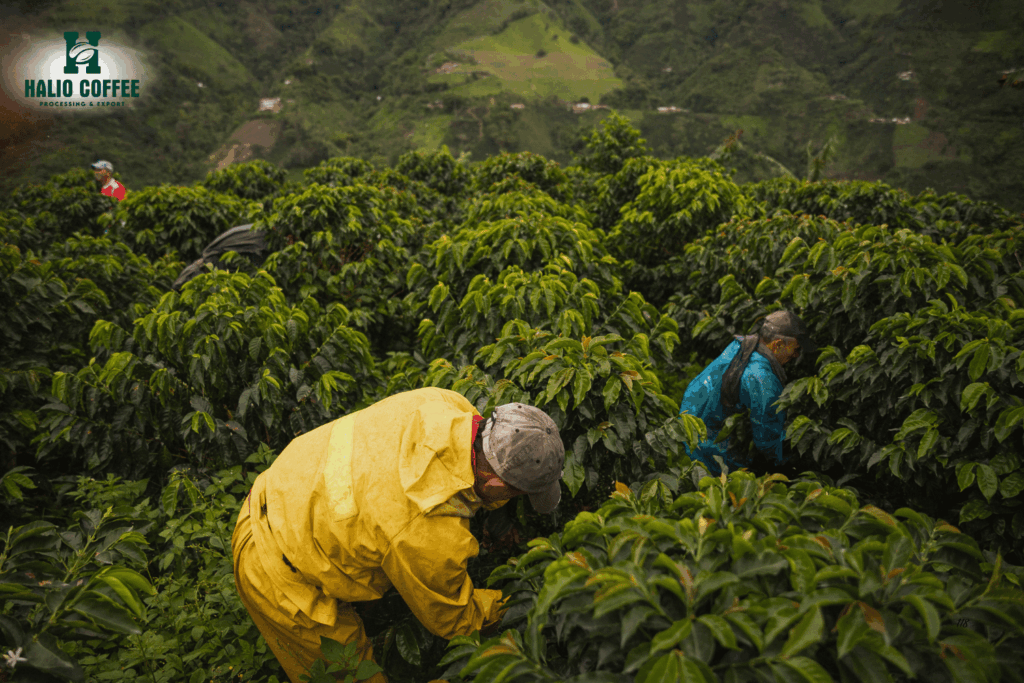
A coffee cooperative is a member-owned entity that aggregates the production of individual farmers to achieve economies of scale. In origins like Vietnam and Ethiopia, where production is dominated by smallholders (often farming less than 2 hectares), cooperatives are the only mechanism capable of delivering industrial volume.
The Aggregation Engine
- Volume Management: In Vietnam, cooperatives are currently managing a massive influx of supply. With the new harvest trading 18% lower than last year (at 97,500 – 98,300 VND/kg), cooperatives play a critical role in stabilizing local prices by controlling the flow of goods to exporters, preventing a total market collapse from “aggressive selling”.
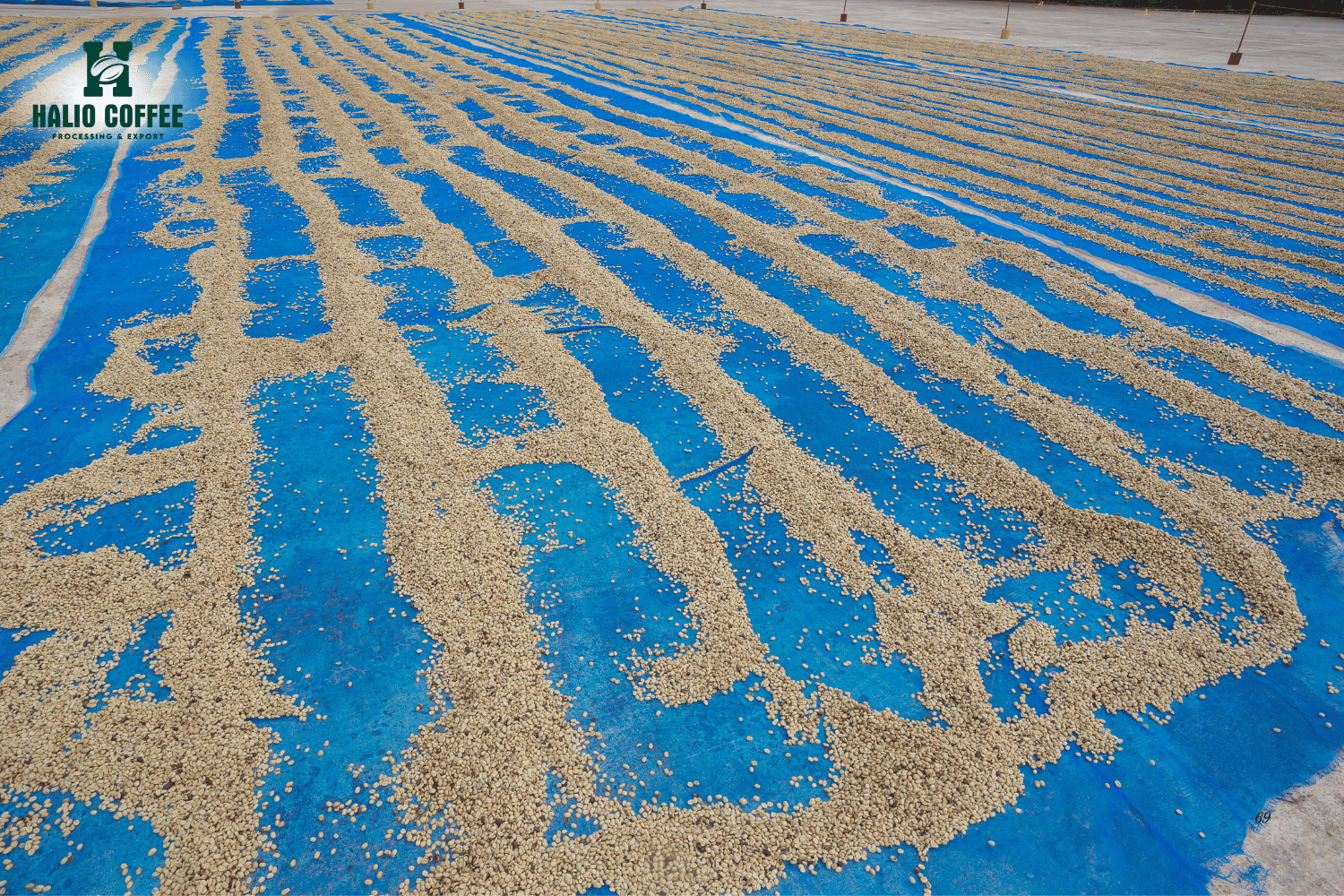
- Processing consistency: Unlike individual farmers who may dry coffee on patios of varying quality, advanced cooperatives invest in centralized wet mills and drying facilities. This allows them to produce consistent Grade 1 specifications that compete with private estates.
2. The Strategic Value of Cooperatives: Compliance & Resilience
In 2026, the primary value proposition of a cooperative is its ability to manage traceability at scale.
EUDR Compliance Nodes
With traceability regarding origin becoming a standard requirement for both premium and mass markets, cooperatives are uniquely positioned to gather the necessary data.
- Geolocation: Cooperatives maintain the membership registries required to map thousands of small farms. For a buyer, sourcing from a cooperative provides a single point of entry for EUDR (EU Deforestation Regulation) compliance data, rather than chasing thousands of individual farmers.
Climate Resilience
Cooperatives are the frontline defense against climate shocks.
- Resource Sharing: In Brazil, where heatwaves are threatening the 2026 Arabica crop, cooperatives provide agronomic support and financing for irrigation systems that individual farmers could not afford.
- Replanting Investment: With production potential in traditional regions declining, cooperatives fund the costly but necessary work of replanting with climate-resilient varieties.
3. Sourcing Dynamics: Cooperatives vs. Private Exporters
For the international buyer, choosing between a cooperative and a private exporter involves a trade-off between social impact and logistical speed.
| Feature | Coffee Cooperative | Private Exporter/Manufacturer |
| Price Structure | Often higher (returns value to farmer) | Competitive (focused on margin) |
| Traceability | High (Direct link to member) | Variable (Depends on collection network) |
| Flexibility | Lower (Decision by committee) | High (Quick commercial decisions) |
| Impact | Direct support to community | Employment & Infrastructure |
Strategic Advice: In the current market, where Vietnam’s exports have surged 51.9%, private manufacturers like Halio Coffee often offer faster logistics. However, cooperatives offer a “story” and traceability guarantee that is essential for specialty and certified (Fair Trade/Organic) portfolios.
4. The 2026 Outlook for Cooperatives
The “structural vulnerability” of the global supply chain means that the industry is moving toward long-term supply relationships rather than spot trading.
- Professionalization: Cooperatives are increasingly investing in “on-site processing” and developing national brands to capture more value.
- Market Power: By organizing, farmers in regions like Indonesia (facing a 15% export drop due to floods) can better negotiate differentials during times of scarcity.
Conclusion: The Essential Partner
Sourcing from coffee cooperatives in 2026 is a strategic hedge against regulatory risk and supply volatility. While they may not always offer the lowest spot price compared to the current 18% dip in the private commercial market, they offer the data integrity and long-term stability required for a resilient supply chain.
As you refine your sourcing strategy, the next logical step is to understand the specific processing methods that these cooperatives use to add value.
Would you like to explore “Washed vs Natural coffee processing” to understand how these methods impact price and cup profile?
- Coffee Prices Today, September 3: Sharp Decline for the Second Consecutive Day
- The Strategic Role of Green Coffee Wholesalers: A 2026 Market Analysis and Sourcing Guide
- The Organic Premium: A Deep Dive into the Vietnam Organic Green Coffee Price EU
- The Taste of Place: An In-Depth Guide to Vietnam Coffee Terroir and Flavor Profiles
- Coffee Prices Today, October 15th: Arabica Surges While Robusta Reverses and Declines