The Crown Jewel of Commerce: Sourcing and Valuing Arabica Green Coffee Beans
In our previous strategic analysis of raw coffee beans suppliers, we established the critical importance of vetting partners who possess operational integrity, traceability systems, and financial resilience. We identified the supply chain as the delivery mechanism for value. Now, we must turn our attention to the product that commands the highest value within that chain: arabica green coffee beans.
While Robusta powers the world’s instant coffee and espresso blends, Arabica is the currency of the specialty market. It is the species that drives innovation, commands the highest differentials, and captivates the modern consumer. But sourcing Arabica is not a monolithic task. It is a nuanced pursuit of terroir, altitude, and processing precision.
For the professional B2B buyer, understanding arabica green coffee beans requires moving beyond the simple “100% Arabica” marketing slogan. It demands a technical mastery of the bean’s genetics, the impact of elevation on density, and the specific flavor profiles emerging from new origins like Vietnam and Laos.
This guide is your definitive technical manual for sourcing Arabica. We will dissect the biological drivers of quality, explore the emerging high-altitude terroirs of Southeast Asia, and provide a rigorous framework for evaluating these high-value beans before you commit to a contract.
The Biology of Value: What Makes Arabica Different?
To source effectively, you must understand the biological machinery of the bean. Arabica green coffee beans (Coffea arabica) differ from Robusta (Coffea canephora) in fundamental ways that dictate their price and handling.
1. The Chromosome Count (Genetic Complexity)
Arabica is the only tetraploid coffee species, possessing 44 chromosomes (compared to Robusta’s 22).
- The Result: This genetic complexity translates directly into flavor complexity. It allows for a broader spectrum of enzymatic reactions during roasting, creating the delicate floral, fruity, and acidic notes that define the specialty market.
- The Sourcing Implication: You are paying for flavor potential. A “neutral” Arabica is a failed Arabica.
2. The Sugar and Lipid Content
Arabica beans contain approximately 60% more lipids and almost twice the concentration of sugars (sucrose) than Robusta.
- The Result: Higher acidity (brightness) and a smoother, sweeter mouthfeel.
- The Sourcing Implication: This chemistry makes the bean more sensitive to heat and aging. Arabica green coffee beans fade faster than Robusta. Storage conditions (GrainPro liners, temperature control) are non-negotiable for preserving this investment.
3. The Altitude Requirement
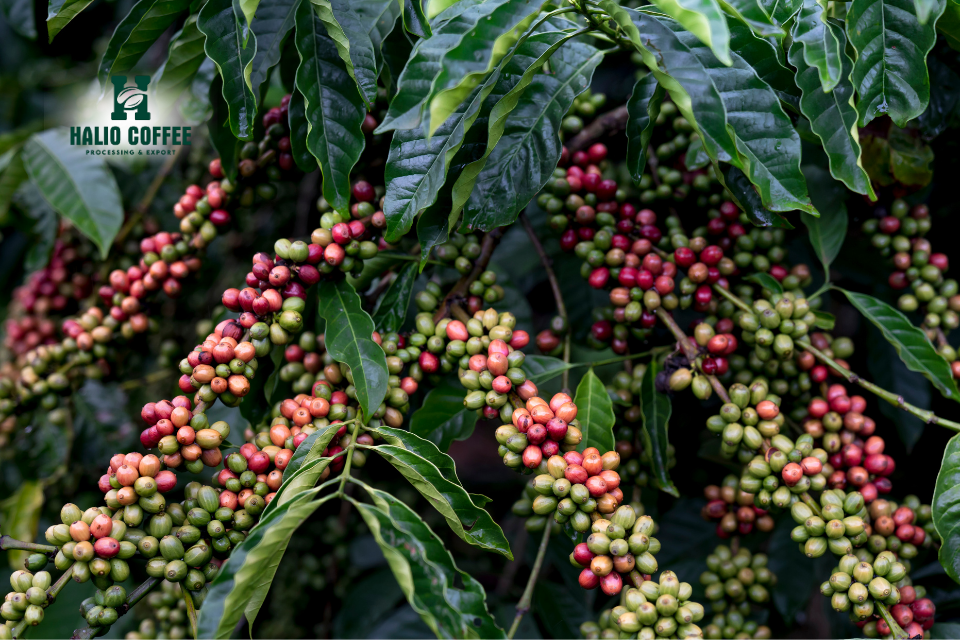
Arabica is physically incapable of thriving in the low-altitude heat where Robusta flourishes. It demands cooler temperatures (15-24°C) found at higher elevations.
- The “Hard Bean” Factor: High altitude slows the cherry maturation process. This stress creates a denser, harder bean (“Strictly Hard Bean” or SHB).
- The Sourcing Implication: Density is a proxy for quality. When sourcing, always ask for the altitude. A “Low Grown” Arabica (under 1,000m) will lack the density to sustain a complex roast profile.
The New Frontier: Sourcing Arabica in Southeast Asia
For decades, the conversation about arabica green coffee beans was dominated by Latin America and East Africa. That narrative is outdated. Vietnam and Laos are rapidly emerging as sources of high-quality, distinct Arabica profiles that offer exceptional value and diversity.
1. Vietnam: The Lam Dong (Da Lat) Powerhouse
Vietnam is famous for Robusta, but its Arabica sector in Lam Dong province is a hidden giant.
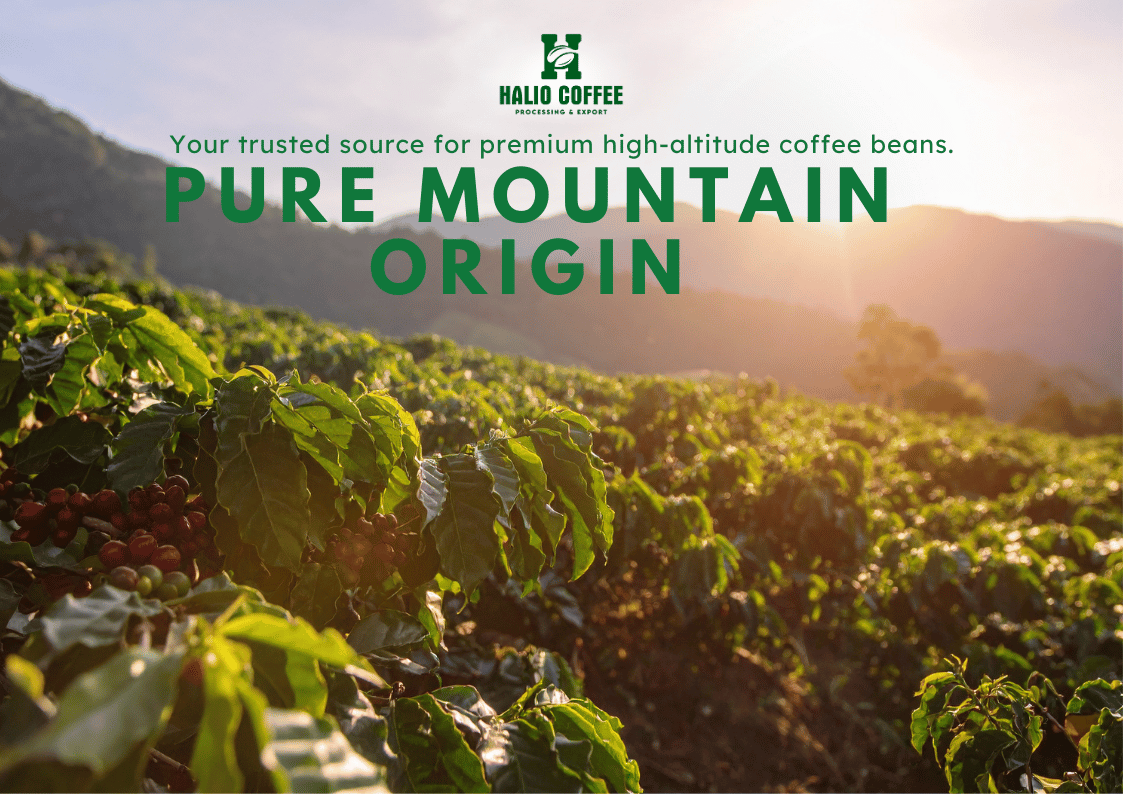
- The Terroir: Centered around Da Lat and Cầu Đất, farms sit at 1,400 to 1,600 meters above sea level. This is genuine high-altitude terroir.
- The Profile: Suppliers like Halio Coffee Co., Ltd are producing
Arabica S18 Fully Washedlots that defy stereotypes.- Flavor: “Bright floral and citrus notes” with “clarity in the cup”. This clean, washed profile competes directly with Central American milds.
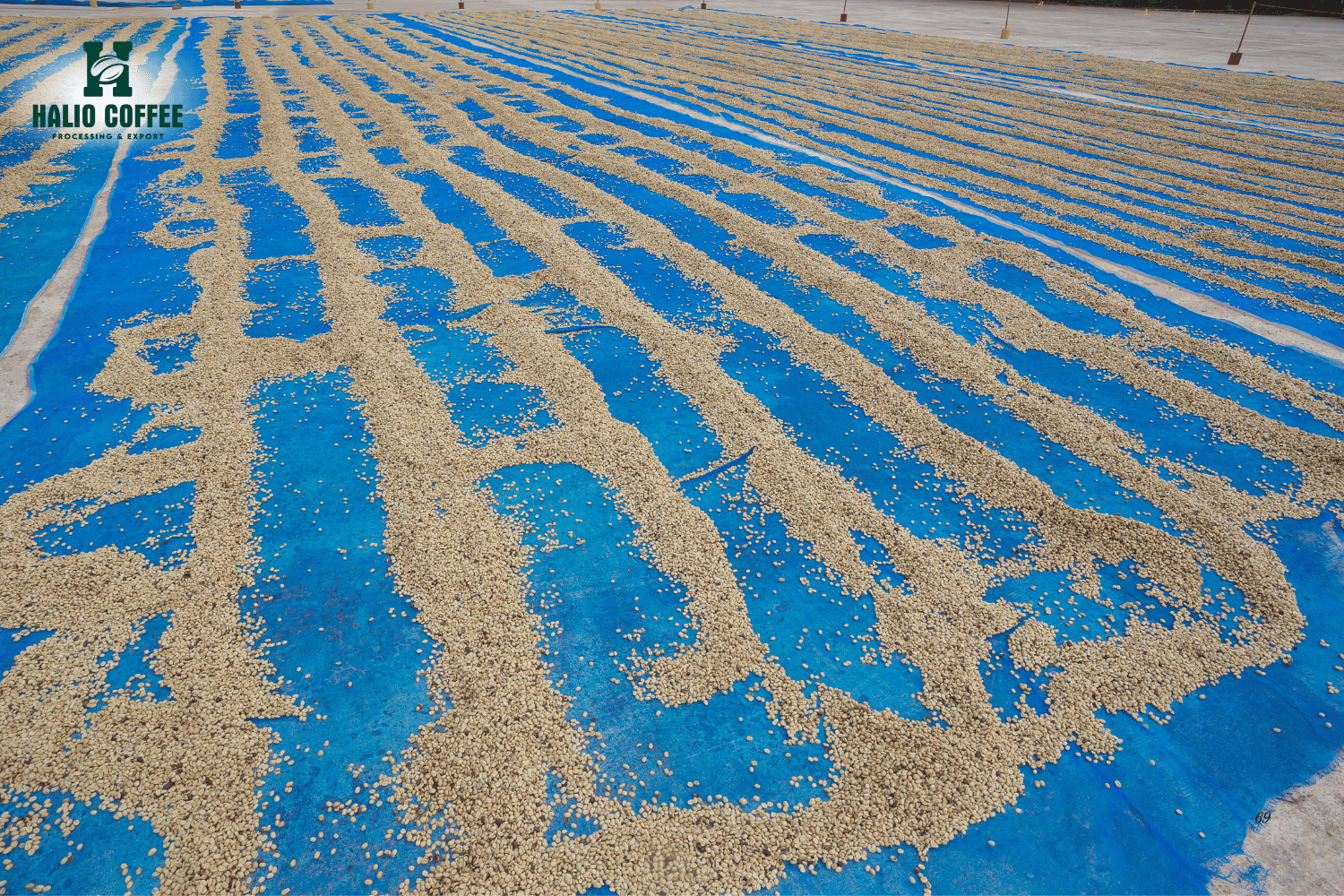
- Processing: Advanced “Fully Washed” methods remove mucilage through fermentation, enhancing acidity and cleanliness.
- The Innovation: Producers are also experimenting with
Arabica Naturalprocessing. Halio’s Cầu Đất Natural offers a “wildly distinct” profile with “bold sweetness” and “rich fruit notes” of red berries and dark honey. This caters to the modern demand for exotic, fruit-forward espressos.
2. Vietnam: The Northern Highlands (Son La)
Far to the north, the province of Son La is carving out a niche for crisp, clean Arabica.
- The Terroir: Altitudes of 1,000–1,400 meters with a distinct winter season.
- The Profile:
Arabica Son La Full Washedis characterized by “bright, crisp acidity” and unique notes of “citrus zest, green tea, and sugarcane.” This tea-like body makes it an excellent candidate for filter blends.
3. Laos: The Volcanic Bolaven Plateau
Cross-border sourcing is a strategic move for diversity.
- The Terroir: The CBU region of Southern Laos boasts volcanic soil and altitudes of 1,000–1,300 meters.
- The Profile:
Arabica Lao Fully Washedoffers a “smooth, medium body” with “mild acidity” and comforting notes of “brown sugar, almond, and soft stone fruit”. It is a versatile, crowd-pleasing origin.
A Technical Checklist for Evaluating Arabica Green Coffee Beans
When you are offered a lot of arabica green coffee beans, you must audit it against specific technical standards. Use this checklist to separate specialty grade from commercial filler.
1. Screen Size Distribution
Arabica beans are graded by size, which correlates to market value and roasting uniformity.
- Screen 18 (7.1mm): The premium “Jumbo” size. Look for
Screen 18orS18in the offer list. - Screen 16 (6.3mm): The standard specialty size.
- The Audit: A sample labeled “Screen 18” should have a minimum of 90-95% retention on the #18 sieve. If it contains a high percentage of smaller beans, it is a blend, not a grade.
2. The Defect Count (SCA Standard)
The Specialty Coffee Association (SCA) defines “Specialty Grade” as having Zero Primary Defects and Max 5 Full Defects per 350g.
- Halio’s Standard: A top-tier supplier will list specifications like
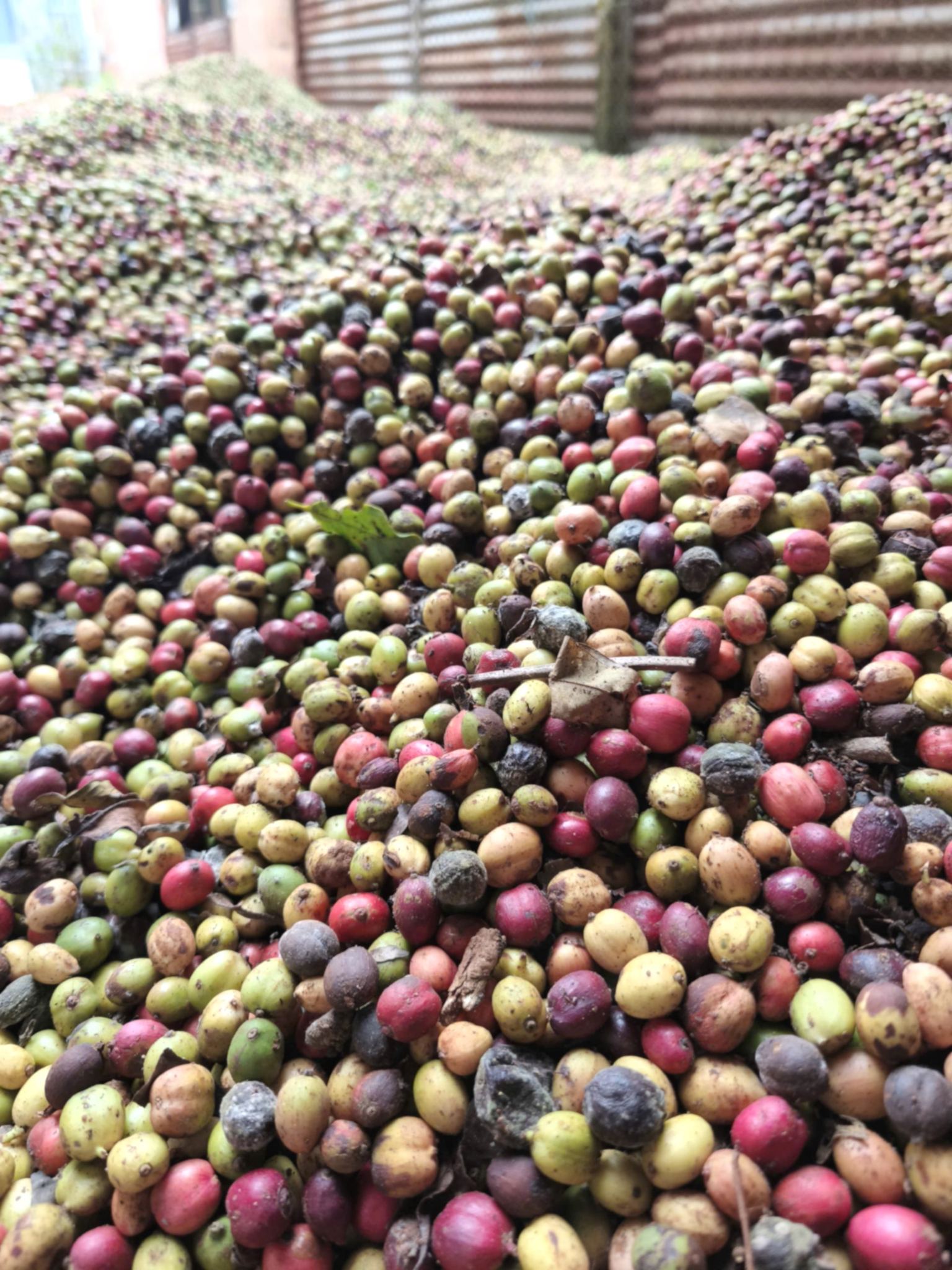
Black beans: max 0.1%andForeign matter: max 0.1%. This effectively meets or exceeds the commercial “Grade 1” standard. - The “Quaker” Risk: In Arabica, the most insidious defect is the “Quaker” (unripe bean). It is invisible in green form but tastes like peanuts when roasted. The only defense is sourcing from suppliers who guarantee a
Ripe Cherry Rate: ≥ 98%or≥ 90%.
3. Moisture and Water Activity
Arabica is more susceptible to mold than Robusta.
- Moisture: Must be 10.0% to 12.5%.
- Water Activity (aw): Ideally below 0.60 to prevent microbial growth and preserve flavor longevity.
Processing as a Flavor Driver
When sourcing arabica green coffee beans, you are buying a process as much as a bean.
- Washed (The Purist): The standard for high-end Arabica. It removes the fruit variable, allowing the altitude and soil to speak. Ideal for “Single Origin” offerings where clarity is key.
- Natural (The Fruit Bomb): By drying the cherry whole, the bean absorbs sugars and esters. This creates the “winey” and “berry” notes found in Halio’s
Cầu Đất Arabica Natural. These lots are often used as the “exotic” component in a blend or a limited-release filter coffee. - Honey: A middle ground, offering the body of a natural with the clarity of a washed.
The Consultant’s Advice: A diversified roastery needs both. Use the clean, washed lots (Lam Dong/Son La) as the anchor for your house blends, and use the Natural/Honey lots for seasonal specials to drive engagement.
Red Flags: How to Spot Low-Grade Arabica
- 🚩 “Catimor” without Context: While Catimor is the dominant variety in Vietnam, it varies wildly in quality. If a supplier sells “Catimor” without specifying altitude (e.g., >1,400m) or processing (e.g., Fully Washed), assume it is a low-altitude commercial lot with herbal/woody notes. High-altitude Catimor can be excellent; low-altitude Catimor is often flat.
- 🚩 The “Earthy” Note: High-quality Arabica should never taste earthy. Earthiness is a defect in Arabica (unlike in some Robustas). It indicates drying on the ground or mold.
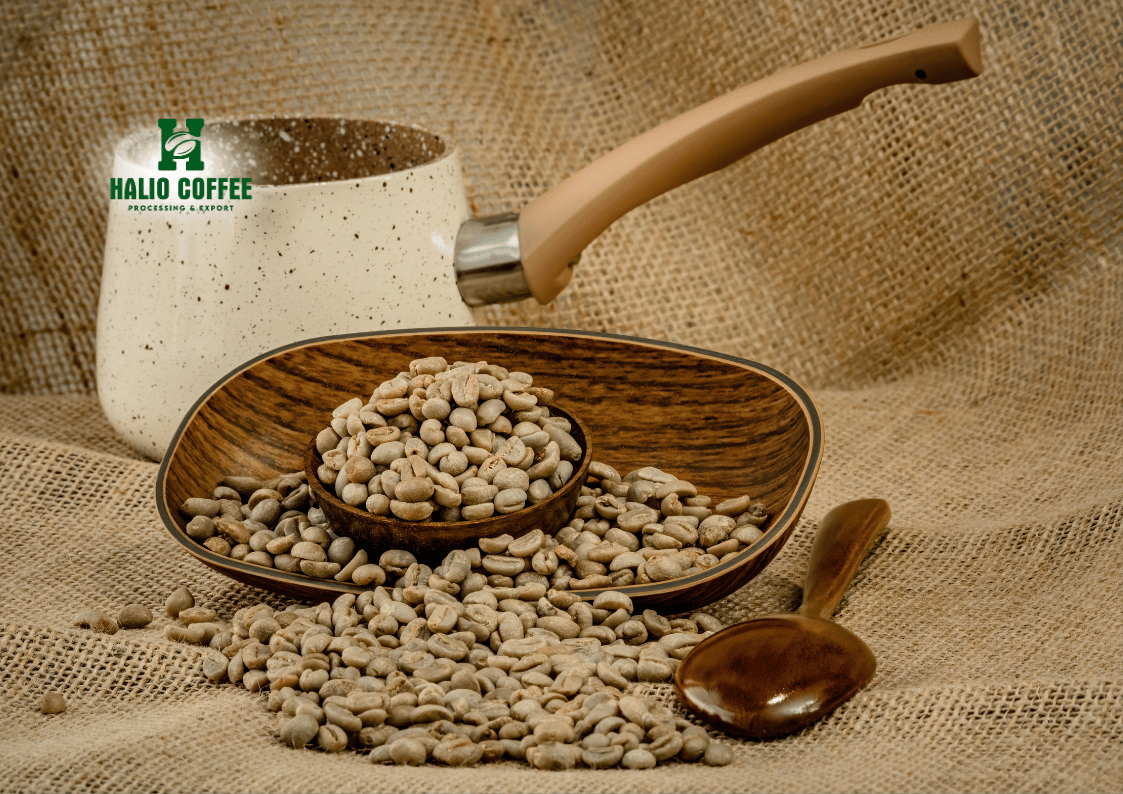
- 🚩 Low Density: If the green beans feel light and look open/porous, they were grown at low altitude. They will roast too fast and lack acidity.
Conclusion: The Value of Precision
Sourcing arabica green coffee beans is an exercise in precision. It requires you to define exactly what you need—the altitude, the screen size, the process—and to find a partner capable of delivering it.
By looking to origins like Lam Dong and Son La, and partnering with transparent manufacturers like Halio Coffee, you can access Arabica lots that offer the complexity of the specialty world at a value proposition that makes business sense.
You have now defined your quality target. But Arabica is just one part of the equation. To build a scalable business, you often need volume. You need to buy not just “lots,” but “bulk.”
How do you take these quality principles and apply them to massive scale? How do you source bulk raw coffee beans without sacrificing integrity?
- Strategic Sourcing of Organic Green Coffee Beans Bulk in 2026
- From Bean to Brand: A Strategic Sourcing Guide to Roasted Arabica Coffee for Cafes
- The Importer’s Playbook: A Step-by-Step Guide on How to Import Coffee from Vietnam
- Mastering Wholesale Coffee Beans Pricing Models for Global Buyers
- Annual Planning with Your Coffee Supplier: Navigating the 18% Price Correction in Vietnam