The Global Anchor: A Strategic Guide to Sourcing Vietnam Robusta Green Beans

Jan
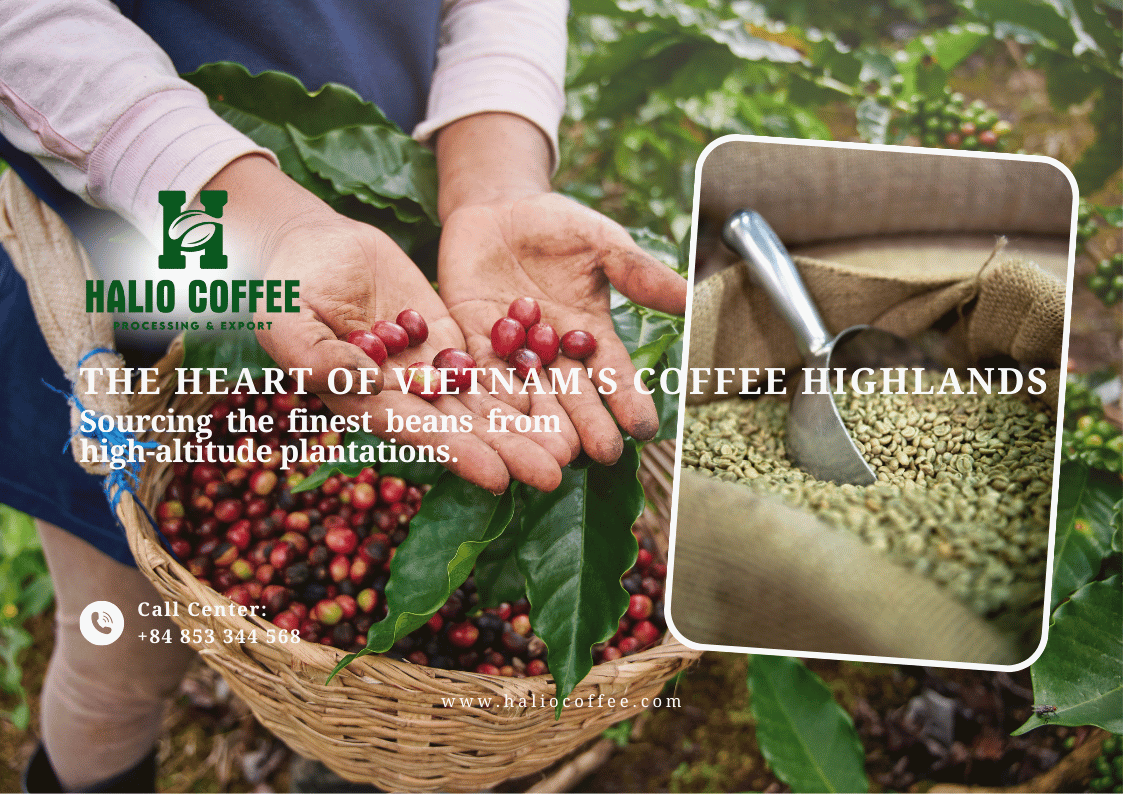
In the complex architecture of the global coffee trade, there are origins that provide the flavor notes—the floral Ethiopians, the fruity Colombians—and then there is the origin that provides the foundation. Vietnam Robusta green beans are the seismic bedrock of the industry. As we navigate the first weeks of 2026, this origin has transcended its historical reputation as a mere “cost-saver” to become the single most critical liquidity engine in a market defined by structural fragility.
For the professional buyer, the current landscape offers a rare paradox. On one hand, global consumption is projected to hit a record 169–170 million bags. On the other, the domestic market in Vietnam is experiencing a significant price correction, creating a high-value “procurement window.”
This guide is your executive manual for navigating this window. We will move beyond the generalities of commodity trading to dissect the specific agronomy, processing innovations, and risk management strategies required to source Vietnam Robusta green beans effectively. We will analyze how to leverage the current 18% price dip while hedging against the inevitable tightening of supply later in the year.
Market Landscape 2026: Why Source Vietnam Robusta Green Beans Now?
To understand the strategic value of Vietnam Robusta green beans, one must first accept the reality of the 2026 market: it is a landscape of “divergence.” While the Arabica market is fraught with climate anxiety, the Vietnamese Robusta sector is currently flooding the market with volume.
The 18% Price Correction
The most compelling argument for immediate action is the price. As of January 2, 2026, the price of new crop coffee in Vietnam’s domestic market has corrected to a range of 97,500 – 98,300 VND/kg.
- The Delta: This represents a decrease of approximately 18% (21,100 – 21,400 VND/kg) compared to the extreme highs of early 2025.
- The Cause: This is not a signal of low demand. Rather, it is the result of “aggressive selling” by farmers and local agents eager to monetize the harvest before the Lunar New Year. For the international buyer, this is a temporary distortion—a buying opportunity created by local liquidity needs.
The Export Surge
While other origins struggle, the logistics of Vietnam Robusta green beans are firing on all cylinders.
- The Data: In the first two months of the 2025-2026 crop year alone, Vietnam exported 2.63 million bags, a massive 51.9% increase compared to the same period in the previous season.
- The Comparison: Contrast this with Brazil, where exports dropped 27% in November, or Indonesia, where floods are expected to cut exports by 15%. Vietnam is currently the only reliable source of physical coffee at scale.
Consultant’s Insight: Do not mistake this abundance for permanence. The dry weather that is currently facilitating this export surge will eventually give way to the dry season, and once the “aggressive selling” phase ends, domestic stocks will tighten, likely driving prices back up.
The Evolution of Quality: From FAQ to “Fine Robusta”
Historically, Vietnam Robusta green beans were traded largely as “FAQ” (Fair Average Quality)—a bulk specification often characterized by earthy, rubbery notes. In 2026, this narrative is obsolete. The sector has bifurcated into “Commercial” and “Value-Added” streams.
The Rise of Wet Polished Robusta
Driven by rising Arabica prices—which closed 2025 up roughly 9%—roasters are seeking cleaner Robustas to act as neutral fillers or even primary components in espresso blends.
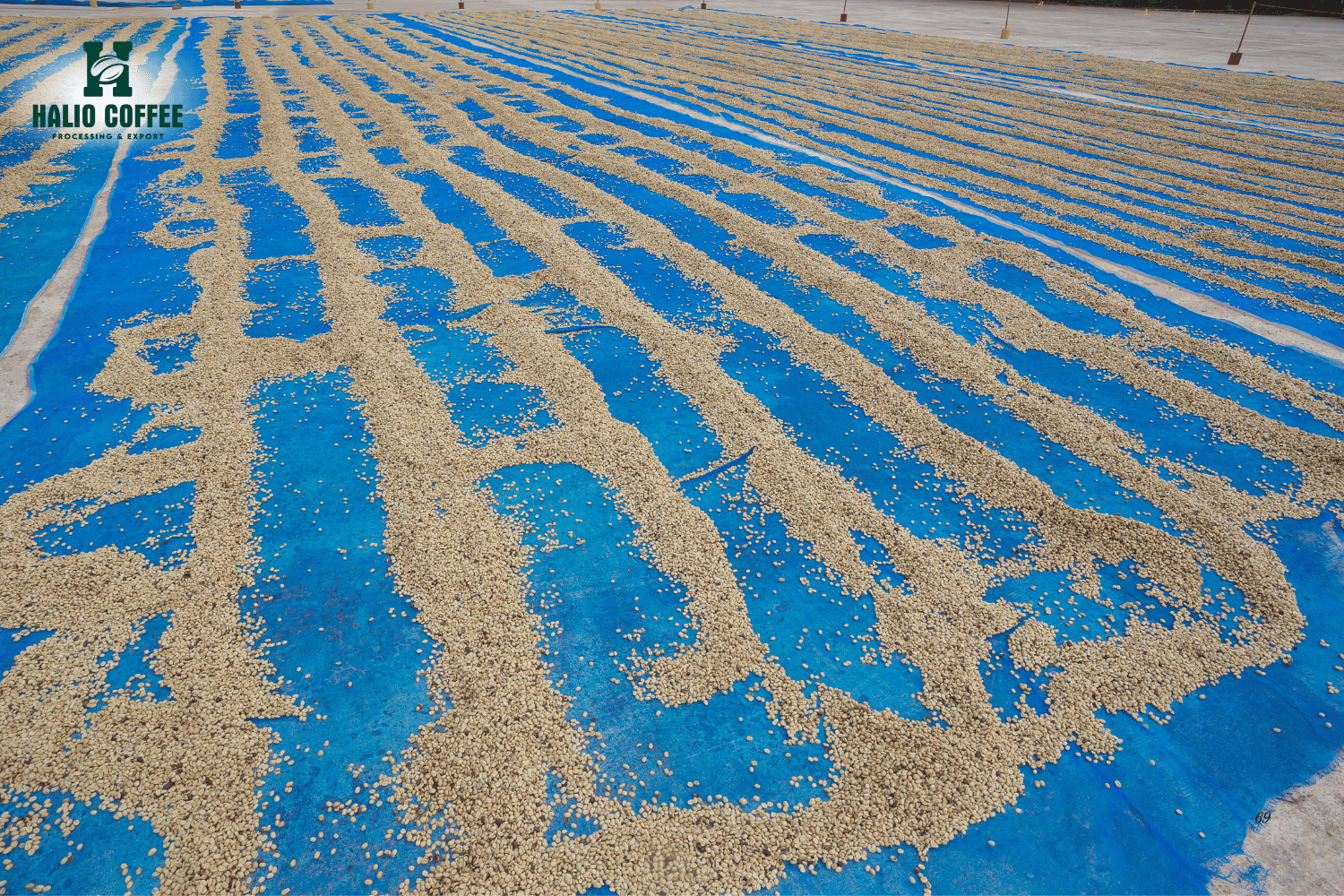
- The Process: High-pressure water friction removes the silverskin and mucilage residues from the green bean .
- The Cup Profile: This process transforms the bean. It reduces the “earthy” heavy notes and results in a “clean, refined finish” and a “bold body”.
- The Strategy: By sourcing Wet Polished Vietnam Robusta green beans, roasters can replace low-grade Brazils or Central American Arabicas in a blend, significantly lowering the Cost of Goods Sold (COGS) without sacrificing cup cleanliness.
The Honey Process Movement
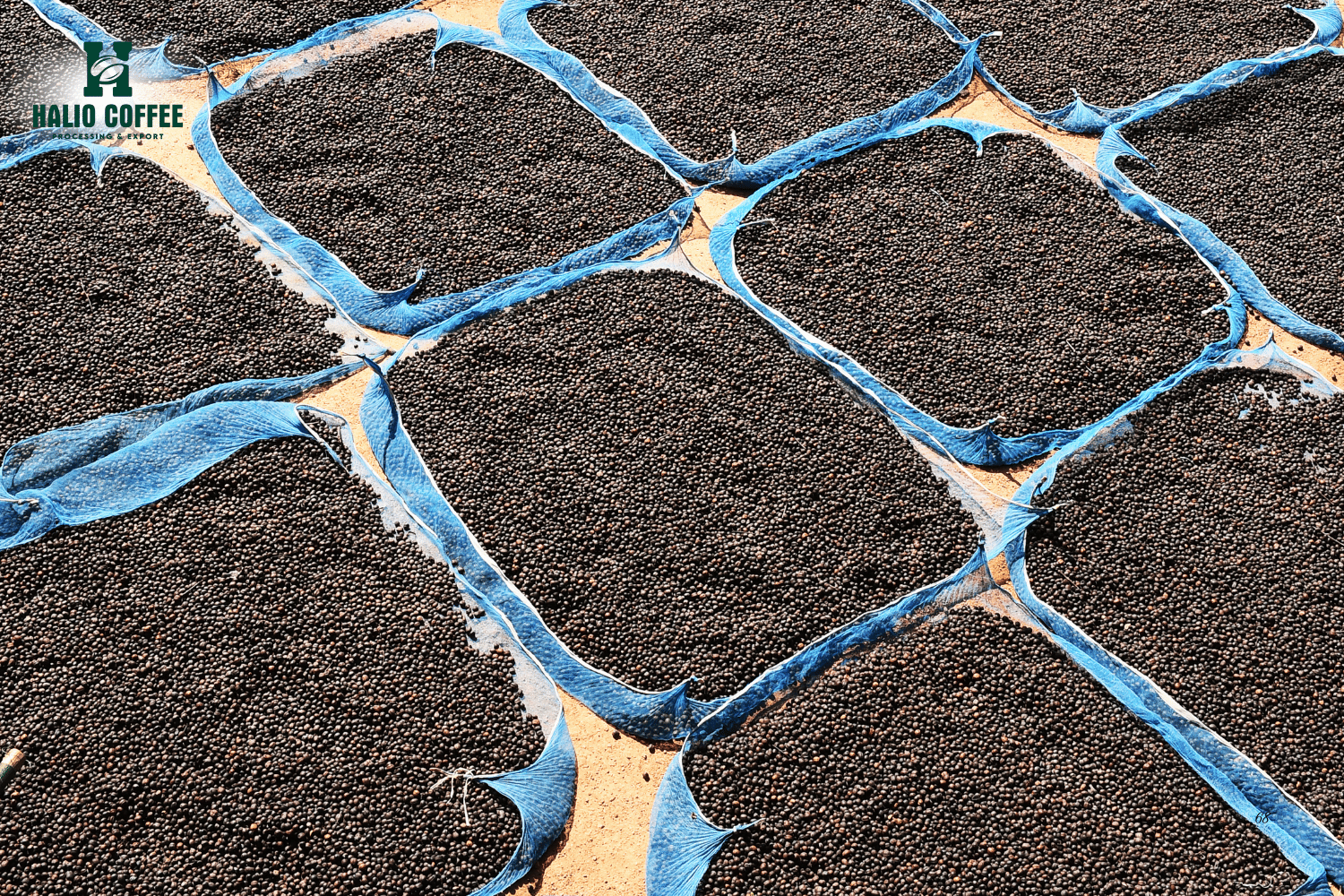
Though smaller in volume, the production of Honey Processed Robusta in regions like Gia Lai is gaining traction. By leaving mucilage on the bean during drying, producers are unlocking sweetness and fruit notes previously thought impossible in Coffea canephora. This “Fine Robusta” segment is now scoring 80+ on the SCA scale and entering the specialty market.
Technical Specifications: Vetting Vietnam Robusta Green Beans
In the B2B context, you are purchasing a technical specification. Ensuring your supplier meets these rigorous standards is the only defense against “quality fade.”
1. Grading Standards (TCVN 4193:2005)
When writing a contract for Vietnam Robusta green beans, “Grade 1” is the baseline for any quality-conscious roaster.
- Grade 1 (Screen 18):
- Black & Broken: Max 2%.
- Foreign Matter: Max 0.5%.
- Moisture: Max 12.5%.
- Screen Retention: Min 90% on Screen 18 (7.1mm).
- Grade 1 (Screen 16):
- Same defect count, but smaller bean size (6.3mm). Often trades at a slight discount but offers excellent density for espresso.
2. Moisture Content: The Critical Control Point
With the massive volume currently moving through ports, the risk of “ship’s sweat” is elevated.
- The Standard: Strict adherence to 12.0% – 12.5% moisture.
- The Risk: A supplier delivering at 13% moisture is selling you water. Worse, that excess moisture creates a breeding ground for mold (Ochratoxin A) during the 4-6 week transit to Europe or the US.
3. The “Clean Cup” Audit
Even for commercial grades, the cup must be free of faults.
- The Test: Roast to a medium level. Cup blindly.
- The Pass: Neutral, Woody, Nutty, Chocolate, Heavy Body.
- The Fail: Ferment, Phenol (Medicine), Mold, Diesel. One phenol bean can ruin a 20-ton container. Professional manufacturers use optical sorters to eliminate this risk.
The Regional Matrix: Mapping the Source
To source effectively, you must understand the geography. Vietnam Robusta green beans are not a monolith; they vary by province.
Dak Lak: The Volume Capital
- Profile: The classic, bold Robusta. Massive volume availability.
- Best For: Instant coffee, high-caffeine energy blends, and large-scale commercial roasting.
- Current Status: Weather is dry and sunny, facilitating optimal drying.
Lam Dong: The Density Leader
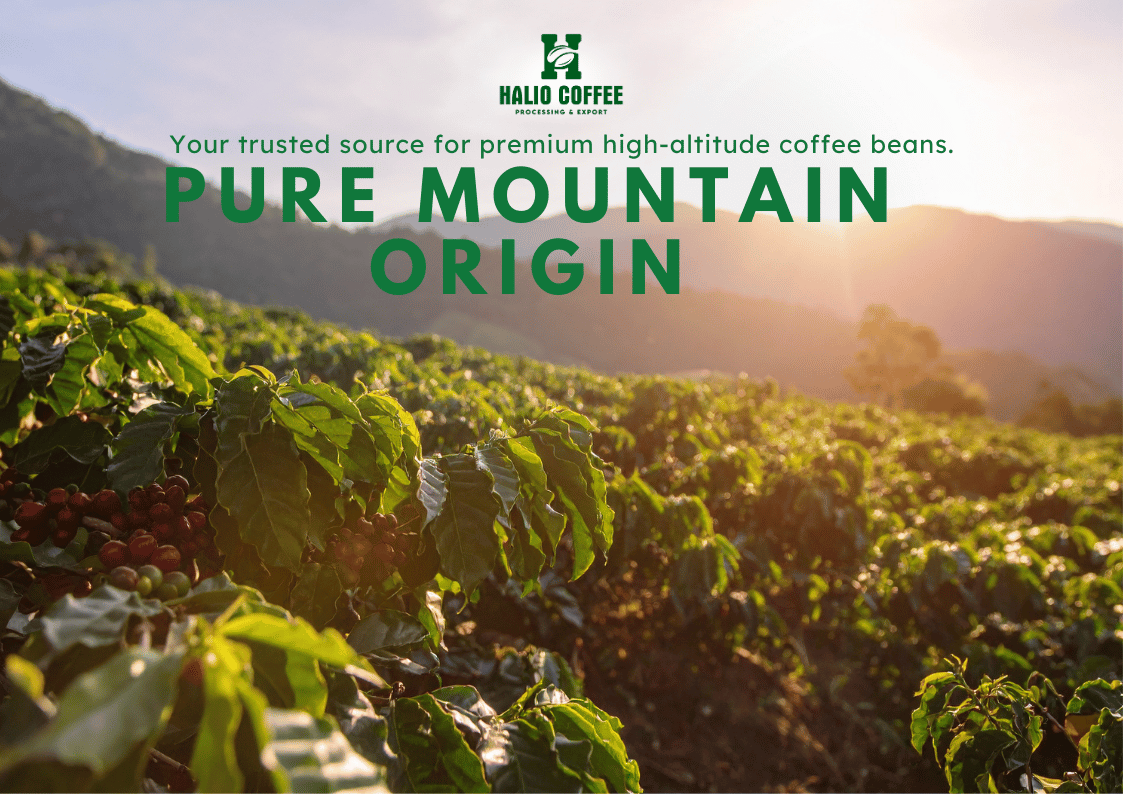
- Profile: Higher elevation (800+ MASL). Beans are denser and often have slightly higher acidity.
- Best For: “Fine Robusta” programs and blends requiring more complexity.
- Synergy: Also the source of Vietnam’s Arabica, allowing for consolidated shipments of both species.
Gia Lai & Dak Nong: The Industrial Frontiers
- Profile: Large-scale industrial farming. Known for consistency and high screen retention.
- Best For: Buyers seeking uniform, large-screen beans (Screen 18) for whole-bean retail where visual appearance matters.
Sourcing Strategy: The Manufacturer vs. The Trader
In 2026, the distinction between a “Trader” and a “Manufacturer” is the difference between gambling and procurement.
The Trader Model (High Risk)
- Operation: Aggregates parchment from various collectors. No control over milling.
- Risk: Inconsistent screening. High risk of “blending” old crop with new crop to lower costs.
- Traceability: Minimal.
The Manufacturer Model (Strategic Partner)
- Operation: Vertically integrated. Owns the wet mill, dry mill, and polishing lines (e.g., Halio Coffee).
- Advantage: Controls the optical sorting. Can customize the “polish” level.
- Traceability: Capable of providing geolocation data for EUDR compliance.
- Strategic Advice: With domestic prices down 18%, manufacturers are focused on volume turnover. They are the best partners for securing long-term contracts (PTBF) that lock in the current differential.
Risk Management: Red Flags in 2026
When sourcing Vietnam Robusta green beans, be vigilant against these specific risks prevalent in the current market.
1. The “Past Crop” Blend
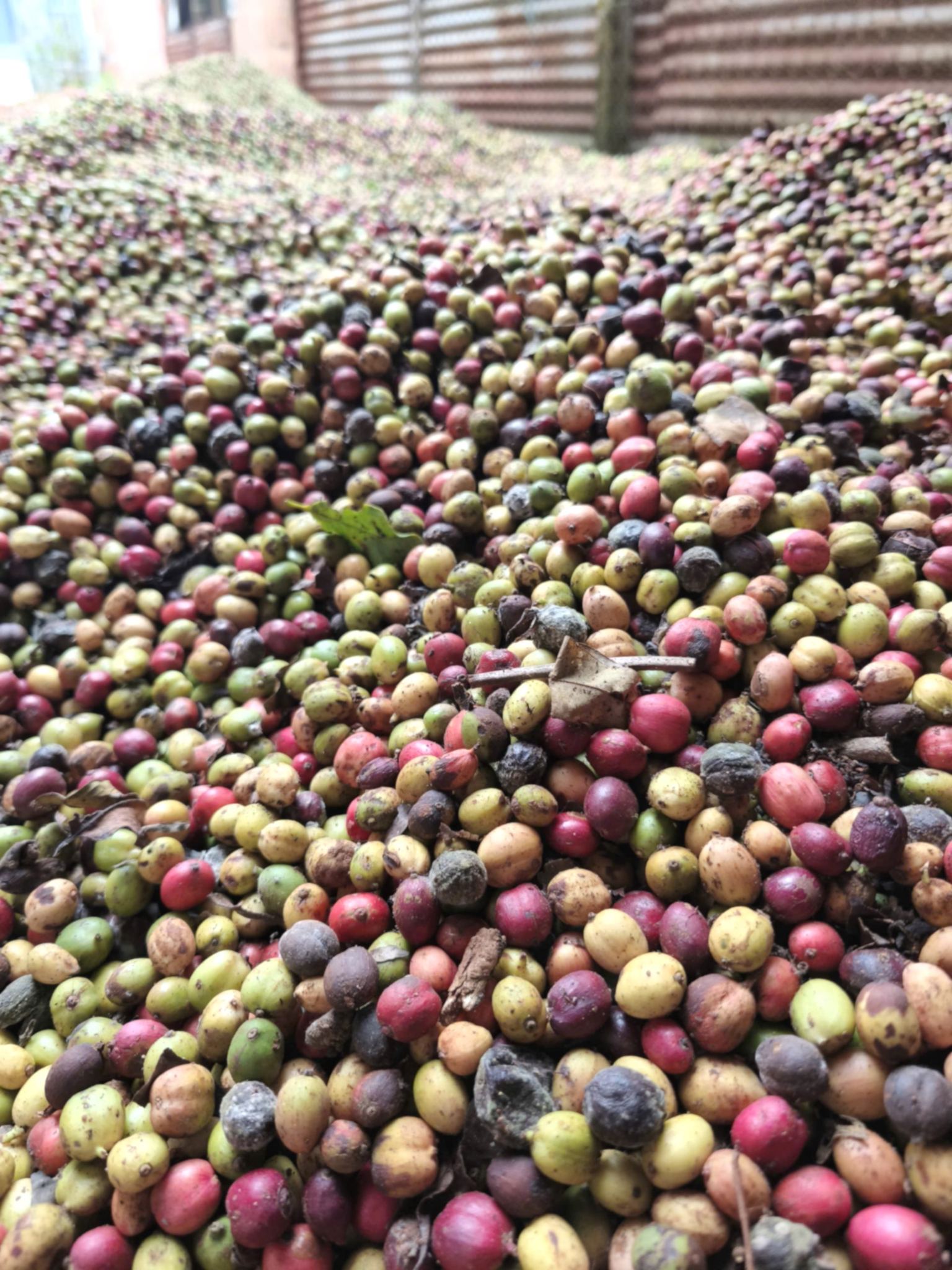
With new crop prices significantly lower than the old crop carryover inventory, unscrupulous sellers may try to mix in old, woody beans to clear dead stock.
- The Check: The “Smell Test.” Green beans should smell fresh and grassy. If they smell like burlap, straw, or old wood, reject the lot.
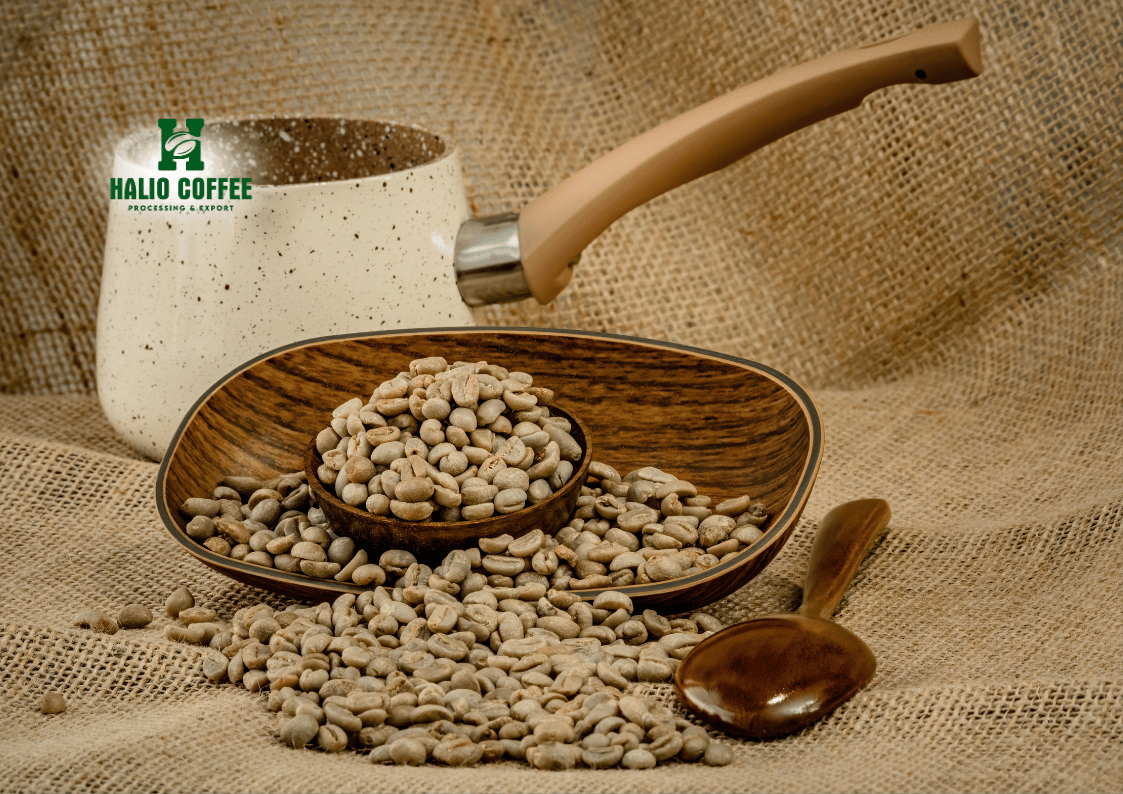
- The Solution: Demand a “Crop Year 2025/2026” certificate and verify via the physical appearance (old beans are faded/whitish; new beans are blue-green).
2. The Traceability Gap (EUDR)
- The Risk: A supplier claims compliance but provides a general “Region Certificate” instead of farm-level polygons.
- The Reality: As of 2026, the EU Deforestation Regulation requires precise geolocation. If your supplier cannot map the specific plot, that coffee cannot enter the EU.
- The Check: Audit their digital traceability system before signing the contract.
3. Currency Volatility
- The Context: The USD/VND exchange rate is hovering around 26,141.
- The Strategy: Fluctuations can eat into the 18% price savings. Buyers should consider hedging currency or buying FOB in USD to lock in the landed cost.
Conclusion: The Anchor of Your 2026 Portfolio
Sourcing Vietnam Robusta green beans in Q1 2026 is a strategic imperative. The combination of a massive 18% price correction and record export liquidity offers a unique opportunity to lower your weighted average cost of goods while securing the physical inventory that the rest of the world is scrambling for.
However, the “Buyer’s Window” is finite. As the “aggressive selling” from farmers subsides and the structural vulnerability of the global market reasserts itself, prices are likely to firm up. The time to lock in volume—specifying “Wet Polished Grade 1” and demanding full traceability—is now.
You have secured the physical foundation of your blends. The next step is to master the financial engineering that protects this value over the long term.
- The Inventory Playbook: A Consultant’s Guide to Managing Coffee Shipment Lead Times from Vietnam
- Sourcing and Vetting Specialty Green Coffee Beans
- The Procurement Playbook: Analyzing the Vietnam Green Coffee Price Per Ton Europe
- High-Caffeine Natural Robusta: Vietnam’s Rising Power in the Global Coffee Industry
- Strategic Sourcing from Vietnam Coffee Suppliers in 2026