The Gold Standard of Efficiency: A 2026 Strategic Guide to Sourcing Robusta G1 S18
Jan
In the intricate hierarchy of the global coffee trade, specific acronyms carry the weight of entire industries. “SHB” defines Central America; “AA” defines Kenya. But in the high-volume engine room of the global caffeine economy, one specification reigns supreme: Robusta G1 S18.
As we navigate the opening weeks of 2026, this specification—Grade 1, Screen 18—has evolved from a commodity bulk item into a strategic asset. The market context is definitive: while Arabica faces “structural vulnerability” due to climate shocks in Brazil, the Vietnamese Robusta sector is flooding the market with record liquidity. With domestic prices correcting by 18% compared to 2025, Robusta G1 S18 currently represents the highest value-for-money proposition in the coffee world.
This guide is your executive manual for sourcing this critical ingredient. We will move beyond the basic definition to dissect the agronomy, the manufacturing precision, and the roasting thermodynamics that make Robusta G1 S18 the preferred choice for professional roasters. We will analyze the current market data from Vietnam, explore the “Wet Polished” revolution, and provide a rigorous due diligence framework to ensure your supply chain remains resilient.
Decoding the Specification: What Actually Defines Robusta G1 S18?
To the uninitiated, “Robusta” is often treated as a monolith. To the professional buyer, the difference between a standard Grade 2 and a Robusta G1 S18 is the difference between a filler and a feature.
1. The Physical Parameters (TCVN 4193:2005)
The “G1 S18” designation is not a marketing term; it is a rigid technical standard governed by Vietnamese and international trade laws.
- “G1” (Grade 1): This refers to the defect count. A standard G1 contract permits a maximum of 2% Black and Broken beans. In 2026, leading manufacturers often tighten this to 0.1% for premium contracts.
- Why it matters: Black beans contain phenolic compounds that taste of medicine or iodine. Broken beans burn during roasting, adding ashiness. Grade 1 minimizes these risks.
- “S18” (Screen 18): This refers to the bean size. The beans must be large enough to stay atop a sieve with round holes measuring 7.10 mm (18/64 of an inch).
- Retention Standard: A professional contract requires Minimum 90% retention on Screen 18.
- Why it matters: Larger beans generally indicate better cherry maturity and nutrient density. More importantly, they offer superior heat transfer dynamics (see below).
2. The Thermodynamics of Roasting Screen 18
Why do roasters pay a premium for Robusta G1 S18 over Screen 16 (6.3 mm) or Screen 13? The answer lies in thermodynamics.
- Uniformity: Screen 18 beans are the largest and most uniform commercial grade. In a drum roaster, they absorb conductive and convective heat more evenly than smaller, mixed sizes.
- Development: The larger physical structure allows for a more gradual development of sugar browning reactions (Maillard reaction) before the bean fiber burns. This is critical for Robusta, which has less sugar than Arabica.
- Result: A Robusta G1 S18 roast is sweeter, cleaner, and more consistent than smaller grades, making it the only viable Robusta option for high-end espresso blends.
Market Analysis 2026: The Strategic Window for Robusta G1 S18
The agronomic argument for Robusta G1 S18 is timeless, but the economic argument for buying it in Q1 2026 is based on immediate market data. We are currently witnessing a “Buyer’s Window” created by a divergence in global supply.
The 18% Price Correction
The most critical data point for procurement teams today is the price correction in Vietnam.
- Current Pricing: As of January 2, 2026, new crop green coffee in Vietnam is trading between 97,500 and 98,300 VND/kg.
- The Discount: This represents a sharp decrease of approximately 18% (21,100 – 21,400 VND/kg) compared to the same period in 2025.
- The Cause: This is a liquidity event. Farmers and local agents are engaging in “aggressive selling” to monetize the harvest before the Lunar New Year. This has compressed the differential between standard grades and premium Robusta G1 S18, making the upgrade to Grade 1 cheaper than in previous years.
The Volume Surge
Unlike other origins facing climate restrictions, Vietnam is delivering the physical goods.
- Export Velocity: In the first two months of the 2025-2026 crop year, Vietnam exported 2.63 million bags, a staggering 51.9% increase year-on-year.
- Availability: While Brazil’s Arabica exports dropped 18.3% in late 2025, the availability of Robusta G1 S18 is at a peak. This reduces the risk of shipment default, a key concern for large-scale buyers.
Consultant’s Note: Do not assume this window remains open indefinitely. The Import-Export Department predicts that as the harvest concludes and domestic supply narrows, prices will recover. The smart money is locking in Robusta G1 S18 positions now.
The Manufacturing Process: How Robusta G1 S18 is Engineered
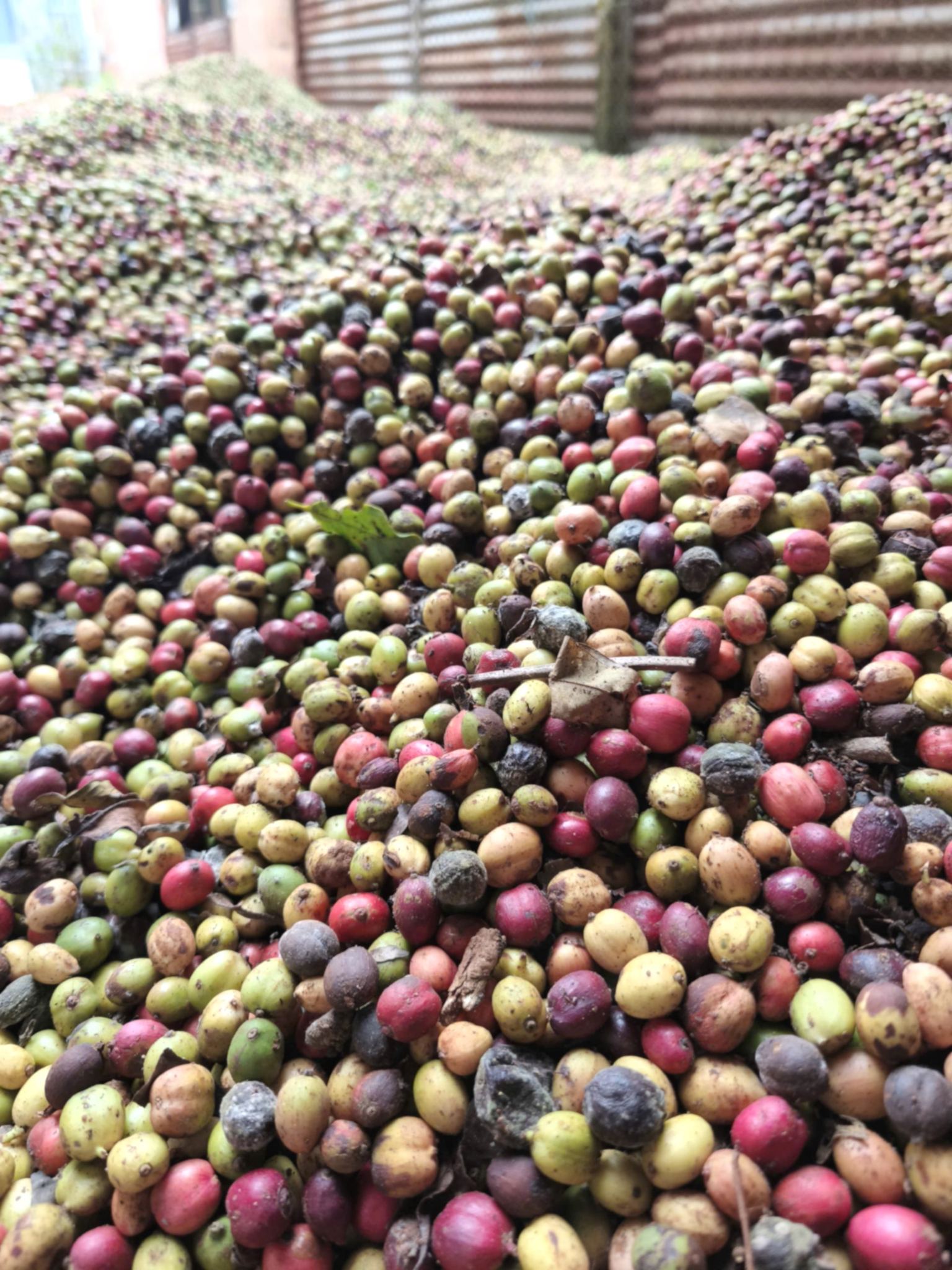
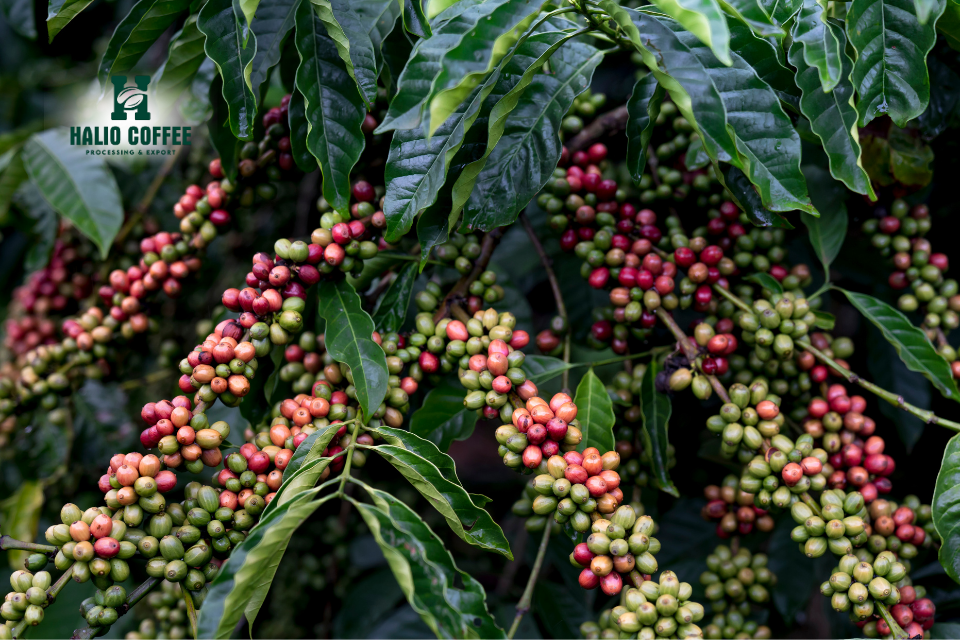
It is crucial to understand that Robusta G1 S18 is not “grown”; it is “manufactured.” The coffee cherry on the tree is a raw material; the G1 S18 in the bag is an industrial product resulting from precise milling.
1. The Farm Gate (Dak Lak)
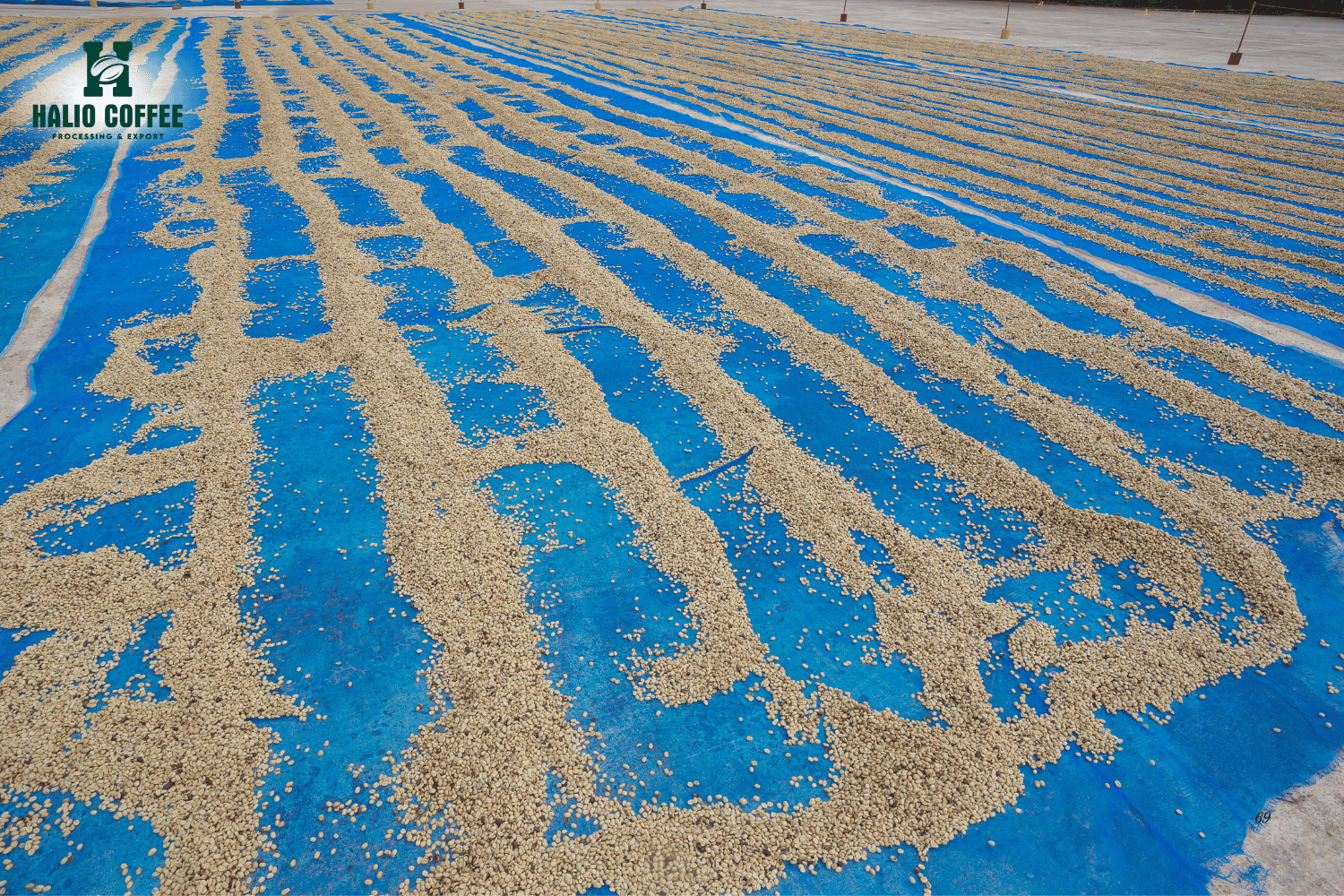
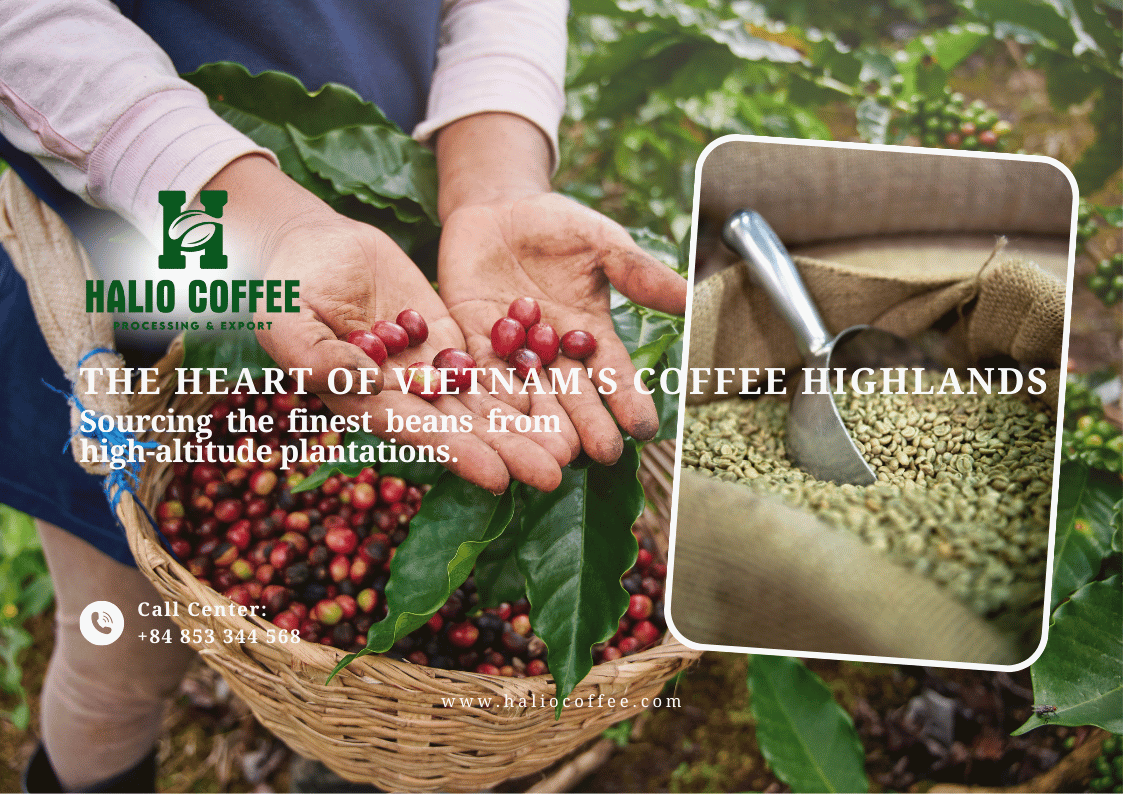
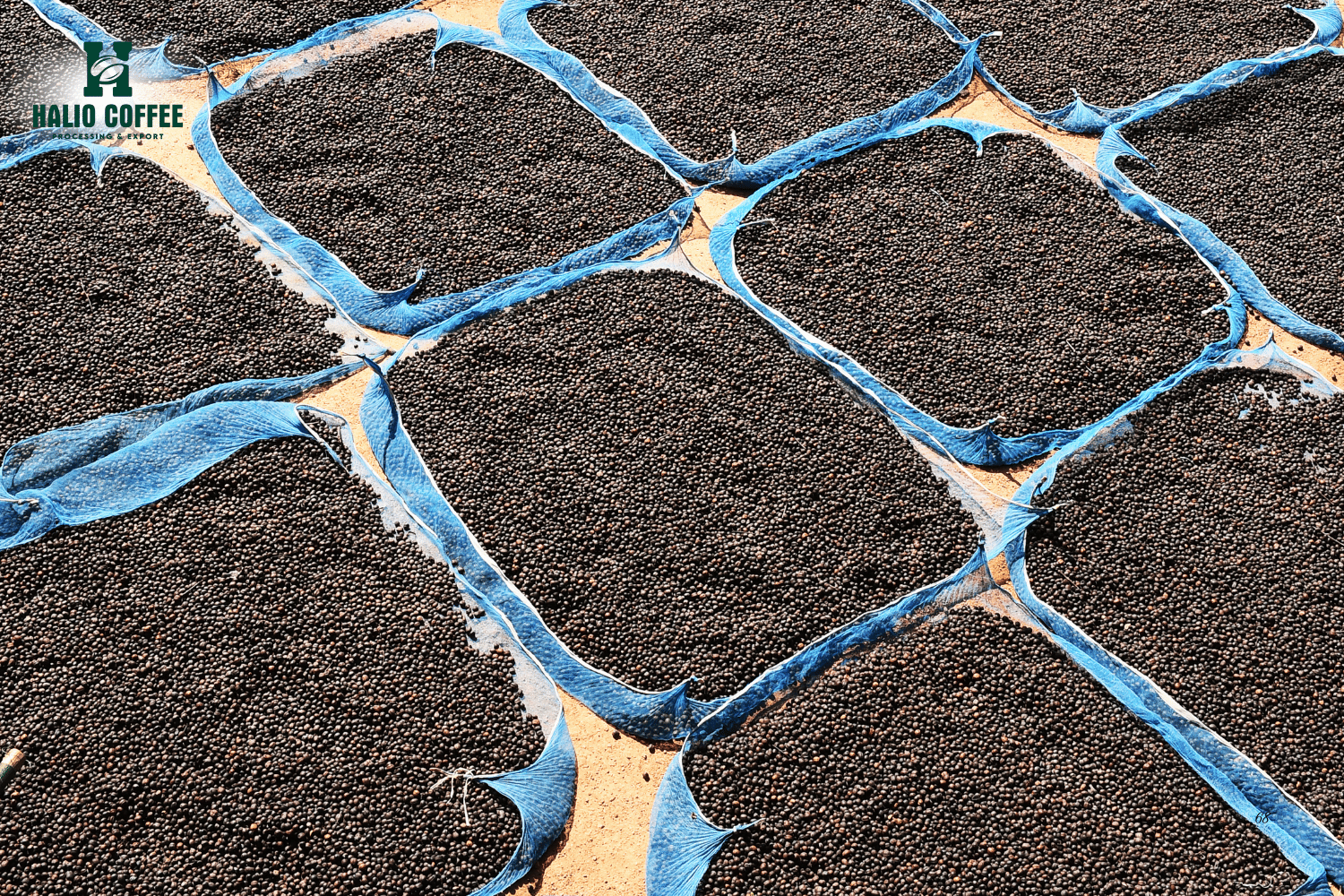
The journey begins in the basaltic plateaus of Dak Lak, currently enjoying dry and sunny weather. This weather is critical. It allows farmers to sun-dry the cherries to the ideal 12.5% moisture content naturally, preserving the cellular structure of the bean.
2. The Dry Mill (Classification)
Once the coffee is hulled (removing the parchment), it enters the classification line.
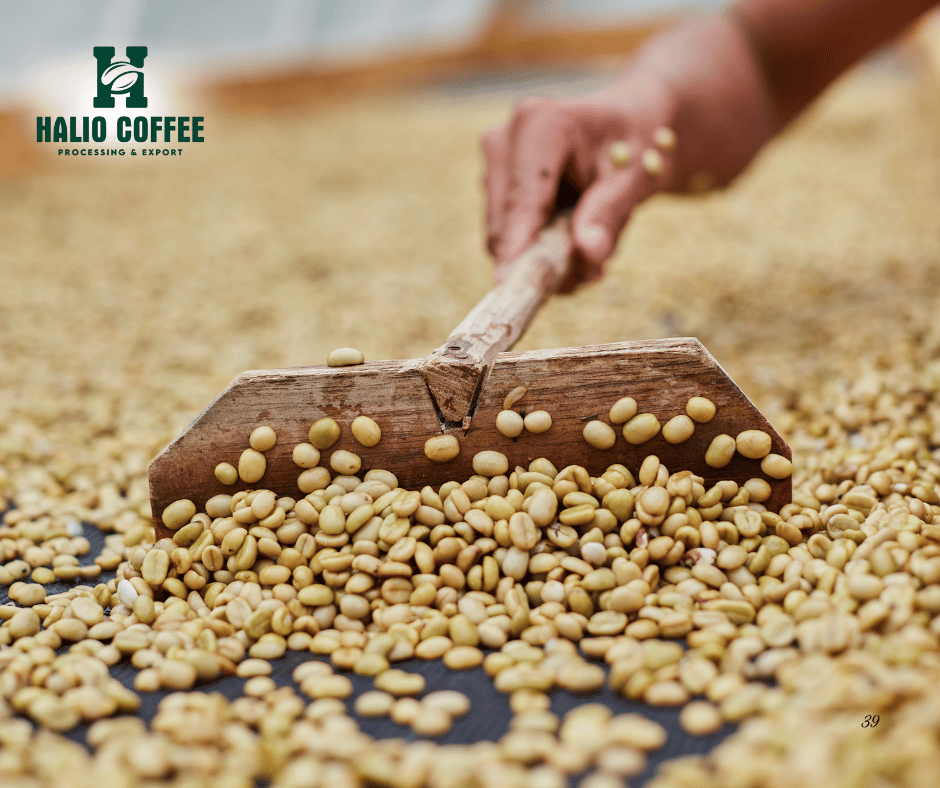
- The Sieve: The coffee is passed through a series of vibrating metal sheets. The beans that fall through the 7.1mm holes are downgraded to Screen 16 or 13. Only those that stay on top qualify for the Robusta G1 S18 line.
- The Gravity Table: Using airflow and vibration, stones and light density beans (which roast poorly) are separated.
3. The Optical Color Sorter (The G1 Difference)
This is the step that defines “Grade 1.”
- Technology: High-speed cameras (often Buhler or Sortex machines) analyze every single bean.
- Rejection: Any bean that is black, brown, or insect-damaged is blasted out of the stream with a jet of compressed air.
- Outcome: A pristine lot with less than 0.1% visual defects. When sourcing Robusta G1 S18, ensure your supplier owns this technology. A trader without a color sorter cannot guarantee G1 quality.
The “Wet Polished” Upgrade: Elevating Robusta G1 S18
In 2026, a standard Robusta G1 S18 is the baseline. The premium frontier is “Wet Polished.”
With Arabica prices rising due to Brazilian climate risks, roasters are seeking Robusta that can “mimic” the cleanliness of Arabica.
- The Process: Robusta G1 S18 beans are subjected to high-pressure water friction in a polishing machine.
- The Removal: This strips away the silverskin (chaff) and any residual mucilage or dust.
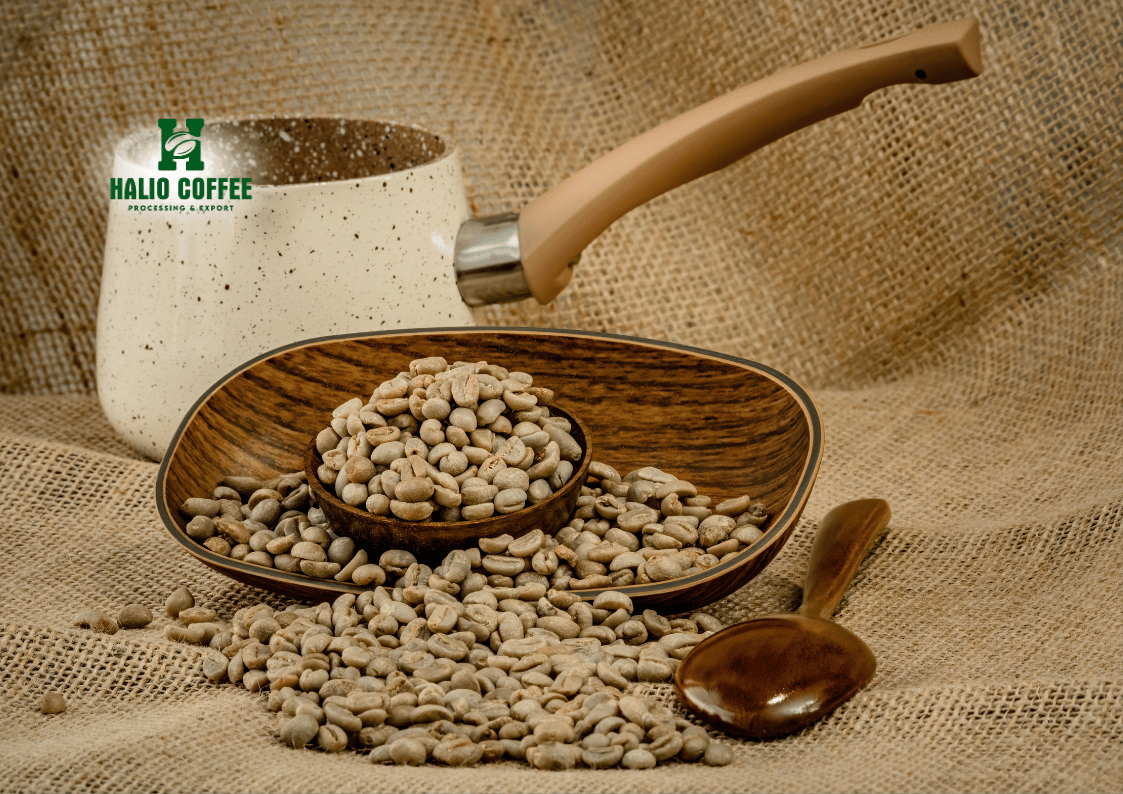
- The Sensory Impact: The result is a bean that looks like a high-grade Arabica (blue-green and shiny). In the cup, the “earthy” or “woody” notes are significantly reduced. It offers a “clean, refined finish” and a “bold body”.
- Strategic Value: Sourcing Wet Polished Robusta G1 S18 allows you to use a higher percentage of Robusta in a blend without the consumer detecting the “roughness” typically associated with the species.
Strategic Vetting: A Due Diligence Checklist
When issuing a Purchase Order (PO) for Robusta G1 S18, specificity is your shield. Use this checklist to audit your suppliers.
1. The Screen Retention Test
- The Standard: Min 90% on Screen 18 (7.1mm).
- The Audit: Take 100g of the Pre-Shipment Sample (PSS). Shake it through a 7.1mm sieve. If more than 10g falls through, the supplier is “blending down” (mixing in cheaper Screen 16). Reject the lot.
2. The Defect Count
- The Standard: Max 2% Black & Broken (technically), but aim for <1%.
- The Audit: Count the black beans in a 300g sample. If you find more than 2 or 3, the supplier’s color sorter is either turned off or malfunctioning.
3. Moisture & Water Activity
- The Standard: Moisture 12.0% – 12.5%. Water Activity < 0.60.
- The Risk: With exports surging, logistics are strained. High moisture beans will develop “ship’s sweat” and mold during transit. Strict adherence to 12.5% is non-negotiable.
4. Traceability (EUDR)
- The Mandate: As of 2026, full traceability regarding origin is required.
- The Check: Can the supplier provide the geolocation coordinates for the farms that produced this specific lot of Robusta G1 S18? A general region certificate is no longer sufficient.
Risk Management: Red Flags in the G1 S18 Market
Even in a “Buyer’s Market,” risks abound. Be vigilant against these specific frauds.
- 🚩 The “Screen 17” Scam: Suppliers sell you “Screen 18” but the sieve analysis shows 85% retention. They are hoping you won’t check. This affects your roast consistency.
- 🚩 The “Polished” Disguise: Polishing can make old, faded coffee look shiny.
- The Check: Smell the beans. Robusta G1 S18 (New Crop) should smell grassy and fresh. If it smells like wood, straw, or burlap, it is “past crop” that has been polished to hide its age.
- 🚩 The Moisture Inflation: Selling beans at 13% moisture to increase weight. This is buying water at the price of coffee, and buying a mold risk for free.
Conclusion: The Strategic Anchor
In the 2026 landscape, Robusta G1 S18 is more than just a coffee grade; it is a financial instrument. It offers the volume and stability that the volatile Arabica market cannot. By leveraging the current 18% price correction in Vietnam, buyers can secure a high-quality, manufacturing-grade asset that stabilizes their blend costs and ensures product consistency.
However, the “Buyer’s Window” is finite. As the “aggressive selling” from farmers subsides, the power balance will shift. The strategic move is to lock in your Robusta G1 S18 positions now—specifying “Wet Polished” for maximum value—before the global structural vulnerability reasserts itself.
You have secured the physical foundation of your business. The next logical step is to optimize the financial terms of these contracts.
- Strategic Sourcing of Organic Green Coffee Beans for Sale in 2026
- The Powerhouse of Robusta: A Strategic Guide to Vetting Dak Lak Coffee Suppliers
- Halio Coffee – Trusted Vietnam Fresh Coffee Bean Supplier
- Coffee Prices Today 29/9: Have US 50% Tariffs Shifted Brazilian Coffee Flows?
- Navigating the Market for Bulk Green Coffee Beans for Sale in 2026