The Modern Buyer’s Playbook: How to Shop for Coffee Direct from the Source
Nov
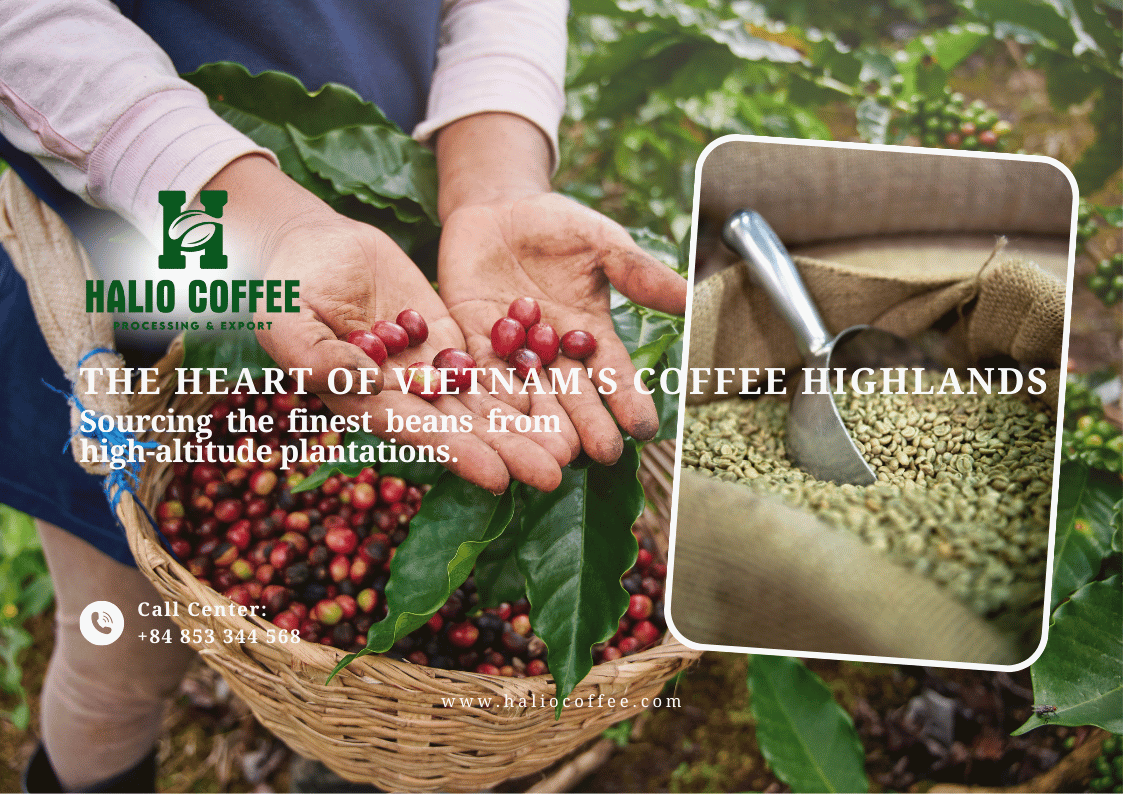
For a professional roaster, importer, or distributor, the phrase “shop for coffee” has fundamentally changed. A decade ago, this process began and ended with a phone call to a regional importer, and the search for "green coffee beans near me" was a literal hunt for the nearest warehouse that could deliver a few bags. That model is now obsolete.
The new reality of how to shop for coffee is a global, strategic, and transparent process. It is about bypassing the long chain of intermediaries and building durable, data-driven partnerships directly with producers and exporters at the origin. This direct-to-origin model is no longer a niche strategy for specialty micro-roasters; it is the essential playbook for any business focused on quality, traceability, and supply chain resilience.
Sourcing directly from a manufacturer and exporter like Halio Coffee Co., Ltd, based in the heart of Vietnam’s coffee lands in Dak Lak, is the modern way to shop. This guide is your expert framework for navigating this B2B sourcing process. We will move from defining your “shopping list” to vetting a world-class supplier and, ultimately, securing the exact green coffee beans your business needs to thrive.
Phase 1: Defining Your Needs (Before You Shop for Coffee)
You cannot shop for coffee successfully without a detailed “shopping list.” Before you send a single email, you must define the precise sensory and technical profile of the coffee you need. A professional sourcing request is not “I need coffee”; it is “I need a clean-cup Robusta for my espresso blend, Screen 18, with a nutty-chocolate profile and moisture below 12.5%.”
A high-quality supplier should be able to meet these specific demands with a diverse portfolio.
Defining by Species & Quality
- Arabica: This is the specialty, high-altitude species prized for its complex acidity and delicate aromatics. When shopping, you must define the origin and profile you seek.
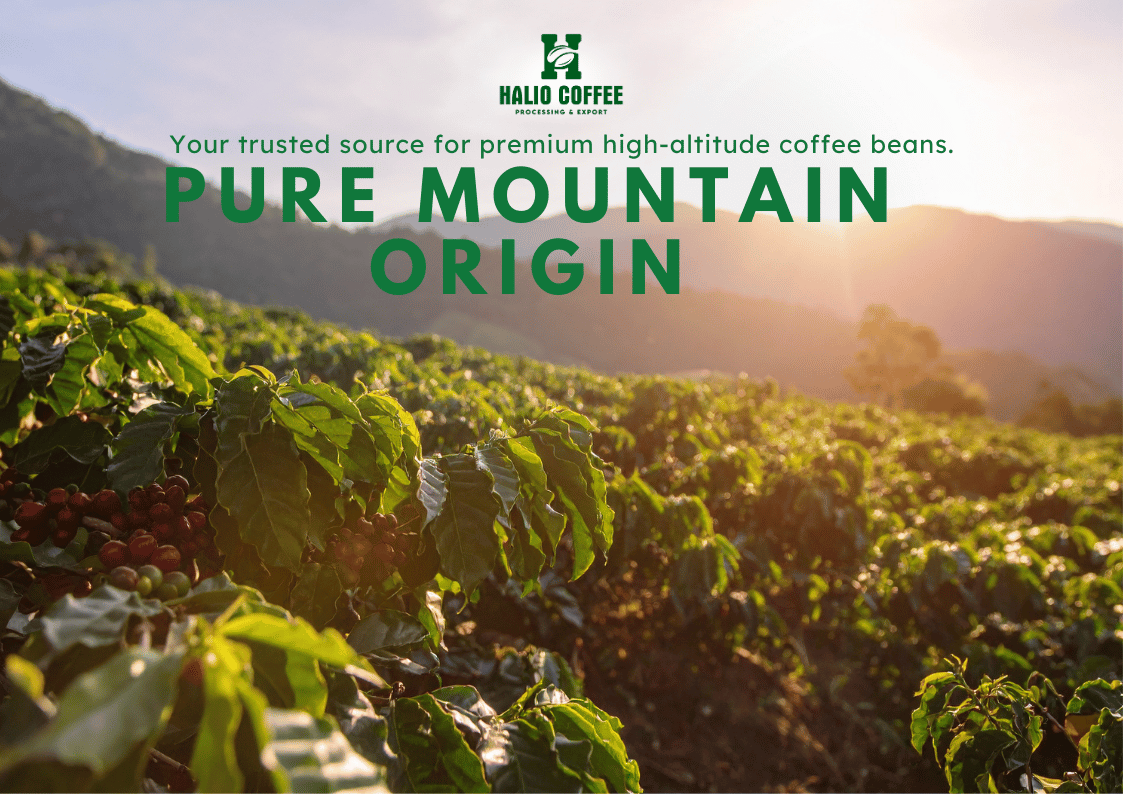
- Example 1: Vietnamese Lam Dong: Sourced from altitudes of 1,400-1,800 meters, the washed Arabica from this premier region (Cầu Đất) is known for its elegant, clean profile, medium body, bright acidity, and notes of jasmine, green apple, and sweet citrus.
- Example 2: Vietnamese Son La: A distinct northern terroir at 1,000-1,400 meters, this washed Arabica offers a different expression: a bright, crisp acidity with notes of citrus zest, green tea, and sugarcane.
- Example 3: Cross-Border (Laos): A good supplier may also have cross-border sourcing. Halio’s Arabica from the CBU region of Southern Laos (1,000-1,300m) offers a smooth, medium body, mild acidity, and notes of brown sugar and almond.
- Robusta: This is the high-caffeine, full-bodied workhorse, essential for espresso blends and instant coffee. The key is to shop for clean, defect-free Robusta, not the generic, harsh beans of the past.
- Example 1: Robusta Clean: A signature choice for clients seeking consistency. Sourced from the Central Highlands (like Dak Lak and Gia Lai), it offers a strong body, low acidity, and a classic nutty-chocolate profile.
- Example 2: Robusta Wet Polished: This is a value-added process where beans are polished after drying to remove residual husk. It results in a shinier, cleaner cup with a bold body, mild bitterness, and notes of wood, nuts, and dark cocoa.
Defining by Processing Method
The processing method is the “architect” of the coffee’s final flavor. Your supplier should be fluent in all of them.
- Washed (Wet) Process: The fruit is removed before drying, creating a clean, bright, and acidity-forward cup. This process highlights the bean’s intrinsic terroir.
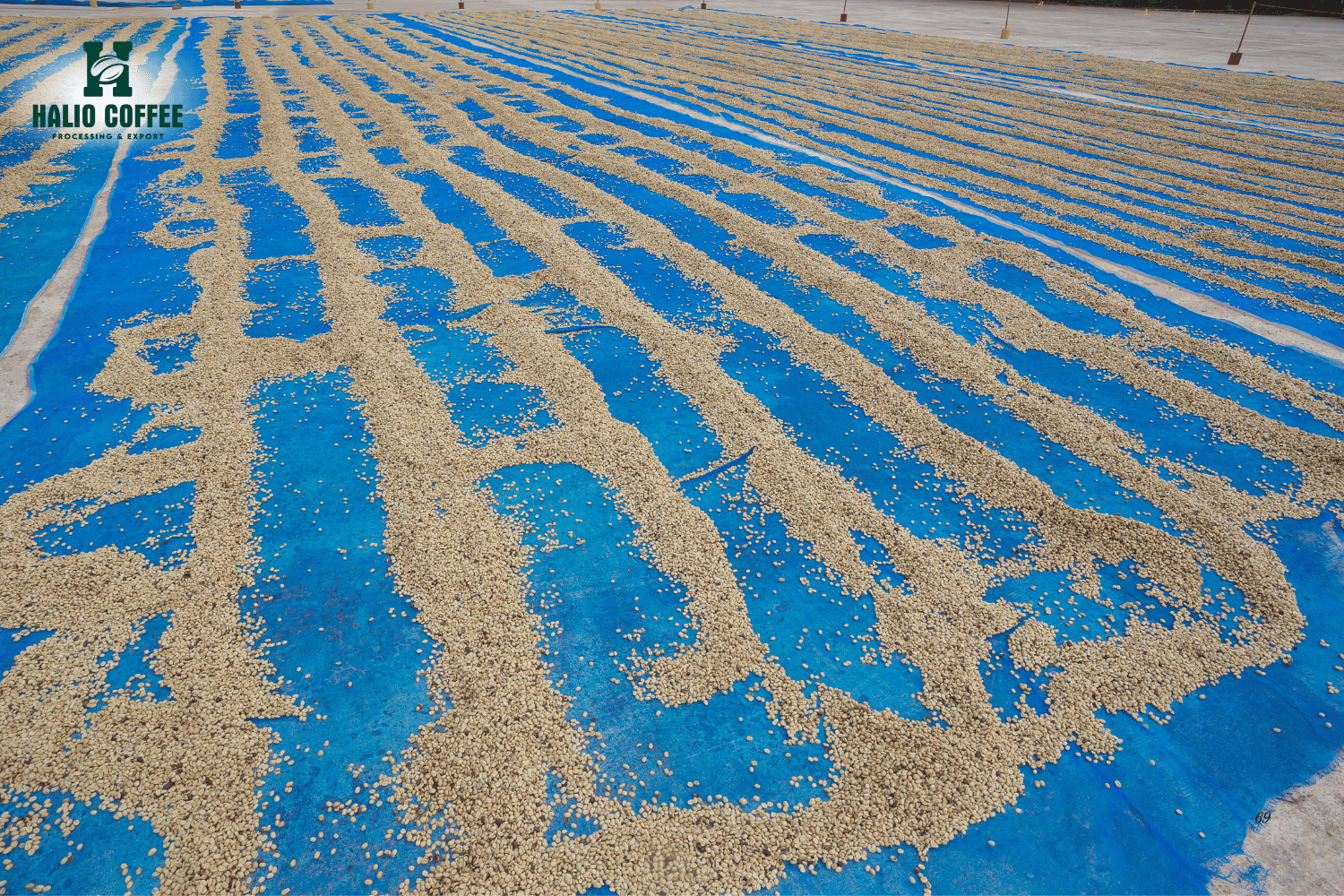
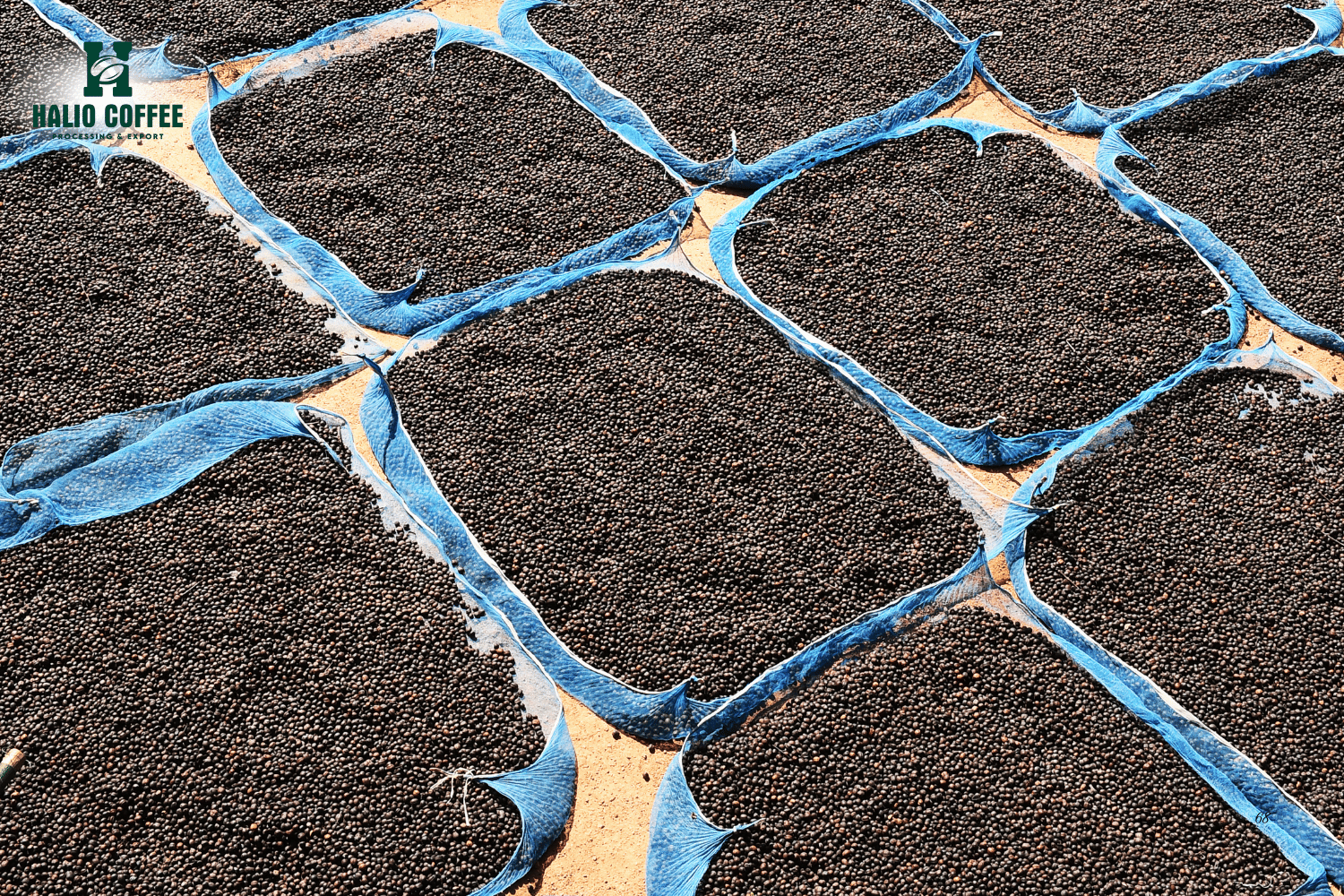
- Natural (Dry) Process: The cherry is dried whole, like a raisin. This traditional method imparts heavy body, low acidity, and intense, fruit-forward flavors. Halio’s Cầu Đất Arabica Natural, for example, is described as “fruit-forward,” “wildly distinct,” and having a “rustic, winey finish.”
- Honey Process: A hybrid method where the bean is pulped but dried with some of the sticky “honey” (mucilage) intact. This creates a “best of both worlds” profile, enhancing sweetness, body, and complexity. Halio’s Robusta Honey, for example, features sweet undertones of caramel and raw sugar with notes of dried fruit.
Defining by Technical Specifications
This is the non-negotiable language of a professional coffee contract. When you shop for coffee, your “shopping list” must include these technical specs, all of which should be transparently provided by your supplier.
- Screen Size:
Screen 18(SCR18) andScreen 16(SCR16) are the most common commercial and premium grades. A good supplier will offer both. - Moisture Content: The industry standard is max 12.5%. Anything higher is a major risk for mold during transit.
- Defect Ratio: This is critical for quality. Look for tight specifications like Black beans: max 0.1% and Broken beans: max 0.5%. This signifies meticulous post-harvest handling.
- Foreign Matter: Should be negligible, e.g., max 0.1%.
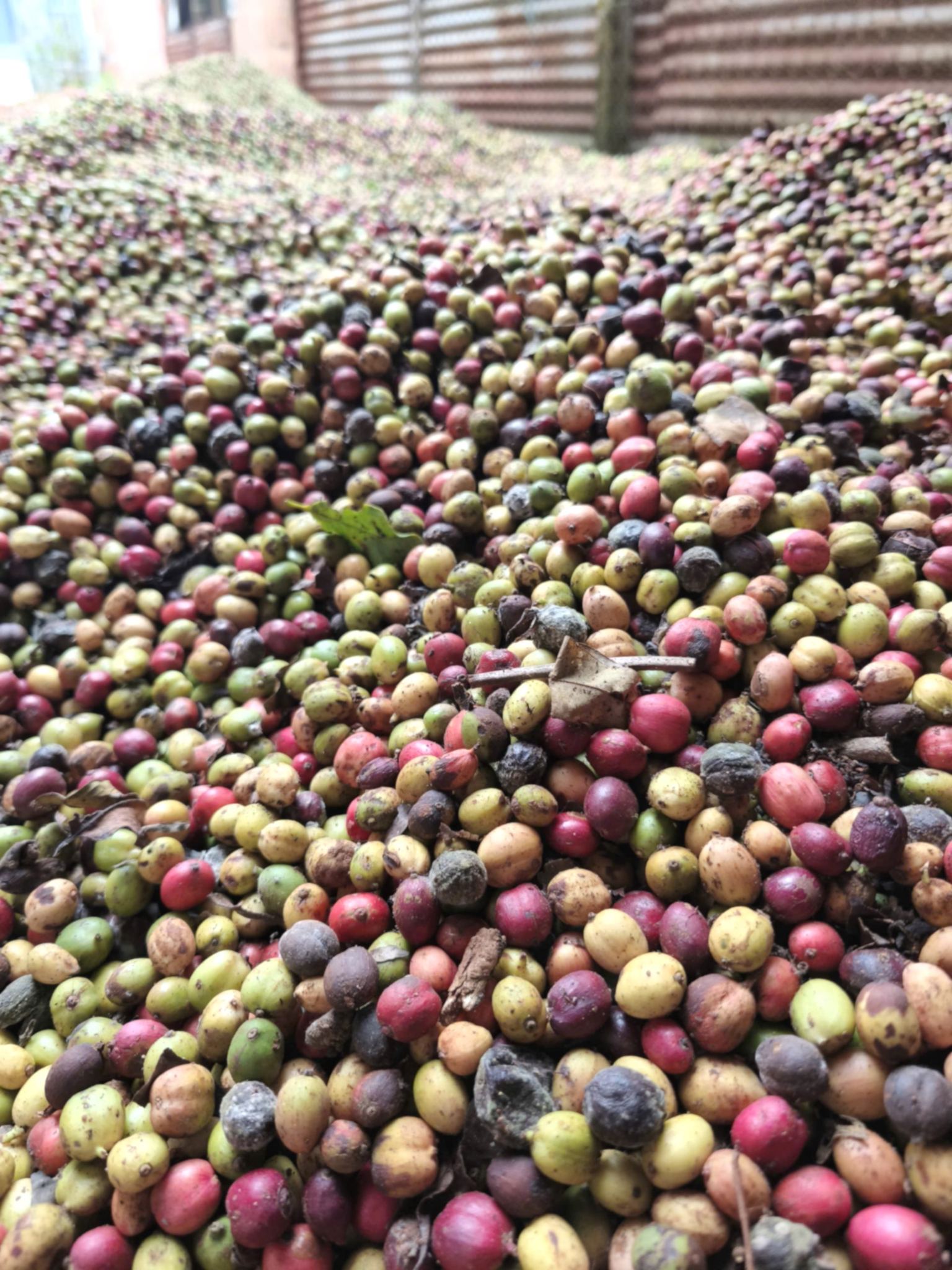
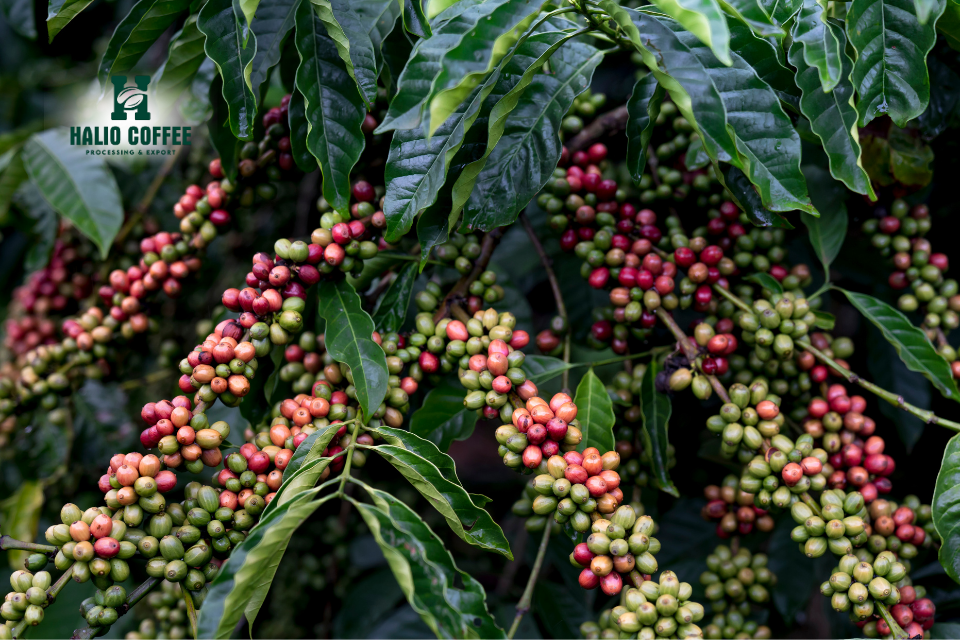
- Ripe Cherry Rate: This is a key indicator of quality at harvest. A supplier like Halio specifies a ripe cherry rate of ≥ 90% or even ≥ 98% for its premium lots, ensuring a sweet, consistent final product.
Related products
-
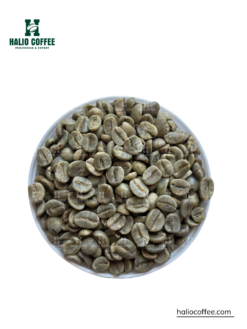
Arabica Coffee Fully Washed Grade 2 – Commercial Arabica Coffee
-
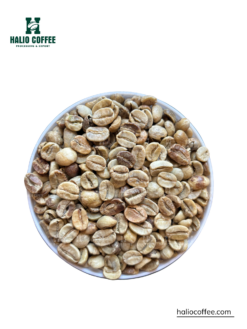
Arabica Coffee Fully Washed Grade 2 – Screen 16/18 | Laos Origin
-
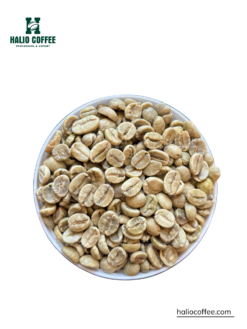
Arabica Fully Washed – Cau Dat, Lam Dong | Screen 16/18
-
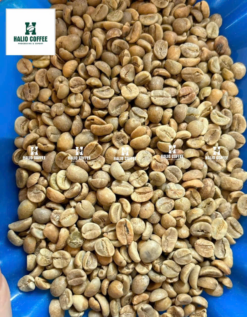
Arabica lao Fully Washed– S18, S16 | GRADE 1
-
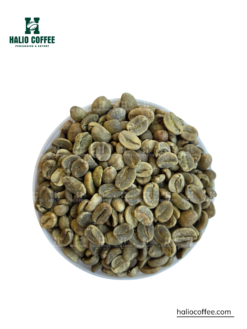
Arabica Natural Processed Coffee Beans – S18, S16 | Vietnam Arabica Coffee
-
Arabica S18 Fully Washed | Arabica Specialty | Lam Dong Origin
-
Arabica Sơn La Full Washed– S18, S16 | Vietnam Arabica Coffee
-
![Robusta Clean (SCR16 SCR18) | Grade 1 | Vietnam [Best Seller]](https://haliocoffee.com/wp-content/uploads/2025/07/Thiet-ke-chua-co-ten-7-247x329.png)
Robusta Clean (SCR16 SCR18) | Grade 1 | Vietnam [Best Seller]
-
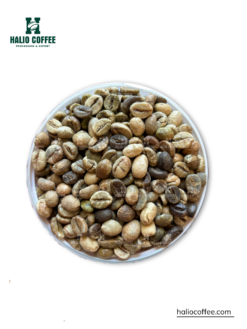
Robusta Coffee Grade 1 – Screen 18 (2% Black & Broken) | Vietnam
Phase 2: The Fallacy of “Green Coffee Beans Near Me” vs. The Power of Direct-to-Origin
The old sourcing model was based on necessity. A roaster would search for "green coffee beans near me" and find a local importer who held inventory. This model is being disrupted for three key reasons: Cost, Traceability, and Customization.
The “Near Me” Model (The Old Way)
When you buy from a local re-seller or importer, you are buying from their inventory.
- Pros: Low minimum order quantity (MOQ), fast (last-mile) delivery, no need to manage import logistics.
- Cons:
- Higher Price: You are paying for the importer’s warehouse, staff, and profit margin on top of the coffee’s price.
- Lack of Traceability: The coffee is often a “bagged out” lot, mixed from multiple farms or regions. You have no connection to the producer.
- Limited Choice: You are limited to whatever the importer decided to stock months ago.
- No Customization: You cannot request a specific processing method or screen size; you can only take what they have.
The “Direct-to-Origin” Model (The Modern Way to Shop for Coffee)
This model involves building a relationship directly with a producer and exporter, like Halio Coffee Co., Ltd.
- Pros:
- Full Traceability: A good exporter provides traceability “from farm to bag.” This isn’t just a marketing term; it’s a supply chain guarantee.
- Lower Price: By removing 2-3 layers of intermediaries, you are negotiating a price much closer to the source, which is critical for managing your
green coffee price(more on this in our next guide). - Customization: You can work with the supplier to create bespoke lots. Want a Honey Processed Robusta at SCR18 with custom logos on the bag? A direct supplier can do that.
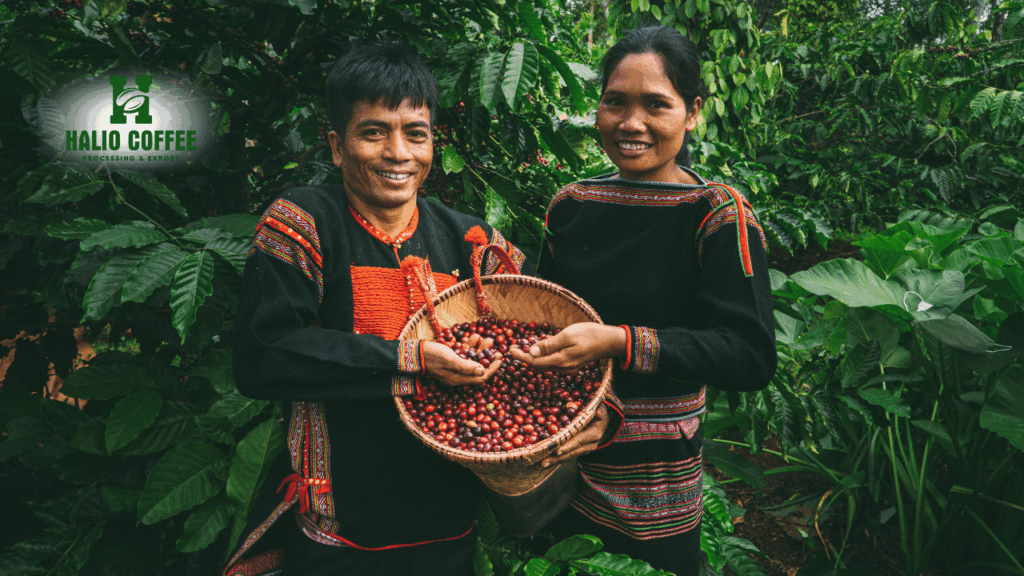
- Partnership: You are no longer a “customer”; you are a partner. You can build long-term relationships, support local communities, and ensure conservation—values that resonate with modern consumers.
- Cons:
- Higher MOQ: You are typically buying in full container loads (FCL), not by the bag.
- Longer Lead Times: You must manage the 45-90 day transit time from the origin.
For any serious, scaling coffee business, the “Pros” of the direct model overwhelmingly outweigh the “Cons.”
Phase 3: How to Shop for Coffee: A Supplier Vetting Checklist
You have your “shopping list” (Phase 1) and you’ve decided to go direct (Phase 2). Now, how do you find and vet a high-quality, reliable supplier from a world away? You need a systematic checklist.
Let’s use Halio Coffee as a case study for what to look for.
Checklist Item 1: Product Transparency & Range
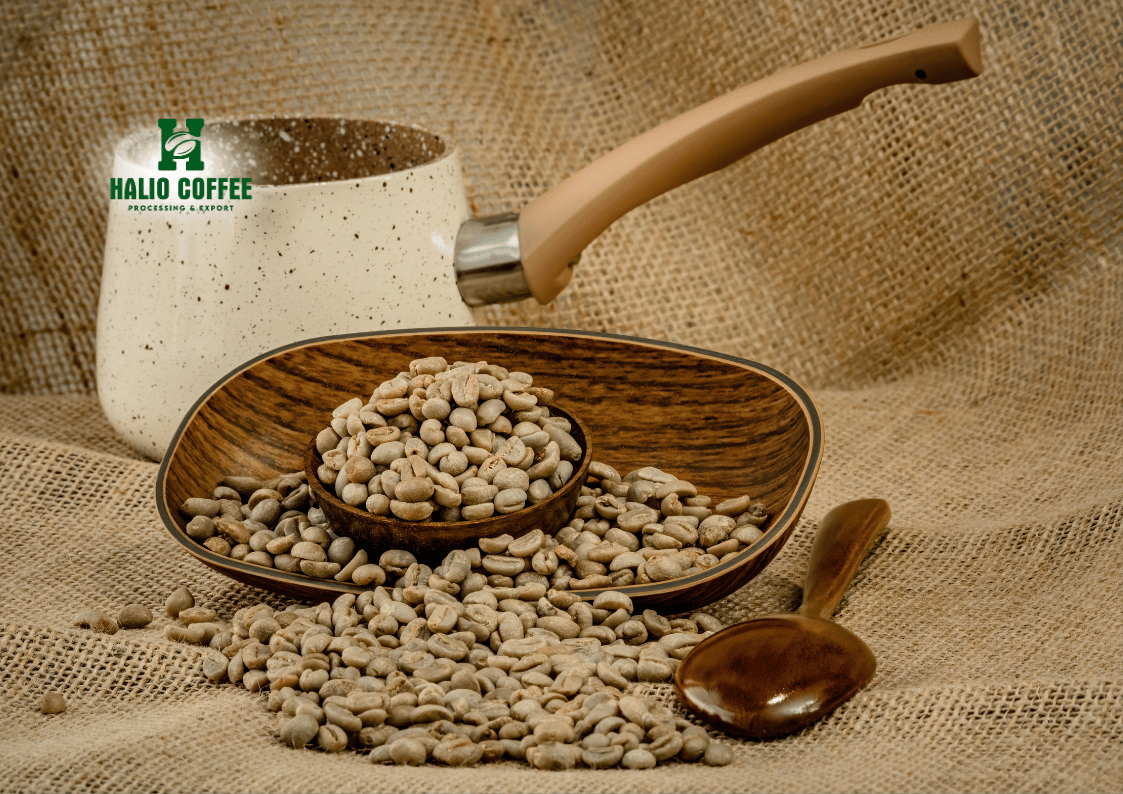
Does the supplier’s “Online Store” show clear, high-resolution photos of their green beans, or are they using generic stock images? A professional supplier is proud of their product.
- Look for Diversity: Halio’s portfolio, for example, is not just “Robusta.” It is clearly delineated:
Robusta Natural,Vietnam Robusta Honey Processed,Robusta Wet Polished, andRobusta Clean. - Look for Full Specs: Do they provide all the technical data from your “shopping list”? Halio’s product pages are a perfect example, listing Origin, Altitude, Processing, Ripe Cherry Rate, Moisture, Black beans, Broken beans, Foreign matter, Taste Profile, and Available Grades for every single product.
Checklist Item 2: Clear Communication & Identity
Are they a faceless entity or a real business with real people?
- Look for a Name: A public-facing contact person is a sign of accountability. Halio’s website and materials prominently feature its CEO, Ms. Eli, and her direct phone number (+84 853 344 568) and email.
- Look for a Physical Address: A real company has a real location. Halio is listed at 193/26 Nguyen Van Cu, Tan Lap Ward, Dak Lak, Vietnam, placing them in the heart of the Central Highlands’ coffee-growing region.
- Look for a History: Are they a brand-new company or do they have a track record? Halio provides its history, starting as a family business named “Nhớ Green Coffee Beans” and growing for over five years before its 2024 rebrand to expand its global reach.
Checklist Item 3: Quality Philosophy & Values
Are you shopping for a supplier who shares your values? A commodity-only vendor will only talk about price. A true partner will talk about quality, consistency, and ethics.
- Look for Quality Claims: Halio’s philosophy is built on principles like “100% Riped” (strict selection of ripe beans), “High Quality” (selection from the best highland beans), and “Proper Processing” (mastery of Honey, Washed, Dry, Natural methods).
- Look for Ethical Commitments: Do they mention their relationship with the wider community? Halio explicitly states its awareness of the “responsibility needed to help support and work with these communities” and to ensure “natural environments are protected and conserved.” This is the hallmark of a long-term partner, not a short-term trader.
Red Flags to Watch for When You Shop for Coffee
Using the checklist above, you can also spot the red flags of a low-quality or unreliable supplier.
- 🚩 Red Flag 1: Vague Product Descriptions: The supplier’s website just says “Vietnam Robusta” or “Vietnam Arabica” with no specifications.
- 🚩 Red Flag 2: No Technical Data: You have to beg for moisture content or defect counts. A professional supplier provides this upfront.
- 🚩 Red Flag 3: No Traceability: They cannot tell you if the coffee is from Dak Lak or Lam Dong, or at what altitude it was grown. This means they are likely a re-seller, not a primary exporter.
- 🚩 Red Flag 4: No “Human” Contact: The only contact is a generic “info@” email or a web form. There is no name, no phone number, and no address. This is a major sign of a low-accountability operation.
- 🚩 Red Flag 5: “Too Good to Be True” Pricing: If a supplier’s price is dramatically lower than the
green coffee priceindicated by the London (Robusta) or New York (Arabica) futures markets, be extremely cautious. This could signal a scam or, more likely, a “bait-and-switch” where the sample will be high-quality but the container load will be full of defects.
The Final Step in Shopping: From Vetting to Sampling
You do not “buy” a container of coffee from a webpage. You shop for a partner. The “shopping” process is the vetting and sampling phase.
- Build Your Shortlist: Use the checklist to identify 2-3 high-potential, direct-to-origin suppliers who match your needs.
- Make Contact: Reach out to them with your professional “shopping list.” (e.g., “Dear Ms. Eli, I am a roaster in [Your Country] looking to source an FCL. Please provide a quote and availability for your Robusta Honey SCR16 and your Son La Washed Arabica SCR18.”)
- Request Samples: Once you have a quote, request paid samples of the specific lots you intend to buy.
- Approve the Sample: This is the final “shopping” act. You must roast and cup the sample. Does it match the supplier’s taste profile? Does it meet your technical specs?
- Place the Order: If the sample is approved, you have found your partner. You are no longer “shopping.” You are now moving to contract and logistics.
Ultimately, the modern way to shop for coffee is a proactive, strategic sourcing process. It’s about finding a transparent, high-quality, and ethical partner at the source, not just passively searching for "green coffee beans near me".
Once you have vetted this partner and approved their samples, the final negotiation begins. This negotiation will be centered on the most critical number in your contract: the green coffee price. Our next guide will break down every factor that influences this price, from the international futures market to origin-level premiums.
- The Inventory Playbook: A Consultant’s Guide to Managing Coffee Shipment Lead Times from Vietnam
- Coffee Prices Today 29/9: Have US 50% Tariffs Shifted Brazilian Coffee Flows?
- A 2026 Strategic Guide to Sourcing Raw Coffee Beans for Roasting
- Coffee Prices Today, October 28th: Both Exchanges Drop Sharply on Signals of US Easing Tariffs on Vietnam
- Coffee Processing Methods: Unlocking the Flavor Potential of Green Coffee Beans in the Global Market