The Powerhouse of Robusta: A Strategic Guide to Vetting Dak Lak Coffee Suppliers
Jan
In the global coffee trade, specifically within the Robusta sector, all roads eventually lead to one location: Buon Ma Thuot, Dak Lak. Often referred to as the “Capital of Coffee,” this province in Vietnam’s Central Highlands is not merely a growing region; it is the beating heart of the global caffeine supply chain. For the professional buyer, understanding the ecosystem of Dak Lak coffee suppliers is the key to unlocking volume, consistency, and margin control in 2026.
As we navigate the start of the year, the market dynamics in Dak Lak have shifted dramatically. Following a year of historic highs in 2025, we are now witnessing a “Buyer’s Window” characterized by an 18% price correction and record export volumes. However, the landscape remains complex, defined by “structural vulnerability” and rigorous new traceability mandates.
This guide serves as your executive manual for navigating this terrain. We will deconstruct the supply chain, analyze the current pricing opportunities, and provide a rigorous vetting framework to ensure that the Dak Lak coffee suppliers you partner with can deliver not just beans, but business continuity.
1. The Anatomy of the Dak Lak Coffee Ecosystem
To source effectively, one must understand the terrain. Dak Lak accounts for the lion’s share of Vietnam’s coffee output, which itself is surging with a 51.9% year-on-year increase in exports for the early 2025-2026 season.
The Central Highlands Advantage
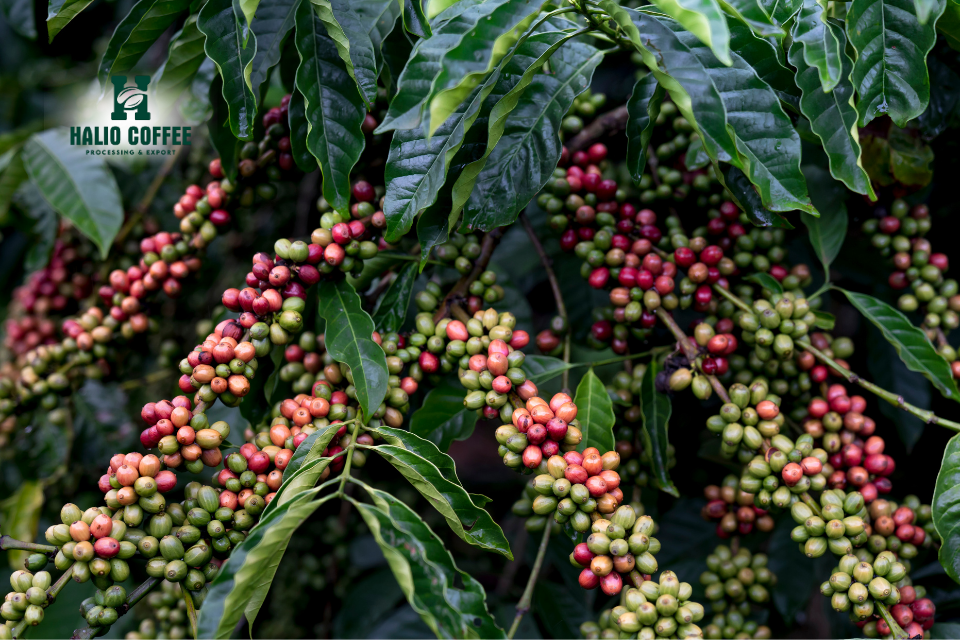
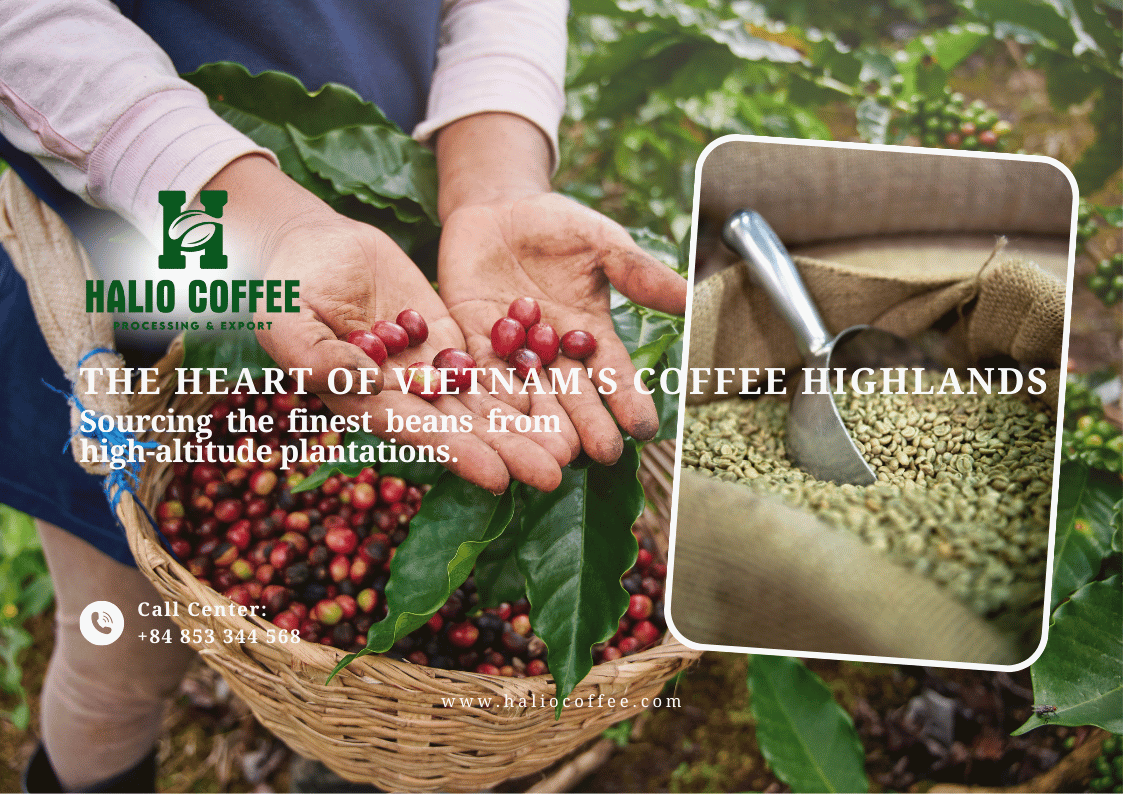
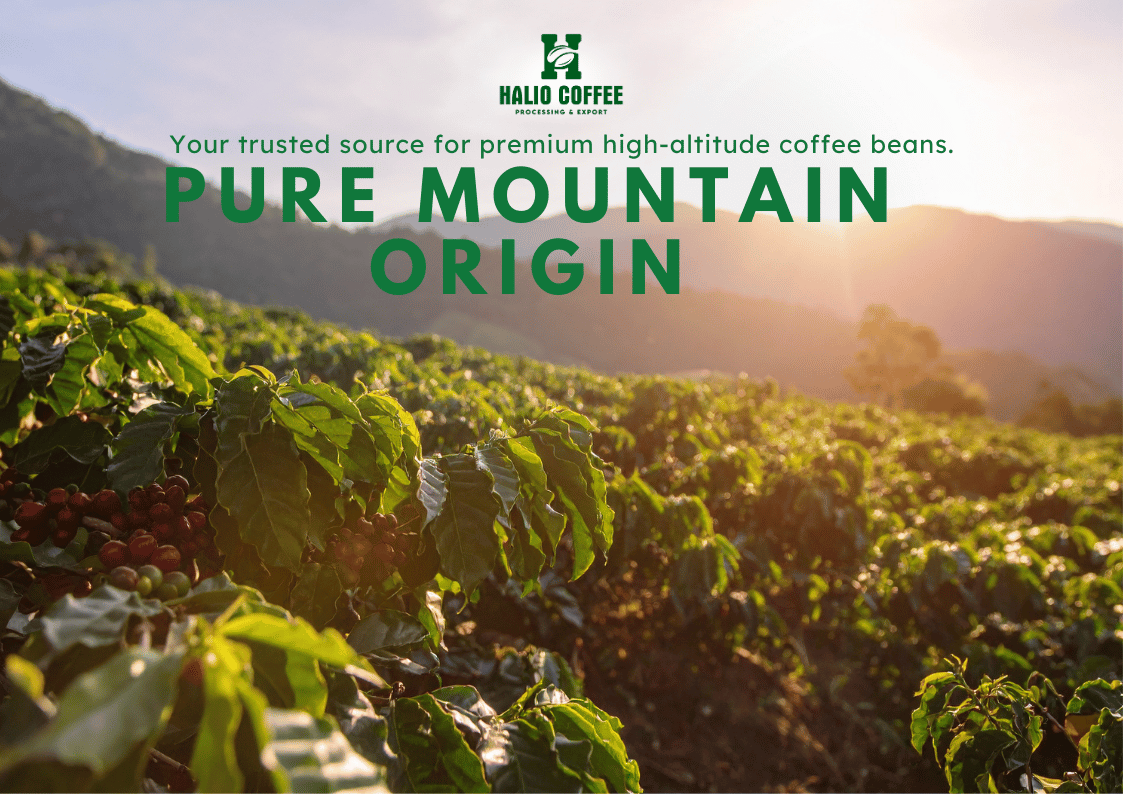
Dak Lak benefits from a unique microclimate—basaltic soil and distinct dry/wet seasons—that is ideal for Coffea canephora (Robusta).
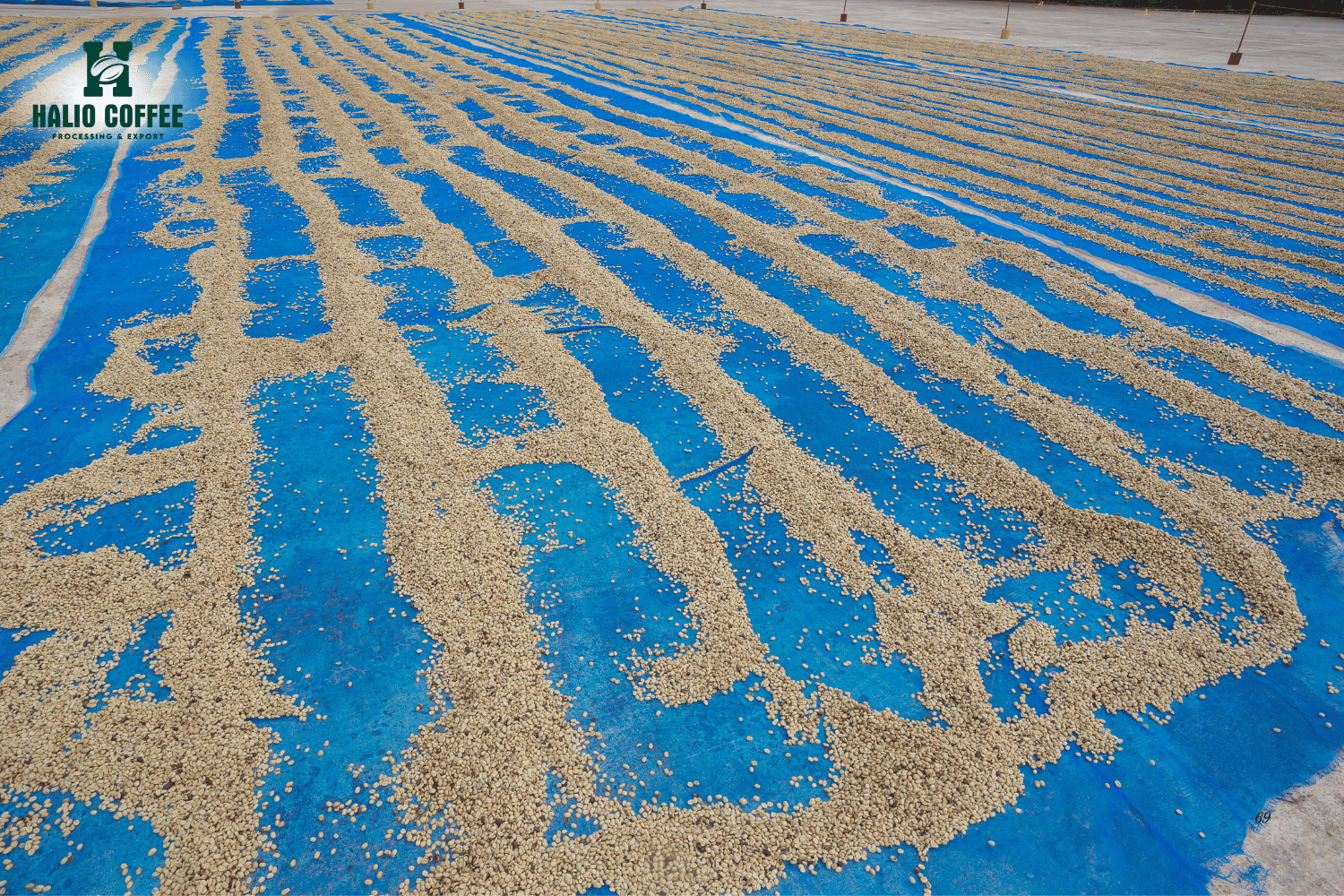
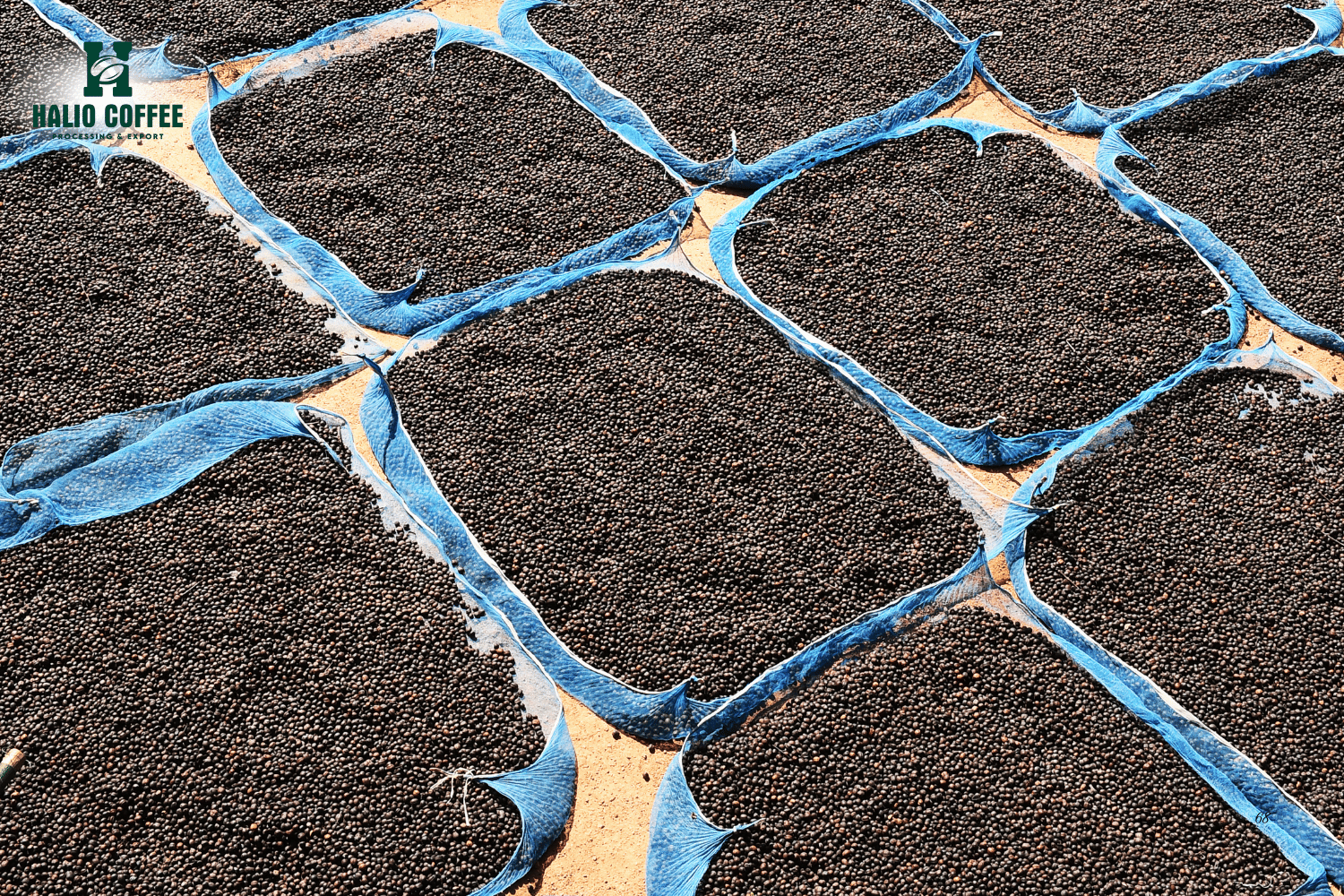
- Current Conditions (Jan 2026): The region is currently enjoying favorable dry and sunny weather. This is critical for the “post-harvest” phase, ensuring that the beans drying on patios achieve the optimal moisture content (12.5%) naturally, reducing the risk of mold and phenol defects.
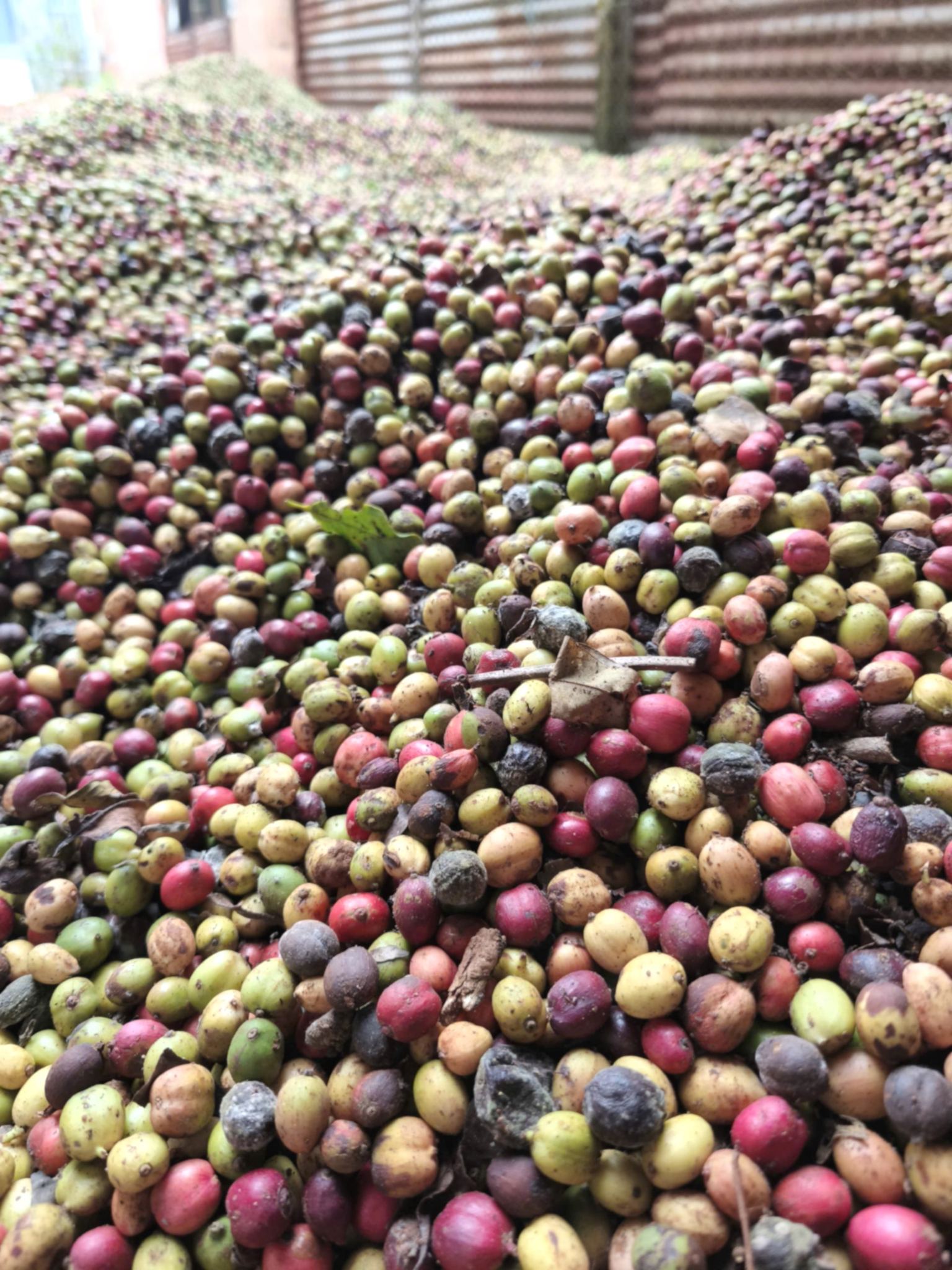
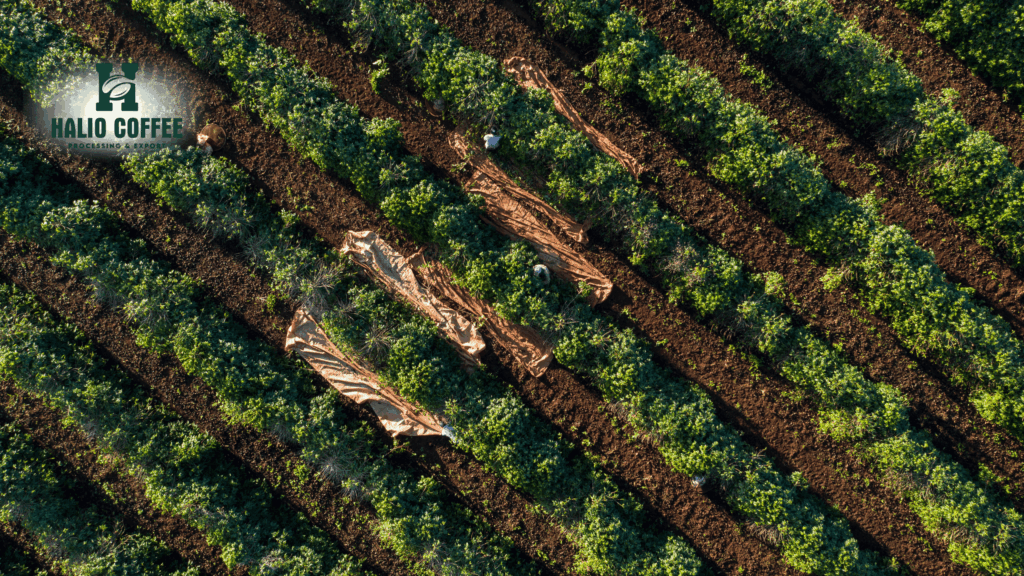
- The Hub: Buon Ma Thuot is the logistical hub where raw cherries from thousands of smallholders are aggregated, milled, and prepared for transport to Ho Chi Minh City ports.
The Supplier Hierarchy
When searching for Dak Lak coffee suppliers, you will encounter three distinct tiers of entities. Distinguishing between them is vital for your strategy.
- The Collector (Đại lý): Local agents who buy fresh cherries directly from farmers. They provide immediate liquidity to the farm gate but offer zero processing value for international buyers.
- The Commercial Trader: Entities that aggregate parchment coffee. They act as financial intermediaries. While they offer volume, they often lack control over the milling process, leading to “consistency drift.”
- The Vertically Integrated Manufacturer: These are the premier Dak Lak coffee suppliers. Companies like Halio Coffee or large state-owned enterprises that own the dry mills, color sorters, and polishing lines. They control the physical asset from the moment it leaves the farm until it is sealed in the container.
Expert Insight: In 2026, do not buy from a partner who cannot show you their own density tables and optical sorters. The era of “blind buying” from pure traders is over; compliance requires physical control.
2. Market Analysis: The 2026 “Buyer’s Window” in Dak Lak
Why is sourcing from Dak Lak coffee suppliers the most strategic move in Q1 2026? The answer lies in the data. We are currently seeing a divergence between global scarcity risks and local abundance.
The 18% Price Correction
After the volatile peaks of 2024-2025, the domestic price in Dak Lak has corrected significantly.
- The Data: As of January 2, 2026, new crop green coffee is trading between 97,500 and 98,300 VND/kg.
- The Delta: This represents a decrease of approximately 18% (or 21,100 – 21,400 VND/kg) compared to the same period last year.
- The Driver: This drop is fueled by “aggressive selling” from local merchants and farmers who need to monetize the harvest.
The Liquidity Surge
While origins like Indonesia are facing flood-induced supply cuts of 15%, Dak Lak coffee suppliers are flooding the market with liquidity.
- Export Velocity: Exports in November 2025 alone surged 39.1%.
- Strategic Implication: This creates a temporary window where buyers can secure high-volume contracts at a reduced basis. However, analysts predict that as the harvest concludes, domestic supply will tighten, and prices will recover. The time to act is now.
3. Technical Specifications: What to Demand from Dak Lak Coffee Suppliers
In the B2B context, you are not buying “coffee”; you are buying a technical specification. The capability of Dak Lak coffee suppliers to meet these specs determines the value of your final product.
The “Fine Robusta” Revolution
Dak Lak is moving beyond commodity grade. With Arabica prices rising due to Brazilian climate risks, roasters are turning to high-end Dak Lak Robusta as a functional substitute.
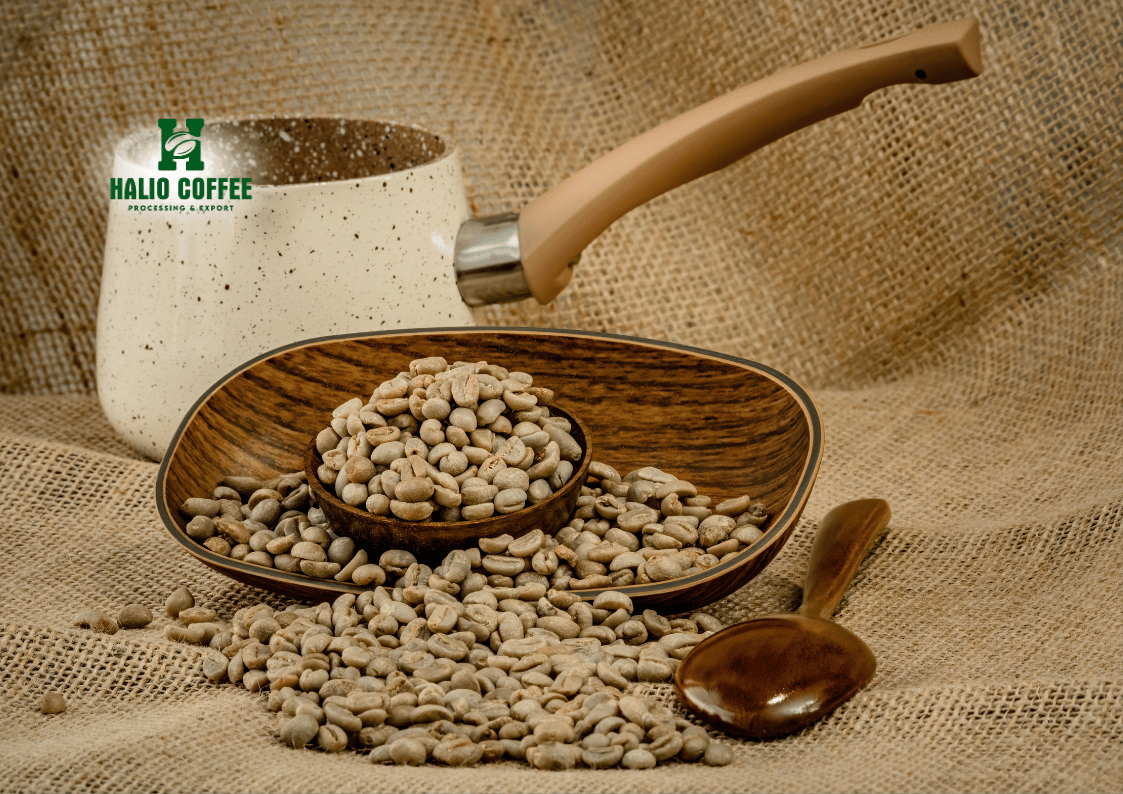
- Wet Polished (The Gold Standard): You should demand “Robusta Grade 1, Screen 18, Wet Polished.”
- The Process: High-pressure water friction removes the silverskin and cleans the bean surface.
- The Result: A cleaner cup, reduced earthiness, and a “bold body” that anchors a blend without the rubbery notes associated with lower-grade Robusta.
- Moisture Control: Demand strict adherence to a 10.0% – 12.5% moisture range. With logistics currently running at max capacity, the risk of “ship’s sweat” in containers is real if beans are loaded too wet.
Grading Standards (TCVN 4193:2005)
Professional Dak Lak coffee suppliers must guarantee the following for a Grade 1 contract:
- Black & Broken: Max 2%.
- Foreign Matter: Max 0.5%.
- Excelsa Beans: Max 0.5% (to ensure species purity).
- Screen Retention: Min 90% on Screen 18 (7.1mm).
4. Strategic Vetting: A Due Diligence Checklist
When evaluating potential partners in Buon Ma Thuot, rely on this audit checklist to filter out high-risk entities.
1. Traceability and EUDR Compliance
As of 2026, the European Union Deforestation Regulation (EUDR) is the defining constraint on trade.
- The Requirement: Dak Lak coffee suppliers must provide geolocation coordinates for every farm contributing to a lot.
- The Audit: Ask your supplier: “Can you map this container back to the specific plot of land?” If they answer with a general “region certificate,” they are not compliant. Professional suppliers are investing heavily in data systems to ensure full traceability.
2. Infrastructure Ownership
- The Check: Request a virtual or physical tour of their mill. Look for Buhler or equivalent optical sorters.
- Why: Owning the machinery allows the supplier to “manufacture consistency.” A trader who outsources milling cannot guarantee that your “Grade 1” won’t be blended with “Grade 2” to save costs.
3. Financial Stability & Export Terms
- The Pricing Model: Does the supplier offer PTBF (Price To Be Fixed) contracts? This allows you to lock in the “differential” (the premium over the London terminal) now, while fixing the base price later when the market dips.
- Incoterms: Prefer FOB (Free On Board) Ho Chi Minh City. This gives you control over the ocean freight and allows you to nominate your own forwarder, mitigating the risk of hidden logistics markups.
5. Risk Management: The “Structural Vulnerability” Factor
Despite the current abundance, the global market remains “structurally vulnerable”. Dak Lak coffee suppliers are your firewall against these risks.
Climate Resilience
While the current weather is good, the long-term trend involves shifting climate zones. Partner with suppliers who support their farmer networks with irrigation investment and resilient varietals.
The “Quality Fade” Risk
In a year where domestic prices dropped 18%, some unscrupulous suppliers may try to blend in “past crop” beans to maintain margins.
- The Defense: Implement a strict Pre-Shipment Sample (PSS) protocol. The PSS must be drawn by a third party (CafeControl or SGS) and cupped blindly against the offer sample.
Conclusion: The Strategic Pivot
Sourcing from Dak Lak coffee suppliers in 2026 is no longer a simple commodity transaction; it is a strategic pivot. By leveraging the current 18% price correction and the massive liquidity provided by the region’s record exports, buyers can secure a competitive advantage in a volatile global market.
However, success depends on specificity. It requires moving beyond generic “Vietnam Robusta” to demand specific value-added preparations like Wet Polished and enforcing rigorous traceability standards. The window to lock in these favorable terms is open now, but as domestic stocks tighten, it will not stay open forever.
To execute this strategy effectively, you must now turn your attention to the financial mechanics of the trade.
Would you like me to analyze “Robusta green coffee price” trends and hedging strategies to help you time your entry into the Dak Lak market?
- The Heart of Robusta: A Buyer’s Guide to Vetting Dak Lak Coffee Suppliers
- The Hidden Jewel of the Highlands: A Strategic Sourcing Guide to Lam Dong Arabica
- Brazil’s Arabica Coffee Production Forecast to Drop Sharply
- How Coffee Roasters Are Fighting Rising Costs
- Coffee Prices Today, September 2: Robusta Drops Sharply but Market Sentiment Remains Optimistic