The Proximity Paradox: Strategic Sourcing of Raw Coffee Beans Near Me for Small-Batch Roasters

Dec
In our previous guide, we executed the definitive playbook on how to order green coffee beans in wholesale volumes. We mapped out the complex logistics of FCL (Full Container Load) purchasing, establishing that direct-from-origin sourcing is the gold standard for margin control and scalability.
However, not every coffee business is ready for 19 metric tons of beans.
For the artisan micro-roaster, the startup coffee lab, or the high-end café roasting on a 5kg machine, the logistical weight of a full container is crushing. You need agility. You need variety. You need raw coffee beans near me.
This search query is often dismissed by industrial players as amateurish, but for a specific segment of the market, it is a vital strategic necessity. Sourcing locally (from domestic importers) trades margin for flexibility. It allows you to experiment with 10 different origins without committing $100,000 in capital.
This guide is your professional manual for navigating the domestic spot market. We will deconstruct the economics of buying local, provide a rigorous framework for vetting domestic importers, and reveal how to use local sourcing as a stepping stone to building direct relationships with origin powerhouses like Halio Coffee Co., Ltd.
The Economics of “Near Me”: Convenience vs. Cost
When you type “raw coffee beans near me” into a search engine, you are looking for a Domestic Spot Market Importer.
What You Are Paying For
The price of a bag of coffee in a New Jersey or Hamburg warehouse is significantly higher than the FOB price in Vietnam. Why?
- Finance: The importer paid for the coffee 3 months ago. You are paying their interest.
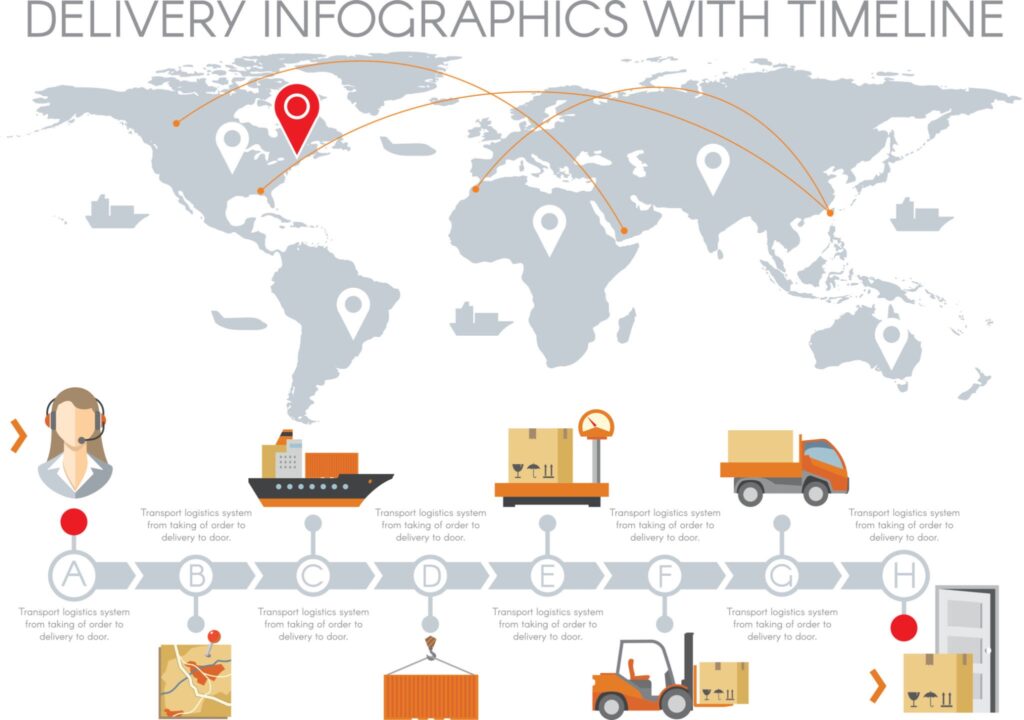
- Logistics: They paid the ocean freight, customs clearance, and drayage.
- Storage: Warehousing in the US or EU is expensive.
- Risk: They took the risk that the coffee might fade or the market might crash.
- Break-Bulk: They are breaking a 320-bag container into single bags for you.
The Math:
- Direct FOB Price (Vietnam): $2.50/lb
- Landed Cost (Importer’s Cost): $2.80/lb
- “Near Me” Spot Price: $4.20 – $4.80/lb
The Strategic Trade-Off: You are paying a 50-70% premium for the privilege of buying small. This is acceptable if your business model relies on variety and low capital exposure. It is unsustainable if you are trying to compete on price with large commercial roasters.
When to Source “Near Me” (And When Not To)
Sourcing locally is a tool. Use it for the right job.
The Green Light: Use Local Spot Suppliers When…
- You are a Startup: You roast <50 bags a year. Your cash flow cannot support a container purchase.
- You Need Variety: Your menu changes monthly. You want to offer a Kenya, a Colombia, and a Vietnam Arabica simultaneously.
- Emergency Buffer: Your direct container from Vietnam is delayed. You need 20 bags tomorrow to keep the roaster running.
- Micro-Lot Discovery: You want to try a super-exotic, experimental lot (e.g., an Anaerobic Natural) where the total farm production is only 5 bags.
The Red Light: Go Direct When…
- You Have a “Core” Blend: You use the same Robusta base for your espresso blend every month. Buying this on the spot market bleeds margin. This volume should go to a direct supplier like Halio Coffee.
- You Need Consistent Specs: Spot lots change. One month it’s Screen 18; the next it’s Screen 16. If you need consistency, you need a contract.
Vetting the “Near Me” Supplier: The Domestic Checklist
Just because a supplier is local doesn’t mean they are good. You must vet a domestic importer with the same rigor as an origin exporter.
1. The Storage Audit (Climate Control)
Green coffee degrades rapidly in Western summers.
- The Question: “Is your warehouse temperature and humidity controlled?”
- The Standard: Coffee stored above 25°C or 60% humidity fades quickly. If their warehouse is a metal shed in Texas or a damp basement in London, the expensive specialty coffee you buy will taste like wood.
- The Test: Check the moisture content of the beans you buy. If it’s below 10%, the coffee has dried out in their storage.
2. The Freshness Audit (Arrival Dates)
- The Question: “What was the arrival date of this specific lot?”
- The Trap: Importers often sit on “past crop” coffee for 1-2 years. They will discount it, but it will taste flat.
- The Strategy: Always ask for “Current Crop” and verify the landing date. A discount on old coffee is not a deal; it’s a liability.
3. The Traceability Audit
Can the local importer tell you the story?
- The Question: “Who is the exporter?”
- The Standard: A good importer works with transparent partners. They should be able to tell you, “This lot came from Halio Coffee Co., Ltd in Dak Lak“. They should be able to share the farm story and processing details.
- The Red Flag: “It’s just a standard Vietnam blend.” This means they bought the cheapest commodity lot possible.
Bridging the Gap: How “Near Me” Leads to “Direct Trade”
The smartest roasters use local sourcing as a stepping stone.
Step 1: The Spot Test You buy 5 bags of Vietnam Robusta Honey Processed Coffee from a local importer. You roast it. Your customers love the “bold and smooth body” and “sweet undertones.”
Step 2: The Volume Pivot Your sales grow. You are now using 20 bags a month. The spot price is hurting your margin.
Step 3: The Direct Connection You look at the bag markings or ask the importer for the source. You identify Halio Coffee. You reach out to Ms. Eli directly.
- The Conversation: “I’ve been buying your Honey Robusta via [Local Importer]. I love the quality. I’m ready to contract half a container directly.”
This is how you scale. You use the “Near Me” search to validate quality, then move to the green coffee bean suppliers list to secure margin.
What to Buy Locally: The “Micro-Lot” Opportunity
While you should move your core volume to direct trade, the “Near Me” market remains the best place to find ultra-small, high-risk micro-lots.
- Experimental Processing: Look for things like
Arabica Natural Processedfrom Cầu Đất. These “fruit-forward, wild” coffees are risky to buy by the container (what if your customers don’t like the funk?), but perfect to buy by the bag locally for a “Limited Release.” - Rare Varieties: Finding a specific Typica or Bourbon lot in small quantities is easier through a boutique importer who consolidates rare lots.
Conclusion: Proximity is a Tool, Not a Strategy
Searching for “raw coffee beans near me” is a valid tactic for agility and experimentation. It allows you to access a global library of flavors—from Lam Dong Arabica to Dak Lak Robusta—with next-day delivery.
However, do not let convenience become complacency. As you grow, you must constantly evaluate the cost of that convenience. The ultimate goal of a professional buyer is to shorten the supply chain, moving closer and closer to the source until “Near Me” refers not to a warehouse in your city, but to a relationship with a producer in Vietnam.
Now that you have mastered the logistics of sourcing—whether local or global—we must turn our attention to the specific product categories that define the high-end market. We have discussed “green beans” generally, but there is a specific category that demands rigorous certification and offers a powerful marketing advantage.
It is time to explore the world of organic unroasted coffee beans.
- The Renaissance of Terroir: A Strategic Guide to Sourcing Single Origin Vietnam Coffee
- Coffee Prices Today, Nov 25: Arabica Rebounds on Supply Tightness While Robusta Slips as Vietnam Rains Ease
- The Strategic Pivot: Vetting Vietnam Robusta Green Bean Suppliers in 2026
- How to Vet Vietnamese Coffee Suppliers
- The Definitive Market Map: An Analysis of the Top Green Coffee Exporters in Vietnam