The Renaissance of Terroir: A Strategic Guide to Sourcing Single Origin Vietnam Coffee

Jan
In the historical lexicon of the global coffee trade, “Vietnam” was treated as a monolith—a single, massive origin used primarily for volume, caffeine, and cost reduction. For decades, the nuances of its geography were flattened into generic descriptors like “Grade 2” or “FAQ” (Fair Average Quality). However, as we navigate the complex market dynamics of 2026, a profound shift has occurred. The era of the monolith is over. We have entered the era of the micro-region.
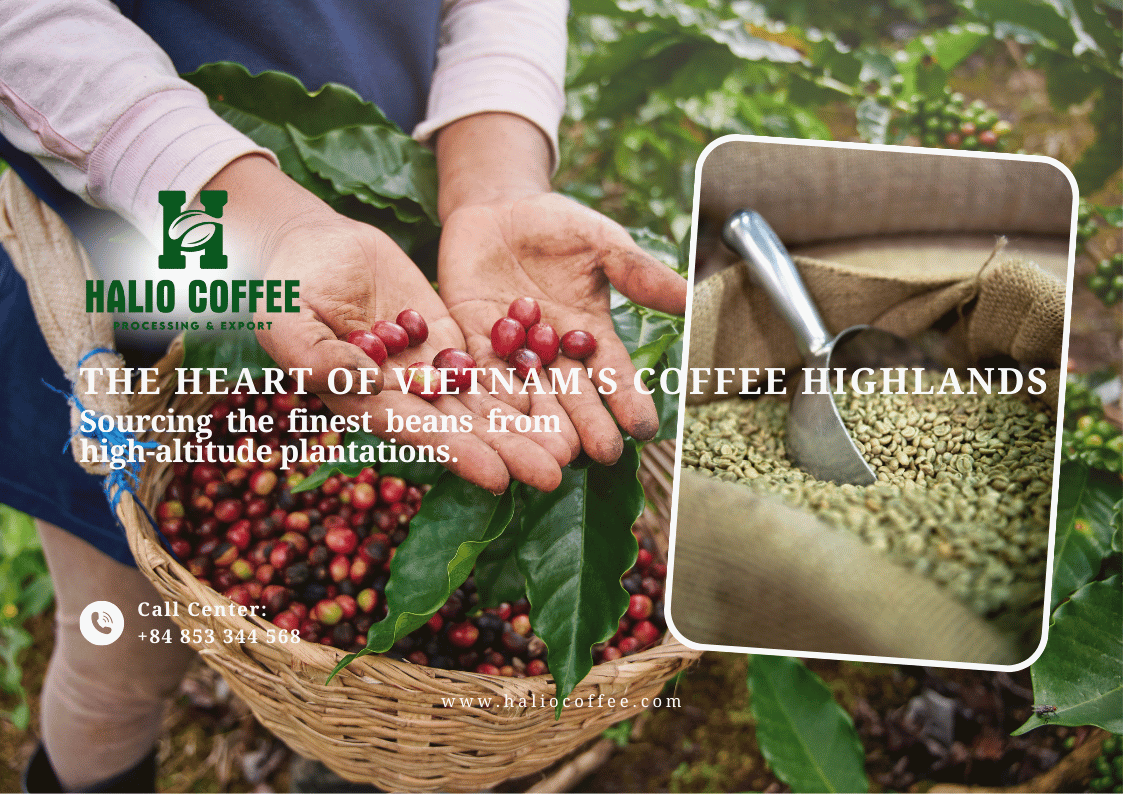
For the professional roaster and green buyer, single origin Vietnam coffee is no longer a contradiction in terms; it is one of the most strategic assets in the modern supply chain. As we stand in early 2026, the global market is defined by “structural vulnerability” in traditional Arabica origins like Brazil and record-breaking consumption demand. In this context, Vietnam’s diverse terroirs—from the mist-shrouded peaks of Cau Dat to the basaltic plateaus of Buon Ma Thuot—offer a solution that combines distinct flavor profiles with scalable volume.
This guide is your executive manual for navigating this emerging sector. We will move beyond the commodity mindset to dissect the specific micro-climates, the “Fine Robusta” revolution, and the rigorous traceability standards that define single origin Vietnam coffee today. We will analyze how to leverage the current 18% price correction in the domestic market to secure high-scoring lots that deliver distinctiveness without the volatility of the “C” market.
Market Context 2026: The Strategic Case for Single Origin Vietnam Coffee
Why should a buyer pivot their attention to single origin Vietnam coffee in Q1 2026? The answer lies in the divergence between global scarcity and local abundance.
The Value Arbitrage
The most compelling argument for sourcing Vietnamese single origins right now is economic.
- The Price Correction: As of January 2, 2026, the domestic price for green coffee in Vietnam has corrected to 97,500 – 98,300 VND/kg. This represents a decrease of approximately 18% compared to the highs of 2025.
- The Opportunity: While generic commodity lots have dropped, premium single-origin lots have also softened in price relative to the global market. This creates a “Golden Window” where roasters can upgrade their portfolio—moving from generic blends to traceable single origin Vietnam coffee—at a lower entry cost than last year.
The Supply Reliability
While other origins struggle with climate shocks, Vietnam is delivering the goods.
- Export Surge: In the first two months of the 2025-2026 crop year, Vietnam exported 2.63 million bags, a massive 51.9% increase year-on-year.
- Strategic Reliability: Contrast this with Brazil, where heatwaves are threatening the 2026 crop, or Indonesia, where floods are expected to cut exports by 15%. Single origin Vietnam coffee offers a stable, traceable supply line in a volatile world.
Mapping the Terroir: Distinct Regions of Single Origin Vietnam Coffee
To source effectively, you must understand that “Vietnam” is not a single flavor profile. It is a collection of distinct ecosystems. Sourcing single origin Vietnam coffee requires knowing exactly which district—and even which commune—aligns with your sensory goals.
1. Lam Dong: The Arabica Heartland (Cau Dat & Lac Duong)
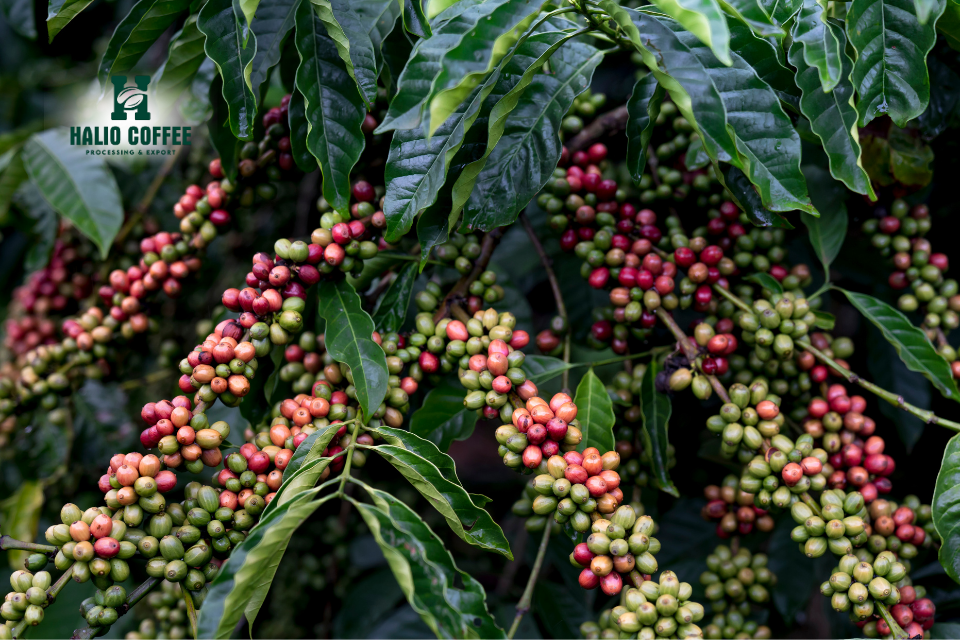
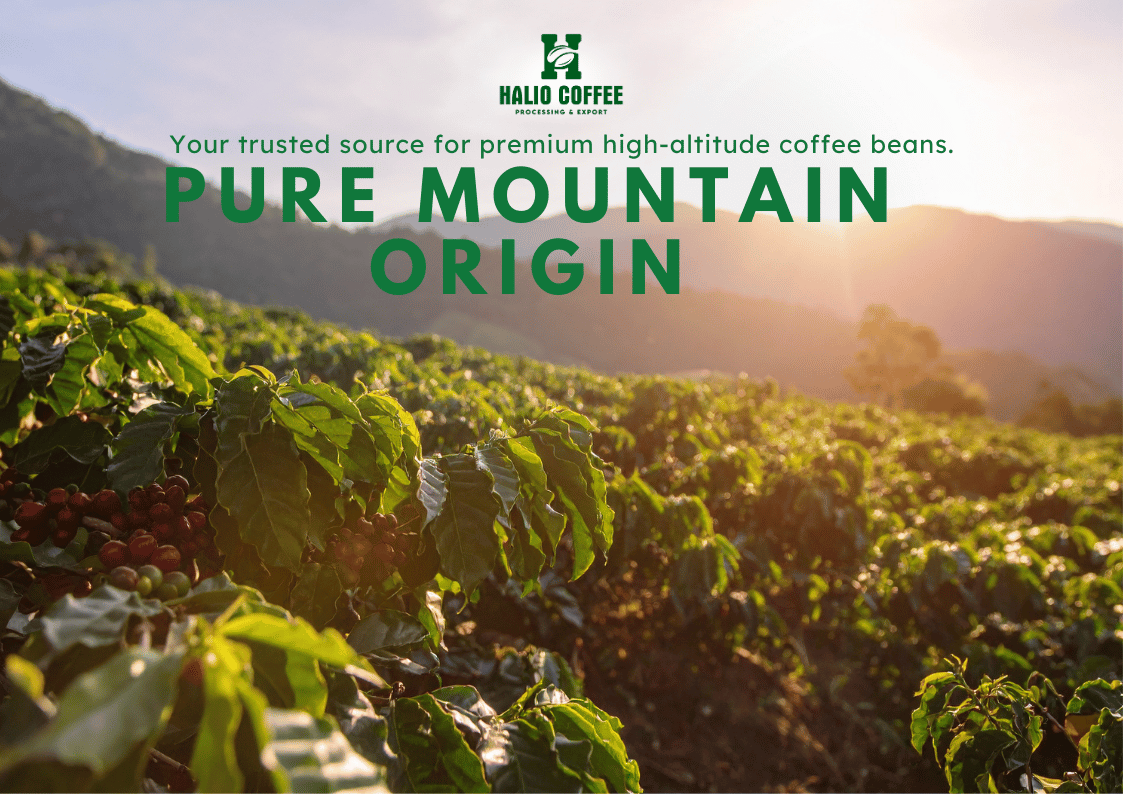
Located in the Central Highlands at elevations ranging from 1,450 to 1,650 MASL, this is the premier source for single origin Vietnam coffee of the Arabica species.
- Terroir: Cool, misty climate often compared to Costa Rica’s Tarrazú. The soil is rich in volcanic nutrients.
- Varietals: Historically Catimor, but 2026 sees a rise in Typica, Bourbon, and Sarchimor.
- Flavor Profile: When processed as “Fully Washed,” these coffees offer bright acidity, notes of lemon zest, pine, and caramel. They are the perfect single-origin component for a “Breakfast Blend” or a standalone filter coffee.
- Buying Tip: Look for lots specifically from Cau Dat. The micro-climate here produces the highest density beans in the country.
2. Dak Lak: The Robusta Capital (Buon Ma Thuot & Cu M’gar)
This is the engine room, but within the volume lies nuance.
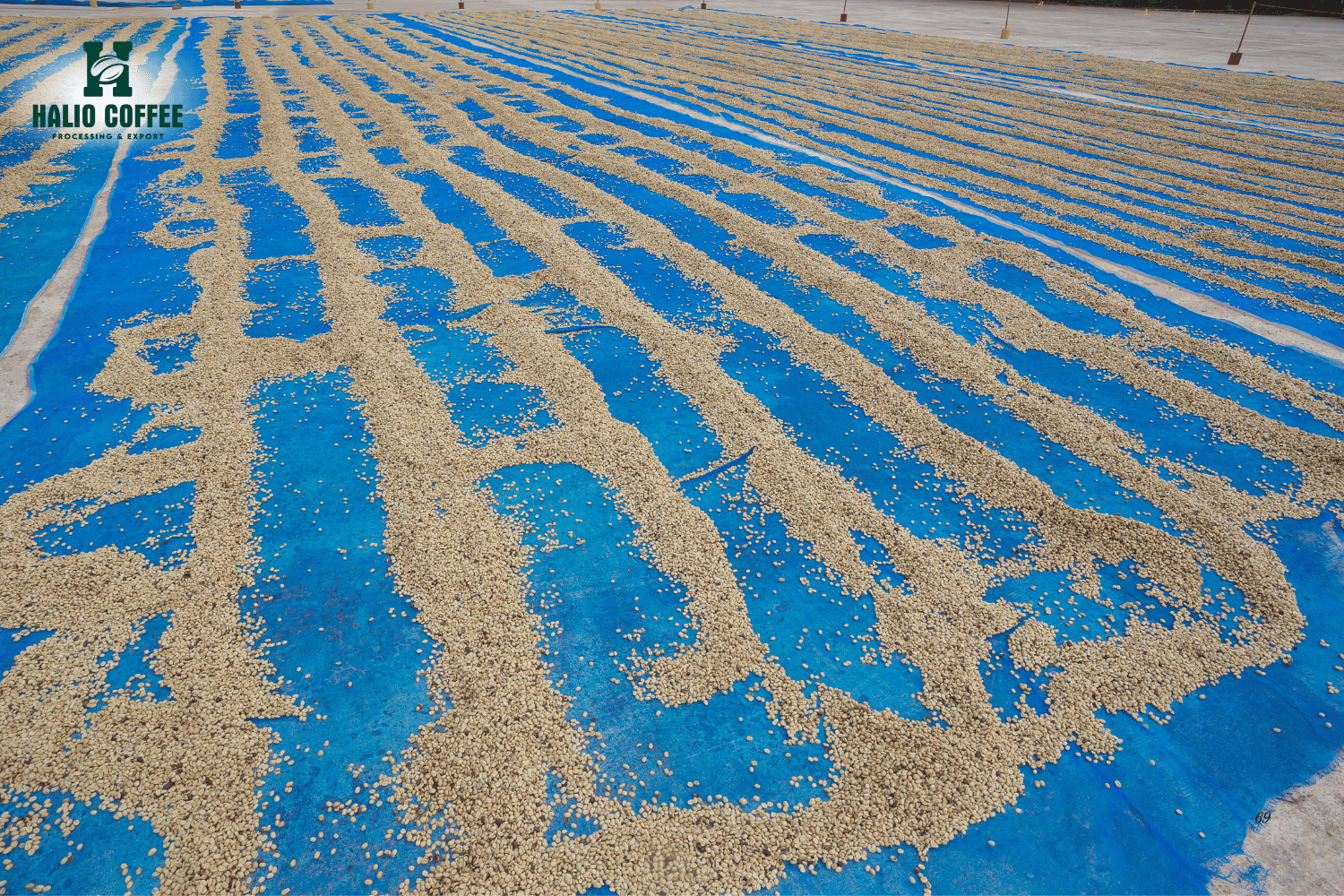
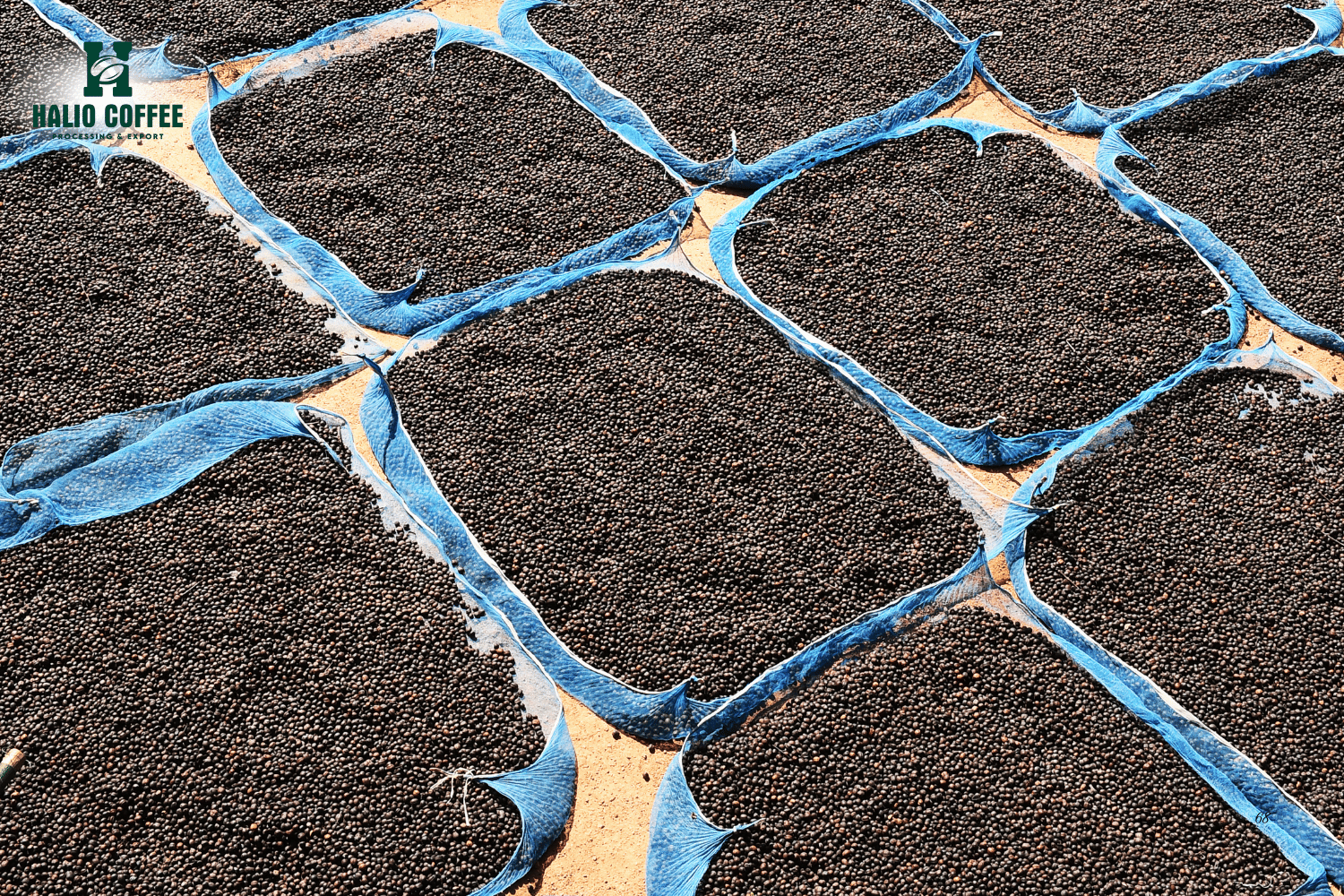
- Terroir: Basaltic red soil plateaus at 500–800 MASL. The distinct dry season (happening now in Jan 2026) allows for perfect sun-drying.
- Flavor Profile: Classic, bold, and chocolaty. A single origin Vietnam coffee from Cu M’gar is prized for its high body and low acidity. It is the quintessential espresso base.
- The Upgrade: Look for “Wet Polished” lots from this region. The polishing removes the earthiness, leaving a clean, neutral, and sweet cup.
3. Gia Lai and Kon Tum: The New Frontiers
These northern provinces of the Central Highlands are emerging as the source of some of the most exciting “Fine Robusta.”
- Terroir: Higher altitudes than Dak Lak (700–900 MASL) and cooler nights.
- Flavor Profile: These beans often exhibit more complexity, with notes of dried fruit and spices.
- Innovation: This region is a hub for Honey and Natural processing experiments, driving the single origin Vietnam coffee movement into the specialty sector.
The Rise of “Fine Robusta” as a Single Origin
For decades, Robusta was hidden in blends. In 2026, single origin Vietnam coffee is increasingly defined by the “Fine Robusta” movement—beans that are treated with the same agronomic and processing care as specialty Arabica.
Why Single Origin Robusta?
With Arabica prices rising due to Brazilian climate risks, roasters are seeking alternatives. A single-origin Fine Robusta from Vietnam offers:
- Complexity: When processed as a “Natural” or “Honey,” Robusta can display notes of jackfruit, banana, cacao nibs, and even winey acidity.
- Cost Efficiency: Even a premium Fine Robusta trades at a significant discount to a specialty Arabica, helping to stabilize margins.
- Sustainability: Robusta is more climate-resilient. Sourcing single origin Vietnam coffee of the Robusta variety aligns with long-term sustainability goals.
Processing as a Differentiator
The definition of single origin Vietnam coffee is now intrinsically linked to processing.
- Anaerobic Fermentation: Producers are fermenting Robusta cherries in sealed tanks to amplify fruitiness.
- Double Washed: Mimicking the Kenyan style to create a super-clean, high-acidity Robusta profile.
Technical Specifications: Vetting Single Origin Vietnam Coffee
When you move from buying commodity “Grade 1” to buying single origin Vietnam coffee, the technical requirements tighten. You are paying for distinctiveness, and you must verify that you are getting it.
1. Traceability: The EUDR Mandate
The most critical specification in 2026 is data.
- The Requirement: As of 2026, the EU Deforestation Regulation (EUDR) mandates full traceability.
- The Single Origin Advantage: Sourcing single origin Vietnam coffee makes compliance easier. Instead of a commingled lot from 5,000 unknown farmers, a single origin lot typically comes from a specific cooperative or estate with mapped polygon coordinates.
- The Check: Verify the geolocation data before shipping. A general “Dak Lak” certificate is insufficient; you need the specific commune data.
2. Physical Grading (Beyond S18)
While “Robusta G1 S18” is the commercial standard, single origin Vietnam coffee requires a specialty grade approach.
- Defect Count: Primary defects must be 0. Secondary defects < 5.
- Screen Size: Uniformity is key, but for peaberries or specific varietals, screen size might vary. Focus on density over just size.
- Moisture: Strict adherence to 10.0% – 12.0%. Note the lower ceiling. Specialty lots are often dried more carefully to preserve water activity (aw) below 0.60 for longevity.
3. Sensory Audit (The Cup Score)
- Commercial Robusta: Scores n/a (graded on defects).
- Fine Robusta (Single Origin): Should score 80+ on the CQI Fine Robusta scale. Look for: Cleanliness (no rubber/phenol), Sweetness (brown sugar/molasses), and Balance.
- Arabica (Single Origin): Should score 83+. Look for: Acidity (citric/malic), Body (medium/smooth), and Aftertaste (clean).
Risk Management: Red Flags in the Single Origin Market
The premium attached to the label single origin Vietnam coffee attracts bad actors. Be vigilant against these specific risks in the 2026 market.
1. The “Region Washing” Scam
- The Risk: A supplier takes commercial grade Robusta from a low-altitude district, processes it well, and labels it as “Cau Dat Arabica” or “Highland Fine Robusta.”
- The Detection: The “Cut Test” and Visual Inspection. Robusta beans are rounder with a straight center cut; Arabica are oval with a curved cut. Chemically, the caffeine content is a giveaway (Robusta ~2.2%, Arabica ~1.2%).
- The Solution: Only work with vertically integrated manufacturers who own the mills in the specific regions.
2. The “Flavor Infusion” Trick
- The Risk: To mimic the fruitiness of high-end single origin Vietnam coffee (Natural process), some producers soak green beans in fruit juice or artificial flavors during fermentation.
- The Detection: The flavor is “too loud” and chemical-like. It fades rapidly after roasting. The green beans may have an unnatural stain or smell like candy.
- The Defense: Demand a “process transparency” report and buy from reputable partners who focus on genuine fermentation.
3. “Past Crop” Blending
- The Context: With the new crop trading 18% lower, there is a temptation to mix old, faded beans into single-origin lots to clear inventory.
- The Impact: This destroys the “terroir” character, replacing it with woody, papery notes.
- The Check: UV Light inspection. Old crop beans fluoresce differently than fresh crop.
Logistics and Execution: Preserving the Identity
Once you have identified a pristine lot of single origin Vietnam coffee, you must protect its identity through the logistics chain.
Separation is Key
- The Issue: In a busy dry mill, “single origin” lots can easily be mixed with commercial lots if the lines are not flushed.
- The Protocol: Require your supplier to flush the gravity tables and color sorters before running your specific lot.
Packaging for Value
- The Standard: GrainPro or Ecotact liners are mandatory for single origin Vietnam coffee.
- The Vacuum Option: For high-value micro-lots (e.g., Anaerobic Arabica), consider 30kg vacuum-packed boxes. This freezes the aging process and preserves the delicate volatiles that define the origin character.
Conclusion: The Strategic Pivot to Terroir
In 2026, single origin Vietnam coffee represents the intersection of value and quality. It allows the professional buyer to escape the commoditized volatility of the general market and secure distinct, traceable, and high-scoring beans at a price point that makes sense for the bottom line.
By leveraging the current 18% price correction and the massive liquidity of the Vietnamese export sector, you can build a coffee program that is not only financially robust but also flavorfully distinct. The key is to move beyond the “Vietnam” label and engage with the specific terroirs—Cau Dat, Cu M’gar, Pleiku—that are defining the future of the industry.
You have now secured the unique flavor profiles that differentiate your brand. The final piece of the puzzle is determining the right price for these premium assets.
- The Hidden Jewel of the Highlands: A Strategic Sourcing Guide to Lam Dong Arabica
- Raised Bed Drying Coffee: A Key Technique in Modern Coffee Production
- Vietnamese Arabica B Grade Coffee: An Essential Bridge in the Global Coffee Supply Chain
- Strategic Horizons: Mastering Annual Planning with Your Coffee Supplier for Supply Chain Resilience
- Coffee Prices Today, October 7th: Quiet Trading as Market Awaits US-Brazil Tariff Talks