The State of Coffee Producers 2026: A Strategic Analysis of Supply, Risk, and Structural Change
Jan
As we enter 2026, the landscape for coffee producers is defined by extreme contrasts. While the immediate supply picture is improving due to a robust harvest in Vietnam, the long-term stability of global production remains “structurally vulnerable”. Producers are navigating a complex matrix of climate shocks, shifting trade policies (such as U.S. tariffs), and a growing demand for traceability.
This analysis synthesizes market data from late 2025 and early 2026 to provide a comprehensive overview of the current state of global coffee production, focusing on the “Big Three”: Vietnam, Brazil, and Indonesia.
1. Vietnam: The Robusta Powerhouse Stabilizes
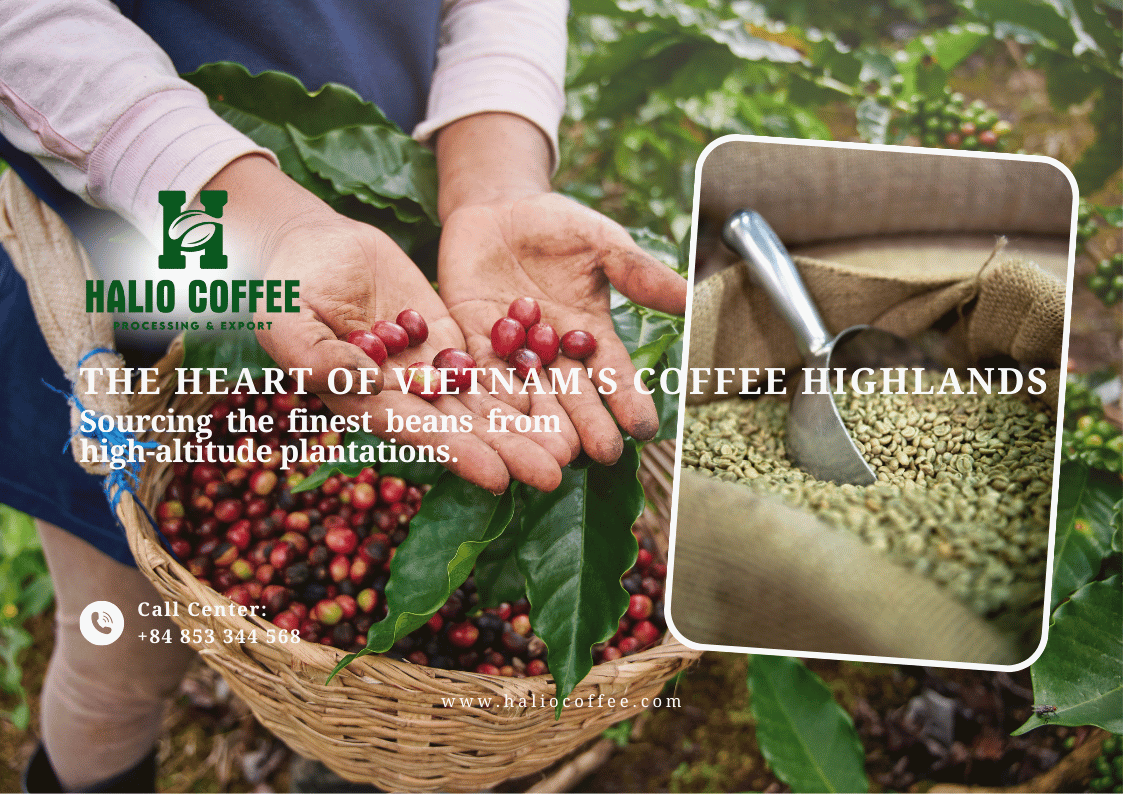
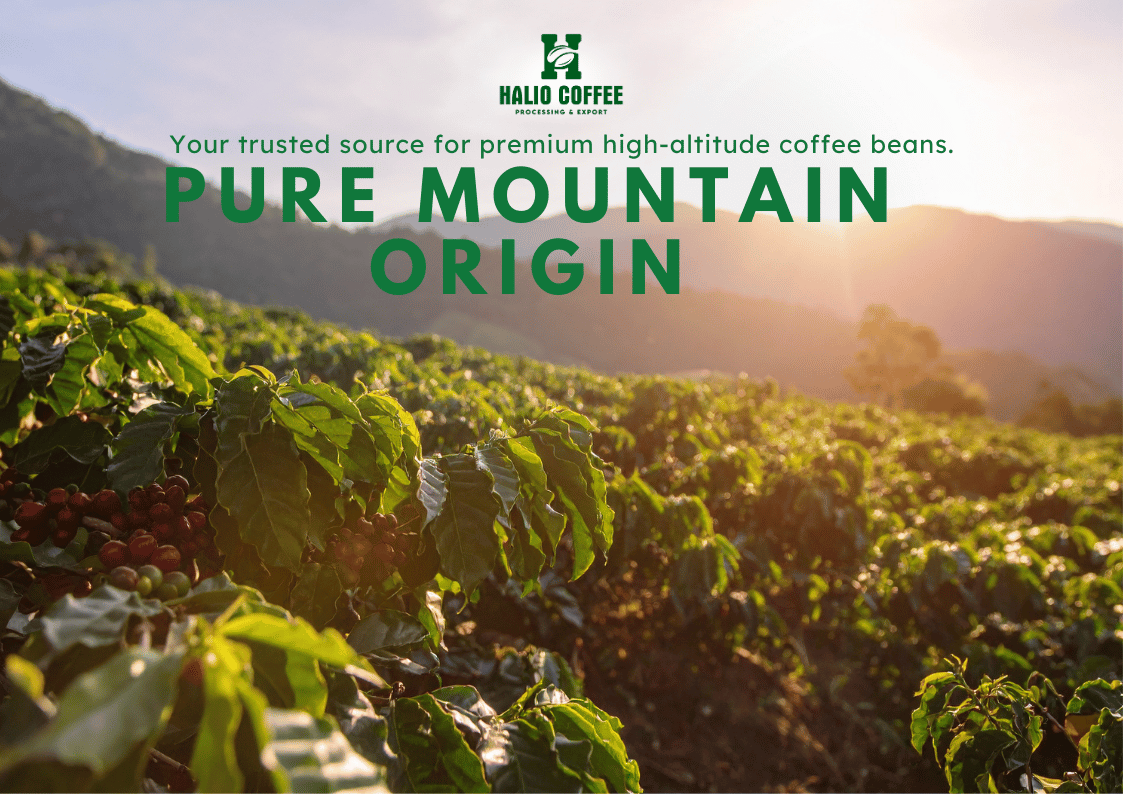
Vietnam, the world’s largest Robusta producer, is currently the primary driver of market liquidity. After a turbulent start to the season caused by storms, the sector has stabilized, creating a significant pricing opportunity for buyers.
- Harvest & Price Correction: As of January 2, 2026, the new crop in Vietnam is trading 18% lower than the previous year, with prices hovering between 97,500 – 98,300 VND/kg. This correction is driven by aggressive selling from farmers and local merchants eager to offload the new harvest.
- Export Surge: Despite earlier weather delays, logistics have recovered remarkably. Exports in November 2025 surged 39.1% year-on-year. For the first two months of the 2025-2026 crop year, exports reached 2.63 million bags, a massive 51.9% increase compared to the same period prior.
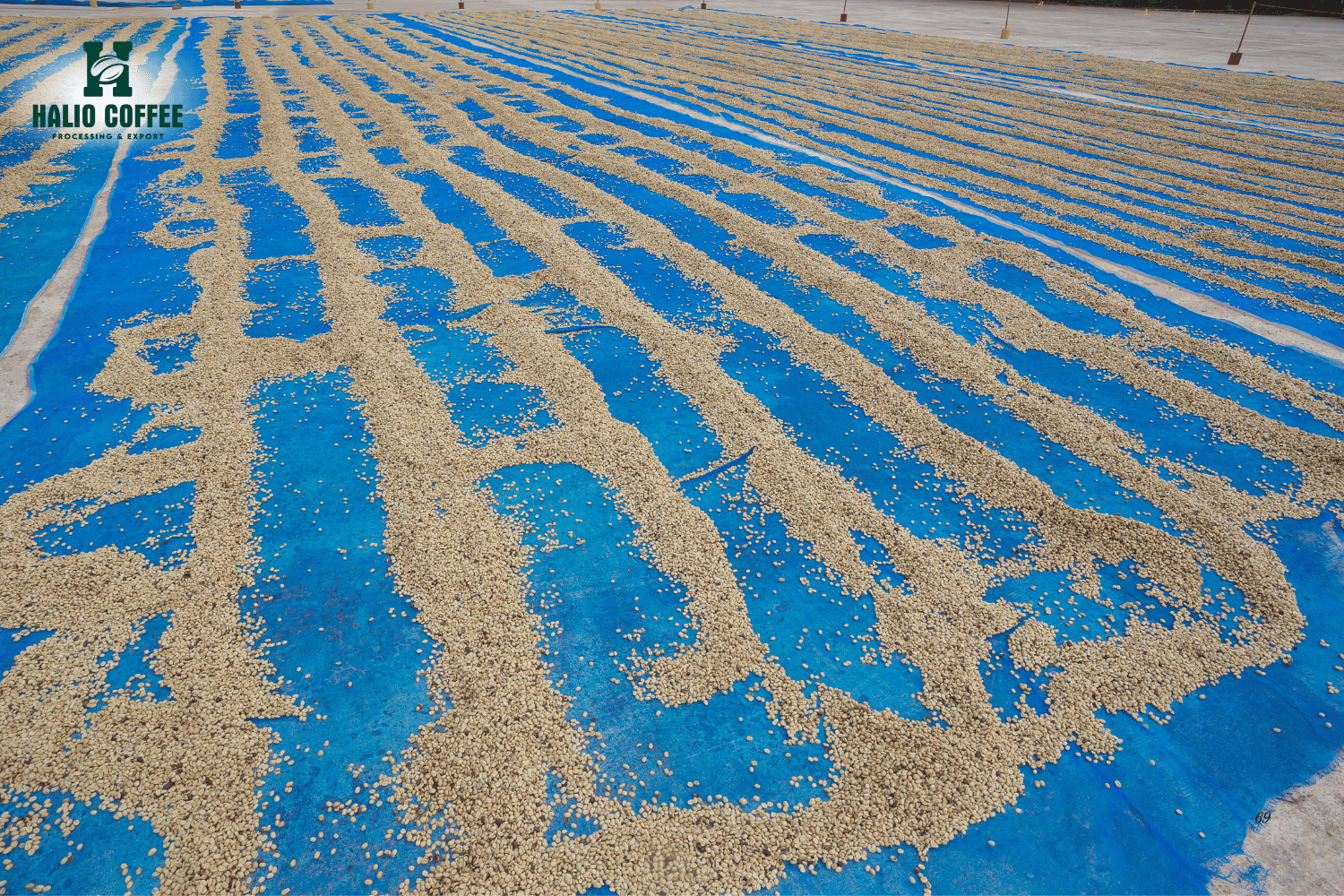
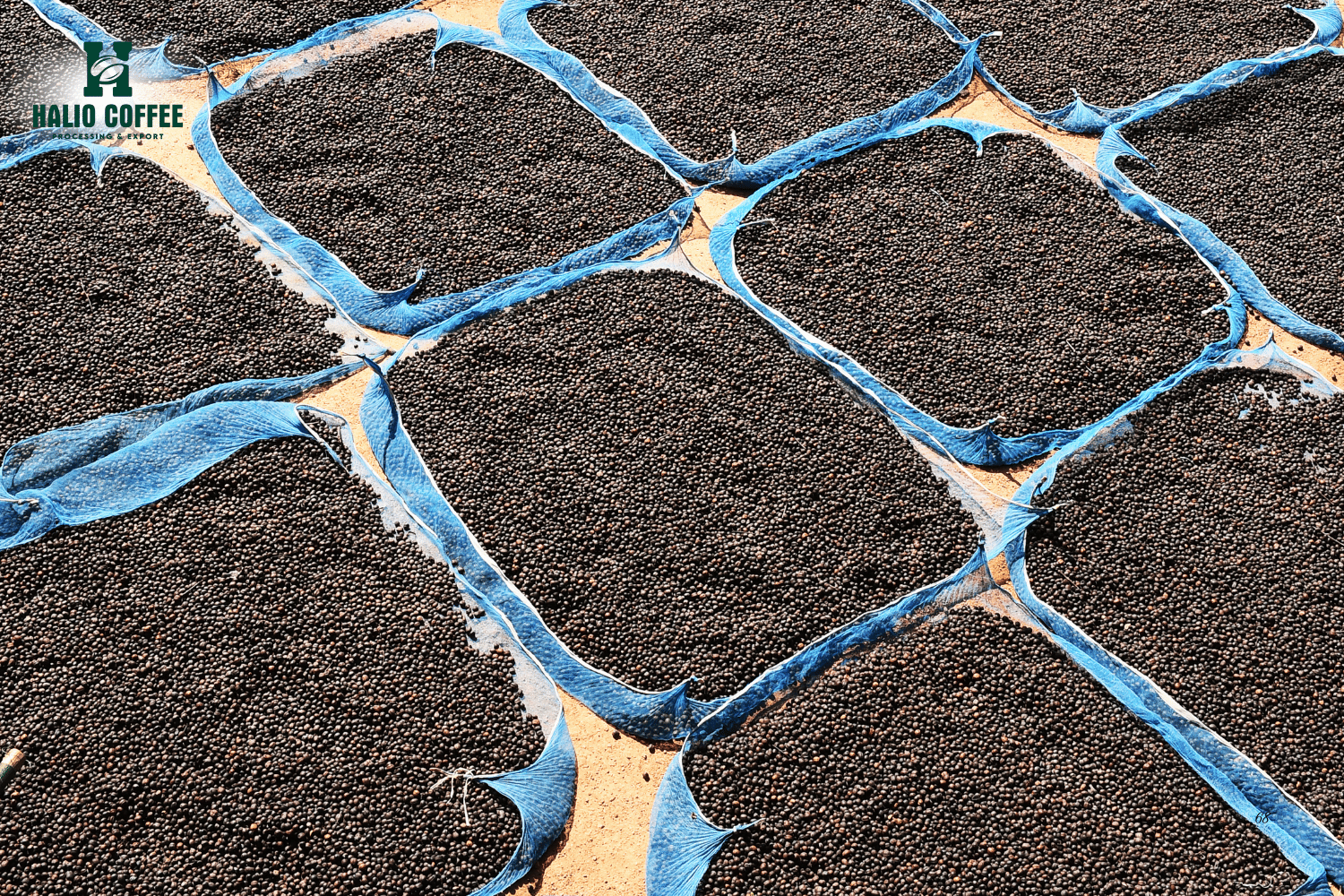
- Weather Outlook: Conditions have turned favorable, with dry weather in the Central Highlands supporting harvesting and drying activities.
Analysis: Vietnam is currently the most reliable anchor in the global supply chain. The combination of high yields and a price correction makes this the optimal window for sourcing bulk Robusta.
2. Brazil: The Arabica Giant Under Climate Pressure
While Vietnam offers stability, Brazil presents a mixed picture of potential recovery and lingering climate risk.
- Production Forecasts (The Data Divergence): There is a discrepancy in production estimates. Conab (Brazil’s supply agency) raised its 2025 forecast to 56.54 million bags. However, the USDA’s Foreign Agricultural Service slashed its forecast by 2 million bags, citing a 13.6% drop in Arabica output. Conversely, Brazil’s Robusta production is estimated to hit a record 25 million bags, up 19%.
- Climate Volatility: The outlook for the 2026-2027 crop is tentatively positive, with Hedgepoint projecting a recovery to 71–74.4 million bags due to improved flowering. However, immediate risks persist; intense heatwaves in late December threatened the fruit-setting stage, and rainfall in key regions like Minas Gerais remains below historical averages.
- Export Challenges: Exports faltered in late 2025, with November shipments dropping 27.1%. Robusta exports specifically plunged 68%. This was partly due to U.S. tariffs, though the recent removal of a 40% surcharge is expected to normalize trade flows.
Analysis: Brazil remains the source of market volatility. While the potential for a bumper 2026 crop exists, it hangs on the thread of unpredictable weather patterns.
3. Emerging Risks and Opportunities: Indonesia and Uganda
Beyond the giants, secondary producers are shaping the margins of the market.
- Indonesia (Crisis Mode): The world’s third-largest Robusta producer is facing a climate crisis. Widespread flooding in North Sumatra has saturated soils, potentially reducing exports for the 2025-2026 season by 15%. This creates tightness in the specific Arabica niches that Indonesia usually fills.
- Uganda (Export Boom): In contrast, Uganda is capitalizing on favorable weather. Exports in October 2025 jumped 38%, generating record revenues of $2.4 billion over a 12-month period. This positions Uganda as a vital alternative source for Robusta buyers.
4. Structural Shifts: The Future of Production
According to international commodity trader William Peberdy, the coffee industry is entering a phase of “structural vulnerability”.
- Declining Potential: Traditional growing regions are seeing a long-term decline in production potential due to shifting climate zones and rising costs of replanting.
- Traceability as Standard: By 2026, full traceability regarding origin will become a standard requirement across both premium and mass-market segments.
- Direct Relationships: To mitigate these risks, the market is shifting towards long-term supply models. Producers and importers are moving away from spot trading to stable partnerships that encourage investment in local processing and brand development.
Conclusion: The Producer Landscape in 2026
For buyers, the current landscape offers a clear strategic directive: Leverage the Vietnamese harvest now, but hedge against Brazilian volatility later.
The 18% price drop in Vietnam provides immediate relief, but the “structural vulnerability” of the global system means that low prices are unlikely to be permanent. With global consumption projected to reach a record 169–170 million bags, the supply-demand balance remains razor-thin.
Next Step: With production dynamics shifting, understanding the financial implications is critical. Would you like to explore “Wholesale coffee beans pricing models” to better navigate these producer trends?
- Coffee Prices Today 30/9: Both Exchanges Decline; Vietnam’s Coffee Exports Hit Record Over $6.7 Billion
- The Executive Guide to Private Label Coffee Manufacturing Vietnam
- Identifying and Vetting Raw Coffee Beans Suppliers
- Coffee Prices Today, Nov 6: Both Markets Rise; Strong Arabica Rally Pulls Robusta Higher
- Robusta Coffee Beans for Roasting: A Complete Guide for Producers, Distributors, and Roasters