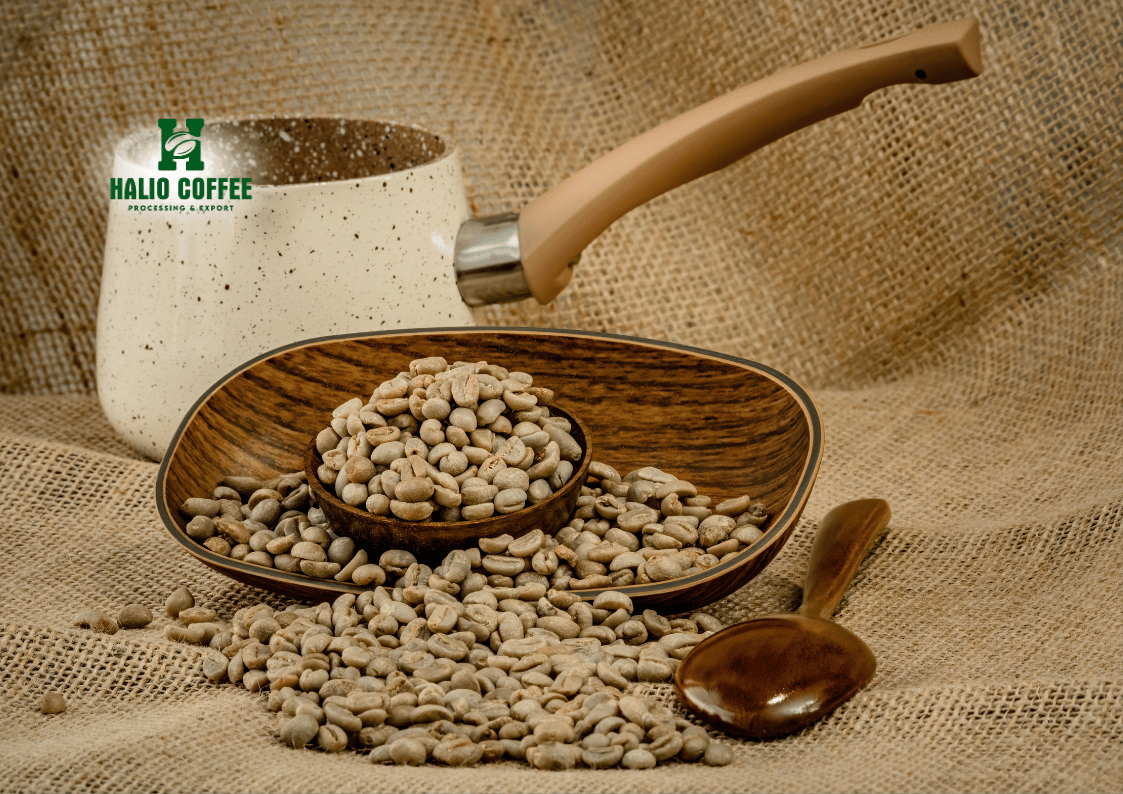
Understanding the Role of Green Coffee Beans Manufacturers
Dec
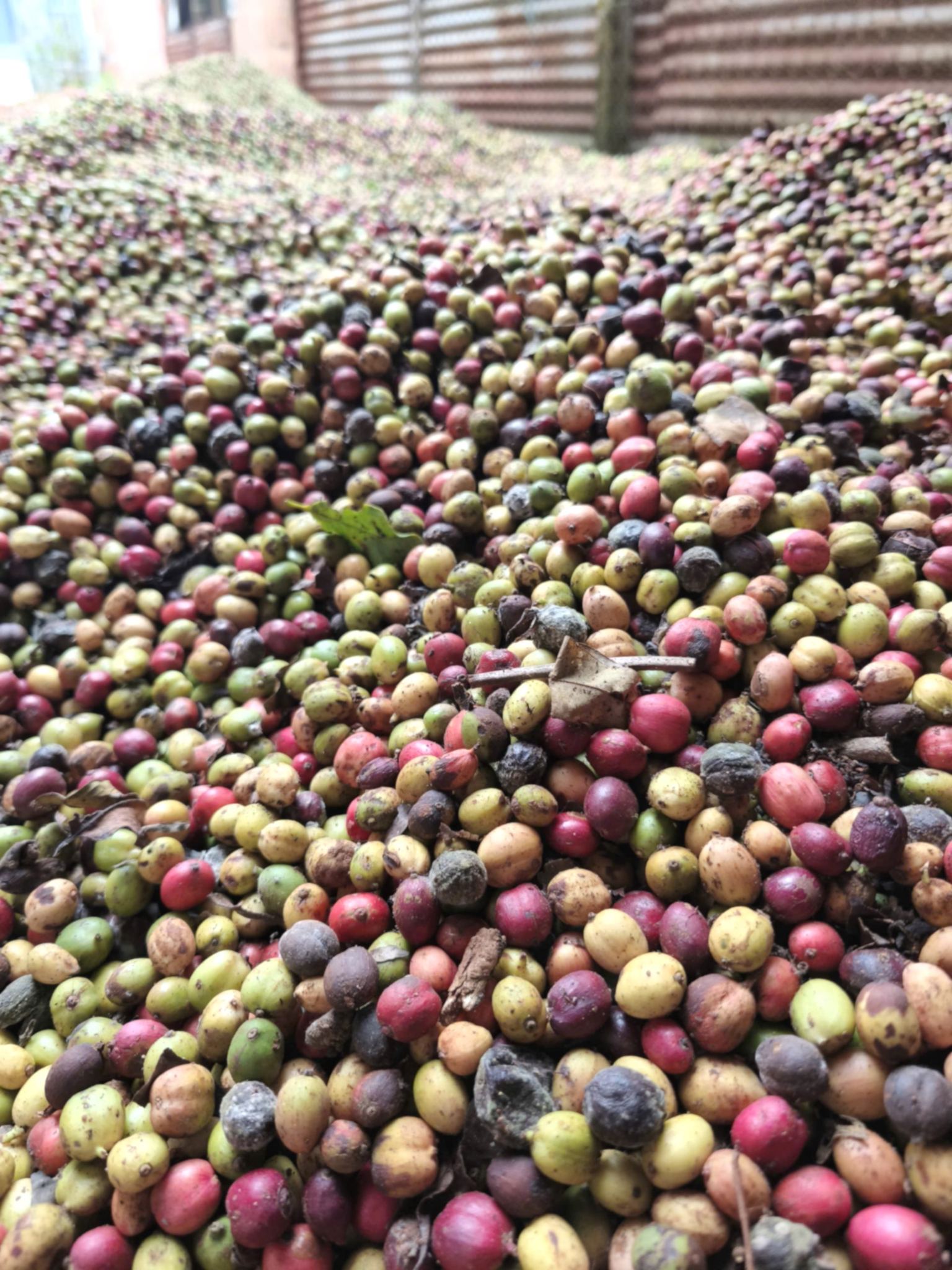
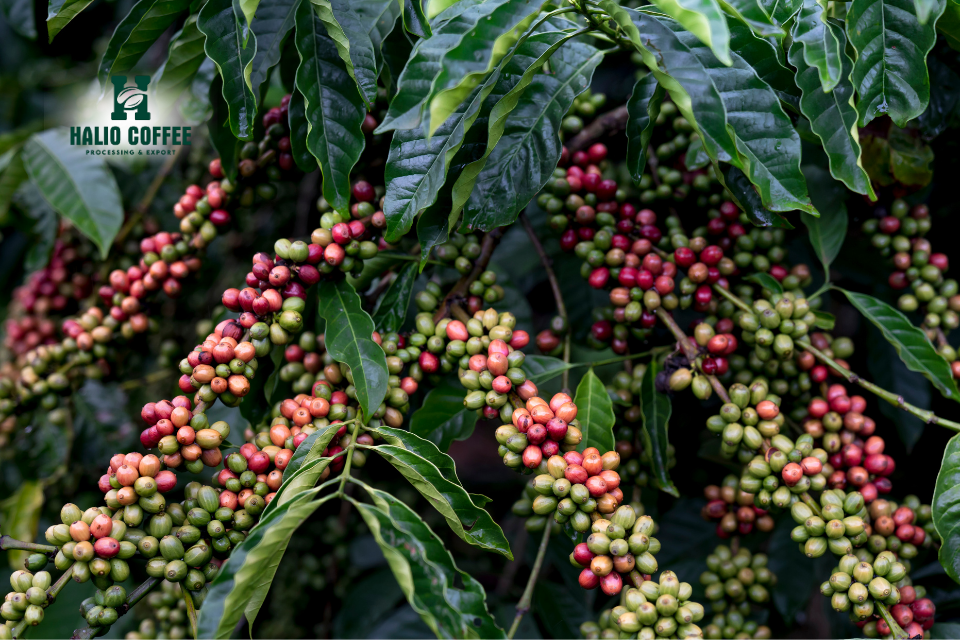
In our journey through the coffee value chain, we have explored the product’s identity as the green bean coffee and the alchemical role of the green bean roaster. But roasters do not conjure coffee from thin air. They rely on a sophisticated, global network of production. This network is anchored by the entities that transform a cherry on a tree into a shippable commodity: the green coffee beans manufacturers.
The term “manufacturer” might seem unusual in agriculture. We often say “farmers.” But in the modern coffee trade, a farmer grows fruit; a green coffee beans manufacturer produces an industrial ingredient.
These are the large-scale cooperatives, the private mills, and the vertically integrated exporters like Halio Coffee Co., Ltd who bridge the gap between agronomy and logistics. They are the ones who hull, polish, sort, grade, and pack the millions of bags that fuel the global industry.
For the B2B buyer, understanding the difference between a “farmer” and a “manufacturer” is critical. It defines your contract, your quality assurance, and your supply security. This guide is your expert manual for navigating this landscape. We will dissect the operations of these manufacturers, explore the specific value-added processes they control (like “Wet Polishing”), and provide a framework for vetting them as long-term partners.
Defining the Manufacturer: The Transformation Engine
What does a green coffee beans manufacturer actually do? They are the “middle-mile” of the supply chain. Their role is to standardize nature.
1. Aggregation (The Scale Factor)
A typical Vietnamese smallholder farm is 1-2 hectares, producing perhaps 3-5 tons of coffee. A single export container holds 19.2 tons.
- The Manufacturer’s Role: They aggregate the output of hundreds, sometimes thousands, of small farmers. They provide the liquidity and infrastructure to turn fragmented micro-crops into tradeable macro-lots.
2. Processing (The Quality Definition)
This is the manufacturing step. The manufacturer controls the machinery that defines the bean’s final form.
- Wet Milling: For Arabica, they operate the depulpers and fermentation tanks.
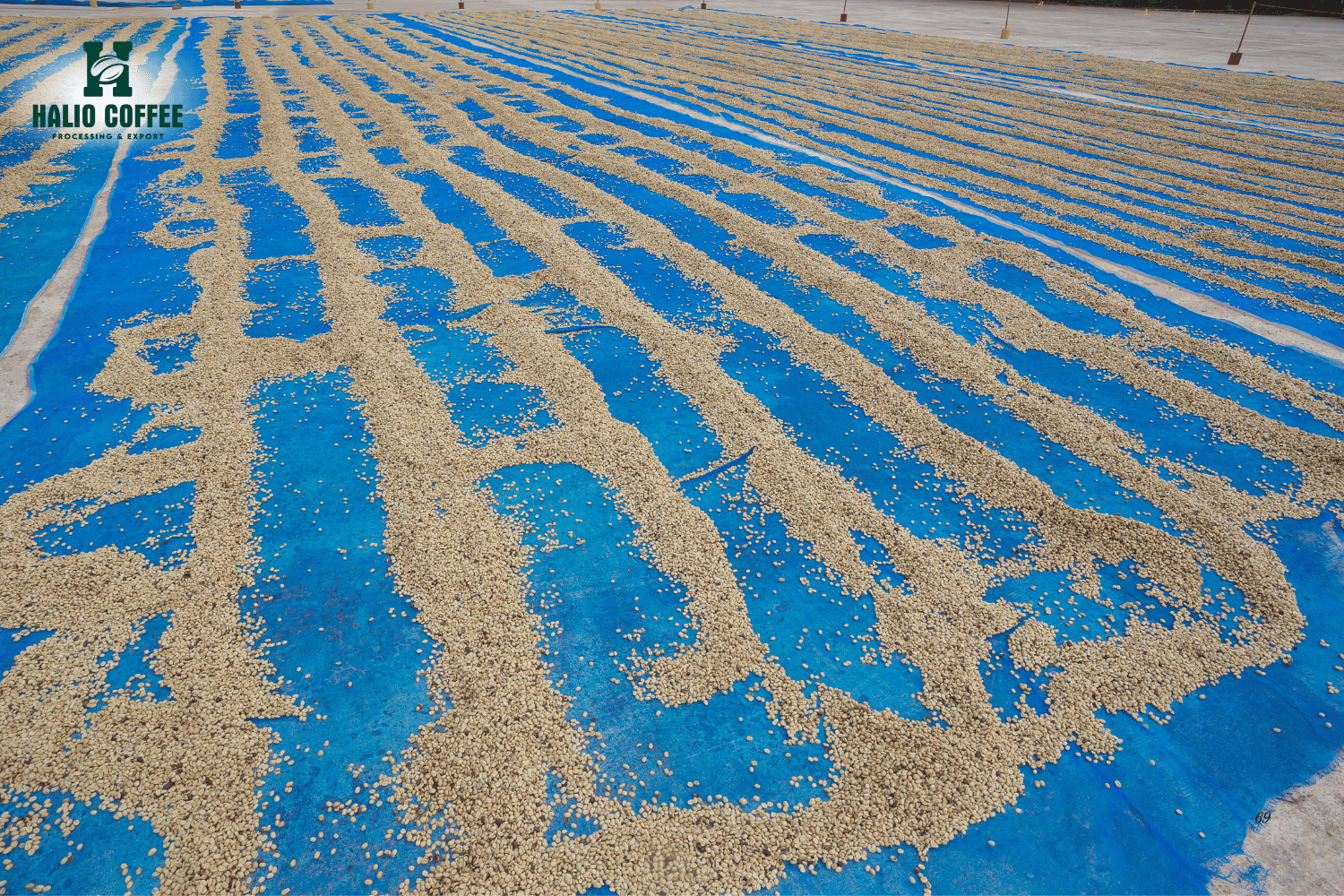
- Dry Milling: For all coffee, they operate the hullers (removing the parchment/husk), polishers, and gravity tables.
- Sorting: This is the critical value-add. A manufacturer uses optical color sorters to remove black beans, ensuring the lot meets
Grade 1specs. A farmer cannot do this by hand at scale.
3. Standardization (The Consistency Promise)
A roaster needs consistency. They need “Screen 18 Robusta” to roast the same way in January as it does in June.
- The Manufacturer’s Role: They blend and homogenize diverse farm lots to create a consistent “Export Grade” that matches the physical and sensory profile contracted by the buyer.
The Vietnamese Model: A Case Study in Manufacturing Excellence
Vietnam is the perfect case study for coffee manufacturing. The industry here has evolved from simple trading to sophisticated, value-added production.
The Vertically Integrated Manufacturer
The gold standard for a partner is the vertically integrated manufacturer. This is a company that does not just buy green beans; they buy cherries and manage the entire process.
Halio Coffee Co., Ltd is a prime example of this model in action.
- Location: Based in Dak Lak (the Robusta capital), they are physically located in the raw material zone.
- Capability: They don’t just sell “Robusta.” They manufacture specific, process-driven products:
Robusta Wet Polished: This is a manufactured product. It requires specific machinery to friction-clean the beans.Robusta Clean: This is a high-spec product sorted for “bold intensity” and “exceptional cleanliness”.Honey Processed: This requires control over the drying phase to manage mucilage.
By controlling the manufacturing steps, a partner like Halio can offer a level of traceability and customization that a simple trader cannot.
The “Value-Added” Menu: What Manufacturers Can Do for You
When you partner with a green coffee beans manufacturer, you are not just buying a commodity. You can buy services. A professional manufacturer offers a menu of value-added options that can save you money and improve your product.
1. Custom Sorting and Screening
You don’t have to buy standard “Screen 16.” You can contract a manufacturer to produce a custom “Screen 18+ only” lot, or a specific “Peaberry” separation.
- Why do it: Uniformity improves roast consistency and visual appeal for whole-bean retail.
2. Polishing
As seen with Halio’s Robusta Wet Polished, polishing removes the silver skin.
- Why do it: It reduces the chaff in your roaster (reducing fire risk and cleaning time) and removes the bitter, woody “skin” flavor from the cup.
3. Electronic Color Sorting
This is the ultimate cleaning step. High-speed cameras reject any bean that isn’t the perfect color.
- Why do it: It guarantees a
Black beans: max 0.1%standard, ensuring a clean cup even for high-volume commercial blends.
4. Private Label Packaging (At Source)
Some manufacturers, like Halio, are equipped to roast and pack finished goods.
- Why do it: As we discussed in the “Private Label” guide, manufacturing finished goods in Vietnam leverages lower labor and energy costs, offering a significant margin advantage.
Vetting a Manufacturer: The “Factory Audit” Checklist
You are not visiting a farm; you are visiting a factory. Your vetting checklist for a green coffee beans manufacturer must focus on industrial competence.
1. The Machinery Audit
- Question: “What brand of color sorter do you use?” (Bühler and Sortex are top tier).
- Question: “Do you have a density table?” (Essential for separating stones and light beans).
- Why: You cannot manufacture
High Qualitycoffee with primitive equipment.
2. The Capacity Audit
- Question: “What is your daily milling capacity in metric tons?”
- Why: You need to know if they can handle your volume during the peak harvest rush without cutting corners on quality.
3. The Storage Audit
- Question: “How do you store parchment vs. green coffee?”
- Why: Parchment is stable; green coffee fades. A good manufacturer stores in parchment and mills “just in time” for shipment.
4. The Certification Audit
- Question: “Are you HACCP or ISO certified?”
- Why: A manufacturer is a food processor. They must have food safety systems in place to prevent contamination (lubricants, glass, metal) during the milling process.
Red Flags: Signs of a “Fake” Manufacturer
- 🚩 No Mill: The supplier claims to be a manufacturer but when you visit, they take you to a warehouse where they are just re-bagging coffee bought from someone else. This is a trader, not a manufacturer.
- 🚩 “Everything is Grade 1”: A real manufacturer produces Grade 1, Grade 2, and “off-grades” (the rejects). If they claim they only have Grade 1, they are likely blending rejects back in.
- 🚩 Dirty Facility: Dust is explosive. A dirty mill is a dangerous mill. It also indicates poor process control.
Conclusion: The Strategic Partnership
A green coffee beans manufacturer is the engine of your supply chain. They are the ones who take the potential of the farm and turn it into the reliability of a product.
By partnering with a transparent, capable manufacturer like Halio Coffee, you gain access to the “source code” of quality. You gain the ability to customize your specs, control your costs, and secure your supply.
But manufacturers move bulk. They ship containers. What if you need that coffee broken down, stored in your country, and delivered to your door on a pallet next Tuesday? For that, you need the final link in the chain. You need the logistics experts who bridge the ocean.
You need to understand the role of green coffee bean distributors.
- Why Partnering with HACCP Certified Coffee Suppliers in Vietnam is Non-Negotiable
- The Gatekeepers of Supply: Navigating the Landscape of Green Coffee Bean Exporters in 2026
- Coffee Prices Today, October 7th: Quiet Trading as Market Awaits US-Brazil Tariff Talks
- Green Coffee Beans Price Vietnam: Market Trends, Pricing Factors & Forecast
- A 2026 Strategic Analysis of the Vietnam Coffee Price